
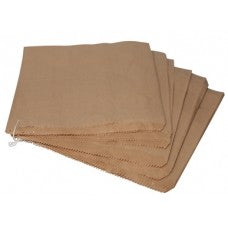
Bags / Paper Bags / Brown Bags - Strung
-
19x21 - Brown Strung Paper BagsRegular price From £49.82 GBPRegular priceUnit price per
-
7x11x15 - Brown Strung Paper BagsRegular price From £22.40 GBPRegular priceUnit price per
-
14x18 - Brown Strung Paper BagsRegular price From £30.98 GBPRegular priceUnit price per
-
13x14 - Brown Strung Paper BagsRegular price From £19.88 GBPRegular priceUnit price per
-
10x14 - Brown Strung Paper BagsRegular price From £32.08 GBPRegular priceUnit price per
-
7x9 - Brown Strung Paper BagsRegular price From £16.43 GBPRegular priceUnit price per
-
12x12 - Brown Strung Paper BagsRegular price From £16.36 GBPRegular priceUnit price per
-
10x10 - Brown Strung Paper BagsRegular price From £21.27 GBPRegular priceUnit price per
-
8.5x8.5 - Brown Strung Paper BagsRegular price From £17.81 GBPRegular priceUnit price per
-
7x7 - Brown Strung Paper BagsRegular price From £12.99 GBPRegular priceUnit price per


Bags / Paper Bags / Brown Bags - Strung
| Product Code | Description |
| 01B01 | 7x7 - Brown Strung Paper Bags |
| 01B02 | 8.5x8.5 - Brown Strung Paper Bags |
| 01B03 | 10x10 - Brown Strung Paper Bags |
| 01B04 | 12x12 - Brown Strung Paper Bags |
| 01B07 | 7x9 - Brown Strung Paper Bags |
| 01B10 | 10x14 - Brown Strung Paper Bags |
| 01B13 | 13x14 - Brown Strung Paper Bags |
| 01B14 | 14x18 - Brown Strung Paper Bags |
| 01B19 | 19x21 - Brown Strung Paper Bags |
| 01B15 | 7x11x15 - Brown Strung Paper Bags |
Brown Strung Paper Bags (Kraft) — Overview
Brown strung paper bags are kraft paper merchandise bags designed for simple, secure closure using an integrated string tie. They’re commonly chosen when you need a neat presentation, quick packing, and a closure that helps keep contents contained during handling. In this collection you’ll find a range of flat bag sizes (measured as width × height) plus a gusseted option (measured as width × gusset × height) for bulkier items.
Because these bags are paper-based, they’re often used for light-to-medium duty retail and takeaway applications where breathability and easy labeling matter. Typical uses include bakery items, confectionery, small gifts, hardware parts, apparel accessories, and general merchandise. The string closure can also help reduce accidental spills compared with open-top paper bags, especially for small items.
Brown Strung Paper Bags — Helpful Guide
1) Flat strung paper bags (width × height)
Flat bags are ideal for items that don’t require extra depth. Choose these when your product is relatively slim (for example: cookies in a sleeve, small boxed items, accessories, or stacked flat goods). The sizes below are listed as they appear in this category; select the closest fit that allows comfortable loading and tying.
-
7x7 - Brown Strung Paper Bags
Compact square format for small items, samples, or small confectionery packs. -
8.5x8.5 - Brown Strung Paper Bags
Slightly larger square bag for small boxed goods, cookies, or gift items. -
10x10 - Brown Strung Paper Bags
Versatile square size for medium small merchandise and bundled items. -
12x12 - Brown Strung Paper Bags
Roomier square option for larger flat items or multiple smaller packs. -
7x9 - Brown Strung Paper Bags
Compact rectangular size for narrow items, small bakery packs, or accessories. -
10x14 - Brown Strung Paper Bags
Popular rectangular format for larger bakery boxes, apparel accessories, or mixed items. -
13x14 - Brown Strung Paper Bags
Wider rectangular bag for bulkier flat packs and larger retail items. -
14x18 - Brown Strung Paper Bags
Large flat bag for oversized flat goods, multiple packs, or larger gift items. -
19x21 - Brown Strung Paper Bags
Extra-large flat bag for big, lightweight items that still don’t need gusset depth.
2) Gusseted strung paper bags (width × gusset × height)
Gusseted bags add depth, helping the bag stand and accommodate wider or irregular items. If you’re packing multiple items together, or anything that needs extra capacity (for example: takeaway food containers, larger bakery packs, or mixed retail orders), a gusseted size can load more easily and reduce stress on the paper during tying.
-
7x11x15 - Brown Strung Paper Bags
Gusseted capacity for bulkier contents; the added depth improves loading and stability.
Case Study: Reducing Small-Item Loss During Handling
A common issue with open-top paper bags is small items shifting or falling out during transport—especially when orders include multiple small components (e.g., fasteners, small parts, accessories, or confectionery packs). Switching to a strung paper bag format can help because the string tie provides a simple closure step at the end of packing. In practice, teams often find that a consistent “fill → fold/tuck → tie” routine reduces re-picks and improves order integrity without adding complex packaging materials.
For best results, match the bag size to the contents so there’s enough headspace to tie securely without crushing the product. If the bag is too large, items can rattle; if it’s too small, tying becomes difficult and may stress the paper at the top edge.
How to Choose the Correct Brown Strung Paper Bag
Step 1: Identify the item profile (flat vs bulky)
If your product is mostly flat, start with a flat size (width × height). If it has depth, irregular shape, or you’re combining multiple items, consider the gusseted option (width × gusset × height) to make loading easier and reduce tearing risk.
Step 2: Measure for a practical fit
- Width: Measure the widest face of the item (or the combined width of a bundle) and allow clearance for easy insertion.
- Height: Ensure there’s enough height above the product to fold/tuck and tie the string without compressing contents.
- Gusset (if applicable): For items with depth, choose a gusset that accommodates the thickest point comfortably.
As a rule of thumb, leaving a little extra space at the top improves tying and reduces strain on the paper. Overfilling can cause the top edge to deform, making the closure less secure.
Step 3: Consider handling and transport
Think about how the bag will be carried and whether it will be placed inside another outer bag or carton. Strung paper bags are often used as an inner pack for organization (keeping sets together) or as a primary pack for lightweight goods. If items are heavy or have sharp edges, consider additional protection (wrapping, inner sleeves, or cushioning) to prevent punctures.
Step 4: Plan for labeling and presentation
Kraft paper surfaces are typically easy to label with stickers, stamps, or handwriting. If you need quick identification (SKU, order number, contents), choose a bag size that leaves a clear flat area for labeling. For food-related uses, ensure your labeling and handling practices align with your local requirements and the intended contact conditions.
Best Practices for Packing and Tying
- Don’t overfill: Leave enough headspace to fold or pinch the top before tying.
- Distribute weight: Center heavier items and avoid concentrating weight at one corner.
- Protect sharp edges: Wrap corners or use an inner sleeve to reduce puncture risk.
- Use a consistent tie method: A repeatable tying routine improves closure reliability and packing speed.
- Store bags properly: Keep paper bags dry and flat to prevent warping and maintain clean presentation.
Common Applications
- Retail merchandise: Accessories, small apparel items, cosmetics, and giftware.
- Bakery and confectionery: Cookies, pastries (with appropriate inner wrap), and boxed treats.
- Parts and components: Hardware, craft supplies, and small kits that benefit from a tied closure.
- Organization and storage: Sorting items for inventory, events, or back-of-house preparation.
Questions & Answers
What does “strung” mean on a paper bag?
“Strung” typically refers to a paper bag that includes an attached string used to tie the top closed. After filling the bag, you gather or fold the top area and wrap the string to secure it, helping keep contents contained during handling.
How are the bag sizes measured in this category?
Most sizes are listed as width × height (for flat bags). One size is listed as width × gusset × height, which indicates a bag with added depth. Measuring your product’s width, height, and thickness helps you choose a size that loads easily and ties securely.
When should I choose a gusseted strung paper bag instead of a flat one?
Choose a gusseted bag when your items have noticeable depth, irregular shapes, or when you’re packing multiple items together. The gusset adds capacity and can make loading easier, while reducing stress on the paper compared with forcing bulky items into a flat bag.
Are brown kraft strung paper bags suitable for food items?
They’re commonly used for bakery and takeaway applications, especially when items are wrapped or placed in an inner liner. Suitability depends on the specific food-contact requirements for your use case. If direct contact is intended, confirm the appropriate specifications and handling practices.
How can I reduce tearing or punctures when packing?
Match the bag size to the contents, avoid overfilling, and distribute weight evenly. For sharp corners or abrasive items, add an inner wrap or sleeve. Leaving headspace at the top also helps you tie the string without pulling hard on the paper edge.