
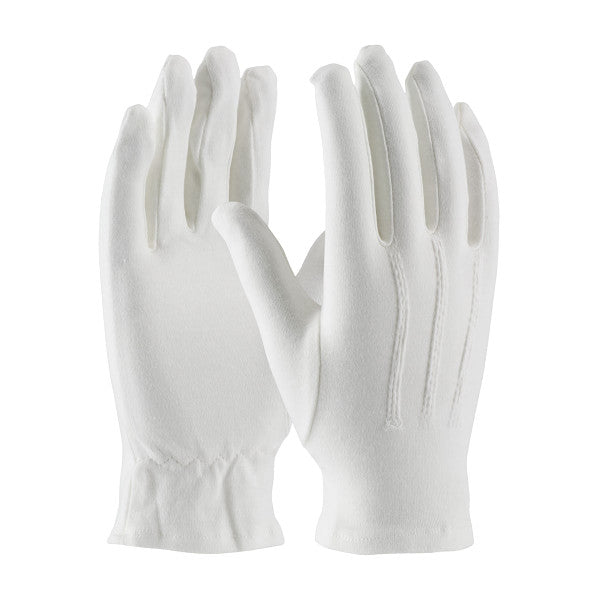
Safety / PPE & Clothing / Cotton Gloves
-
Large - Cotton Micro-dotted GlovesRegular price From £46.83 GBPRegular priceUnit price per
-
Medium - Cotton Micro-dotted GlovesRegular price From £46.83 GBPRegular priceUnit price per
-
Mens - Cotton Low-Lint GlovesRegular price From £1.05 GBPRegular priceUnit price per
-
Ladies - Cotton Low-Lint GlovesRegular price From £1.05 GBPRegular priceUnit price per


Safety / PPE & Clothing / Cotton Gloves
Cotton Gloves for Light-Duty Handling & Inspection
Cotton gloves are a practical choice when you need a breathable, comfortable barrier between hands and the items you handle. They are commonly used for light-duty tasks such as product inspection, parts handling, packaging and kitting, light assembly, and general warehouse work where you want to reduce fingerprints, skin oils, and minor surface contact. Cotton also helps absorb perspiration, which can improve comfort during extended wear.
This collection focuses on cotton glove styles designed for clean handling and improved control: low-lint cotton gloves for reduced fiber shedding and micro-dotted cotton gloves for added grip. Use the guide below to match glove style and size to your task.
Cotton Gloves — Helpful Guide
1) Micro-dotted cotton gloves (added grip)
Micro-dotted cotton gloves combine a soft cotton knit with small grip dots (often PVC) on the palm and/or fingers. The dots increase friction so you can hold smooth or slightly slippery items more securely than with plain cotton. This style is useful for light picking/packing, handling cartons or polybags, moving small components, and tasks where you want better control without switching to heavier coated work gloves.
- Medium - Cotton Micro-dotted Gloves — Cotton glove with micro-dot grip pattern to improve handling control for light-duty work.
- Large - Cotton Micro-dotted Gloves — Same micro-dotted grip style in a larger fit for broader hands or users who prefer more room.
2) Low-lint cotton gloves (clean handling)
Low-lint cotton gloves are designed to reduce loose fibers compared with standard cotton gloves. They are a good fit for inspection and handling of items where visible lint is a concern, such as finished goods, coated parts, polished surfaces, printed materials, and general clean handling. While “low-lint” does not mean “lint-free,” it can meaningfully reduce fiber transfer in many everyday workflows.
- Ladies - Cotton Low-Lint Gloves — Low-lint cotton glove sized for a smaller hand profile to support a closer, more precise fit.
- Mens - Cotton Low-Lint Gloves — Low-lint cotton glove sized for a larger hand profile for comfortable wear during inspection and handling.
Case Study: Reducing Rework in a Packing & Inspection Station
Consider a small packing line that handles glossy finished parts before bagging and boxing. Operators notice two recurring issues: fingerprints on surfaces and occasional slips when transferring parts from a tote to the packing bench. Switching to low-lint cotton gloves can reduce visible fiber transfer and help limit fingerprints during inspection. For steps where grip is the main challenge (lifting smooth items, opening polybags, or moving parts quickly), micro-dotted cotton gloves can improve control and reduce drops. In practice, many teams keep both styles available and standardize which step uses which glove to maintain consistency.
How to Choose the Right Cotton Gloves
Step 1: Decide whether cleanliness or grip is the priority
- Choose low-lint cotton gloves when you want reduced fiber shedding for cleaner handling and inspection.
- Choose micro-dotted cotton gloves when you need extra traction for handling smooth items or when plain cotton feels too slick.
Step 2: Select the best size for control and comfort
Fit affects dexterity. Gloves that are too large can bunch at the fingertips and reduce control; gloves that are too small can feel tight and fatigue the hand. If you are between sizes, consider how you will use them: a snugger fit often improves precision for inspection, while a slightly roomier fit can feel better for longer wear.
A practical sizing approach is to measure hand circumference around the knuckles (excluding the thumb) and hand length from the wrist crease to the tip of the middle finger, then choose the closest size option available. Because sizing can vary by pattern and knit, it can help to trial a small quantity for each user group before standardizing.
Step 3: Match glove style to the surface you handle
- Smooth, glossy, or polished items: low-lint cotton gloves help reduce visible transfer and keep handling cleaner.
- Cartons, polybags, and general warehouse items: micro-dotted cotton gloves can improve grip and reduce slips.
- Mixed tasks: keep both styles available and assign them by station (inspection vs. packing) to reduce variability.
Step 4: Consider workflow and change frequency
In many facilities, gloves are changed when they become visibly soiled, lose grip, or begin to snag. Establishing a simple replacement rule (for example, change at breaks or when contamination is observed) can help maintain consistent handling quality. If gloves are used in areas with adhesives, inks, or oils, plan for more frequent changes.
Best Practices for Use & Care
Putting gloves on and taking them off
- Start with clean, dry hands to reduce moisture buildup and improve comfort.
- Pull gloves on gently to avoid overstretching seams and fingertips.
- Remove by peeling from the cuff to reduce stress on the knit and help gloves keep their shape.
Keeping handling clean
- Use a dedicated pair for clean handling tasks; avoid switching between dirty and clean areas with the same gloves.
- If you handle dusty cartons, consider using micro-dotted gloves for that step and switching to low-lint gloves for final inspection.
- Store spare gloves in a clean, closed container near the workstation to reduce dust pickup.
Limitations to understand
- Cotton gloves are intended for light-duty handling and comfort; they are not designed for chemical resistance or high cut protection.
- Low-lint cotton reduces shedding compared with standard cotton, but it is not the same as a fully lint-free cleanroom glove.
- Grip dots improve traction, but they can wear over time depending on the surfaces handled and the frequency of use.
Common Applications
- Inspection and quality checks: reduce fingerprints and improve handling consistency.
- Packaging and kitting: comfortable wear for repetitive tasks and light protection from abrasion.
- Light assembly: improved comfort and reduced skin contact with parts.
- General warehouse handling: micro-dotted styles can help with grip during picking and packing.
Questions & Answers
What is the difference between low-lint cotton gloves and standard cotton gloves?
Low-lint cotton gloves are made or finished to reduce loose fibers compared with standard cotton gloves. They help minimize visible lint transfer during handling and inspection. They are not completely lint-free, but they can improve cleanliness for many everyday tasks.
When should I choose micro-dotted cotton gloves instead of plain cotton?
Choose micro-dotted cotton gloves when you need better grip on smooth or slightly slippery items. The small dots increase friction on the palm and fingers, which can reduce drops and improve control during picking, packing, and light handling tasks.
How do I pick the right glove size for inspection work?
For inspection, a snug fit usually improves fingertip control and reduces bunching. Measure hand circumference around the knuckles and hand length to the middle fingertip, then select the closest size. If between sizes, choose based on comfort versus precision needs.
Do cotton gloves protect against chemicals or cuts?
Cotton gloves are primarily for comfort, light abrasion reduction, and cleaner handling. They generally do not provide chemical resistance and offer limited cut protection compared with specialized gloves. For chemical exposure or sharp edges, use gloves designed and rated for those hazards.
How often should cotton gloves be replaced in a packing or inspection station?
Replace cotton gloves when they become visibly dirty, lose grip, snag, or start shedding more fibers. Many operations set simple rules such as changing at breaks or when contamination is observed. Higher-dirt tasks typically require more frequent changes than clean handling.