
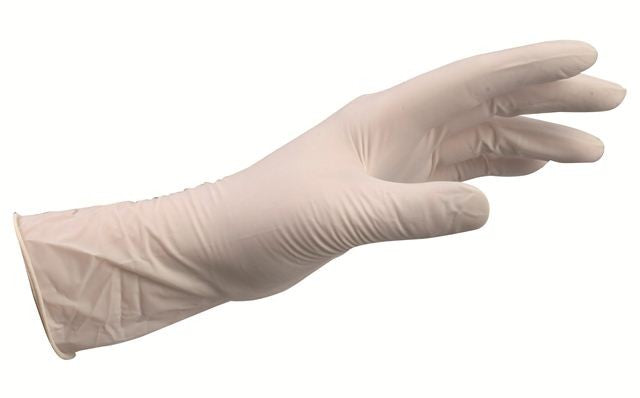
Safety / PPE & Clothing / PVC Gloves (Vinyl)
-
Medium - Cream P.V.C GlovesRegular price From £3.04 GBPRegular priceUnit price per
-
Small - Cream P.V.C GlovesRegular price From £4.47 GBPRegular priceUnit price per
-
Large - Blue Powder Free P.V.C GlovesRegular price From £0.05 GBPRegular priceUnit price per
-
Large - Cream P.V.C Powder Free GlovesRegular price From £3.89 GBPRegular priceUnit price per
-
Medium - Cream P.V.C Powder Free GlovesRegular price From £3.89 GBPRegular priceUnit price per
-
Small - Cream P.V.C Powder Free GlovesRegular price From £3.89 GBPRegular priceUnit price per
-
Ex. Large - Blue P.V.C GlovesRegular price From £3.73 GBPRegular priceUnit price per
-
Large - Blue P.V.C GlovesRegular price From £3.73 GBPRegular priceUnit price per
-
Medium - Blue Powder Free P.V.C GlovesRegular price From £3.98 GBPRegular priceUnit price per


Safety / PPE & Clothing / PVC Gloves (Vinyl)
PVC (Vinyl) Disposable Gloves for Everyday Barrier Protection
PVC (often called vinyl) disposable gloves are a practical choice for tasks that need a clean, single-use barrier and quick glove changes. They are commonly selected for light-duty work where comfort, convenience, and latex-free materials matter. This collection includes cream and blue PVC gloves in multiple sizes, including powder-free options for cleaner handling.
PVC Gloves (Vinyl) — Helpful Guide
Use this guide to understand the glove types in this category, what they are best suited for, and how to match the right size and finish (powder-free vs. standard) to your workflow.
1) Standard PVC (Vinyl) Gloves
Standard PVC gloves are designed for general-purpose, short-duration tasks. They are typically easier to change frequently and are often used where a basic barrier is needed without the higher elasticity of nitrile or latex.
-
Small - Cream P.V.C Gloves
General-purpose disposable PVC glove in a smaller fit for lighter hands and better control during quick tasks. -
Medium - Cream P.V.C Gloves
Everyday PVC glove size for many users; suitable for routine handling where frequent glove changes are expected. -
Large - Blue P.V.C Gloves
Roomier PVC glove for larger hands; blue color can help with visibility in many work environments. -
Ex. Large - Blue P.V.C Gloves
Extra-large PVC glove for users who need more hand width and comfort during repeated donning and doffing.
2) Powder-Free PVC (Vinyl) Gloves
Powder-free PVC gloves avoid interior donning powder, which helps reduce residue on hands, tools, and surfaces. Powder-free gloves are often preferred for cleaner handling routines and for users who want to minimize powder-related irritation or transfer.
-
Small - Cream P.V.C Powder Free Gloves
Powder-free PVC glove in a small size for a cleaner feel and reduced residue transfer during handling. -
Medium - Cream P.V.C Powder Free Gloves
Powder-free medium PVC glove for general handling where cleanliness and frequent glove changes are important. -
Large - Cream P.V.C Powder Free Gloves
Powder-free large PVC glove for users who want a roomier fit while keeping residue to a minimum. -
Large - Blue Powder Free P.V.C Gloves
Powder-free blue PVC glove in large size; useful when color visibility is preferred alongside reduced powder residue.
Where PVC (Vinyl) Gloves Fit Best
PVC gloves are widely used for light-duty, short-contact tasks where a disposable barrier is helpful. Typical applications include:
- Food handling and service: quick prep steps, portioning, and ready-to-serve handling where frequent glove changes are part of hygiene practice.
- Cleaning and janitorial work: light cleaning with mild detergents and routine wipe-down tasks.
- General workplace hygiene: reception areas, light assembly, sorting, and other non-hazard tasks where hands should stay clean.
- Caregiving and non-sterile tasks: basic barrier use where sterile surgical performance is not required.
Important: glove suitability depends on the specific task and exposure. For higher-risk work (sharps, heavy abrasion, prolonged wear, or meaningful chemical exposure), a more protective glove material may be required.
PVC (Vinyl) vs. Nitrile vs. Latex: Practical Differences
Choosing glove material is mostly about matching the barrier and durability to the job:
- PVC (vinyl): convenient for short, low-risk tasks and frequent changes; typically less elastic and less form-fitting than other materials.
- Nitrile: generally stronger and more puncture-resistant for demanding tasks; often preferred when durability and a secure fit matter.
- Latex: very elastic with excellent fit and dexterity, but may not be suitable for users with latex sensitivity.
If your work involves repetitive motion, tight gripping, or higher puncture risk, consider whether a more elastic, higher-strength glove type is needed. PVC gloves are often selected when the priority is quick changes and basic barrier protection.
Powder-Free vs. Standard: How to Decide
Both finishes can be useful, but they serve different preferences and workflows:
- Powder-free: helps reduce residue transfer to hands, tools, and surfaces; often preferred for cleaner handling routines.
- Standard (non powder-free): may be chosen for general tasks where residue transfer is not a concern and users prioritize simple, everyday glove use.
In hygiene-sensitive environments, powder-free gloves are commonly selected to minimize visible residue and reduce the chance of powder-related irritation.
How to Choose the Correct Size
Correct sizing improves comfort and reduces the chance of tearing during donning. A glove that is too small can feel tight and may split; a glove that is too large can reduce dexterity and make it harder to grip.
How to measure: measure across the widest part of your palm (below the knuckles), not including the thumb. Then choose the closest size.
- Small (S): about 3.0–3.5 in (7.6–8.9 cm) palm width
- Medium (M): about 3.5–4.0 in (8.9–10.2 cm) palm width
- Large (L): about 4.0–4.5 in (10.2–11.4 cm) palm width
- Extra Large (XL): about 4.5–5.0 in (11.4–12.7 cm) palm width
If you are between sizes, choose the smaller size for a closer fit and better control, or the larger size for easier on/off and comfort during frequent changes.
Case Study: Reducing Cross-Contamination in a High-Turnover Prep Area
A busy prep station often involves switching between tasks (handling packaging, touching equipment controls, portioning ingredients, and wiping surfaces). The biggest hygiene gains usually come from a simple routine: choose a comfortable glove size, keep glove boxes within reach, and change gloves at every task change. Powder-free PVC gloves can help reduce residue transfer to utensils and surfaces, while consistent glove-change habits help limit cross-contact between tasks.
In practice, the station improved consistency by standardizing sizes (S, M, L, XL) for staff, placing gloves at each work zone, and using a clear rule: change gloves after touching non-food-contact surfaces, after cleaning steps, and whenever gloves become torn or heavily soiled.
How to Choose the Right PVC Gloves for Your Task
- Choose powder-free when residue transfer matters (clean handling routines, frequent surface contact, or when you want a cleaner feel).
- Choose blue when higher visibility is helpful for quick checks during work.
- Choose cream when you prefer a neutral appearance for general-purpose tasks.
- Choose the correct size to reduce tearing during donning and to maintain control during handling.
- Plan for frequent changes—PVC gloves are often most effective when used as a single-use barrier with regular replacement.
Limitations and Safety Notes
PVC (vinyl) disposable gloves are best treated as a light-duty barrier. They are generally less elastic and may have lower puncture/tear resistance than nitrile or latex. For tasks involving sharps, heavy abrasion, prolonged wear, or significant chemical exposure, select a glove designed and rated for those hazards and follow your workplace safety guidance.
For chemical handling, do not assume protection based on feel alone—some chemicals can permeate glove materials without obvious damage. When chemical exposure is possible, consult a chemical compatibility chart and choose a glove material appropriate for the specific substance, concentration, and contact time.
PVC (Vinyl) Gloves Q&A
Are PVC (vinyl) gloves suitable for food handling?
PVC gloves are commonly used for short, low-risk food handling tasks when frequent glove changes are practiced. Powder-free options help reduce residue transfer. Always confirm the gloves are intended for food contact and follow hygiene procedures to prevent cross-contamination.
What is the difference between powder-free and standard PVC gloves?
Powder-free gloves do not use interior donning powder, which helps reduce residue on hands, tools, and surfaces. Standard gloves may be chosen for general tasks where residue is not a concern. Selection depends on cleanliness needs and user preference.
How do I choose the right glove size?
Measure across the widest part of your palm below the knuckles, excluding the thumb, then match to the closest size. A snug fit improves control, while a slightly larger size can be easier to put on. Avoid overly tight gloves that may tear.
Are vinyl gloves as durable as nitrile gloves?
Vinyl gloves are typically less elastic and may have lower tear and puncture resistance than nitrile. They are often best for short-duration, light-duty tasks with frequent changes. For higher-risk work or longer wear, a stronger glove material may be needed.
Do PVC gloves protect against cleaning chemicals?
PVC gloves can be acceptable for brief contact with mild detergents and light cleaners, but they are not a reliable choice for strong chemicals or solvents. Chemical protection depends on the specific substance and exposure time, so consult compatibility guidance when needed.