
Branding / Tags / Tagger Gun & Attachments
-
 Sold outLynx Tex Mk11 - Tagger GunRegular price From £17.10 GBPRegular priceUnit price per
 -
 Sold outRegular - Tagger Gun NeedlesRegular price From £1.83 GBPRegular priceUnit price per
 -
 Sold outHeavy Duty - Tagger Gun NeedlesRegular price From £21.84 GBPRegular priceUnit price per
 -
 Sold outArrow 9S - Preimium Tagger GunRegular price From £10.09 GBPRegular priceUnit price per
 -
 Sold outArrow 9S - Fine Tagger GunRegular price From £26.52 GBPRegular priceUnit price per
 -
 Sold out65mm - AttachmentsRegular price From £0.00 GBPRegular priceUnit price per
 -
 Sold out50mm - Fine AttachmentsRegular price From £14.70 GBPRegular priceUnit price per
 -
 Sold out40mm - AttachmentsRegular price From £0.00 GBPRegular priceUnit price per
 -
 Sold out35mm - Hook PinRegular price £0.00 GBPRegular priceUnit price per
 -
 Sold out25mm - Fine AttachmentsRegular price From £14.70 GBPRegular priceUnit price per
 -
 Sold out25mm - AttachmentsRegular price From £8.01 GBPRegular priceUnit price per
 -
 Sold out20mm - AttachmentsRegular price From £9.87 GBPRegular priceUnit price per
 -
 Sold out19mm - Hook PinsRegular price From £35.70 GBPRegular priceUnit price per
 -
 Sold out15mm - AttachmentsRegular price From £9.87 GBPRegular priceUnit price per
 -
 Sold out125mm - AttachmentsRegular price £0.00 GBPRegular priceUnit price per


Branding / Tags / Tagger Gun & Attachments
Tagger Guns & Attachments for Swing Tags (Plastic Fasteners) — Overview
Tagger guns and plastic attachments (also called tag fasteners or barbs) are widely used to attach swing tags to garments, soft goods, and many retail items. A handheld tagger gun pushes a fastener through a tag and the product material, leaving a neat, consistent attachment point that helps with identification, pricing, size information, and stock control. This collection brings together tagger guns, replacement needles, and a range of attachment lengths so you can match the fastening method to the product thickness and the look you want.
On this page you’ll find two tagger gun options plus the consumables that keep them working: replacement needles and plastic attachments in multiple lengths. Choosing the right combination reduces misfires, prevents unnecessary holes or snags, and improves speed at the packing bench or on the shop floor.
Tagger Gun & Attachments — Helpful Guide
This guide explains the main types in this category and how to select them. It also links directly to the products listed in this collection so you can quickly compare options.
1) Tagger guns (handheld tagging tools)
-
Lynx Tex Mk11 - Tagger Gun
General-purpose tagging tool designed for attaching swing tags using compatible fasteners and needles. A practical choice when you need a straightforward, repeatable tagging process for everyday retail and warehouse use. -
Arrow 9S - Preimium Tagger Gun
A standard tagging gun option for routine tagging tasks. Typically used where you want a reliable tool for regular fabrics and common tag applications. -
Arrow 9S - Fine Tagger Gun
A fine tagging gun intended for more delicate materials and smaller tag holes. Fine systems are commonly chosen to reduce visible puncture marks and help minimise fabric damage on lightweight garments.
Tip: “Fine” and “regular” tagging systems are not interchangeable. Always match the gun type, needle type, and fastener type (fine vs regular) to avoid jams and broken needles.
2) Replacement needles (keep your tagger gun performing)
-
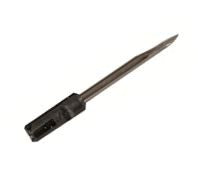
Regular - Tagger Gun Needles
Replacement needles for regular tagging systems. Useful when needles become blunt, bent, or damaged from heavy use or accidental contact with hard components (such as thick seams, rivets, or packaging inserts). -
Heavy Duty - Tagger Gun Needles
Heavier-duty needle option for tougher tagging conditions. Often selected when tagging through thicker materials or when you need extra robustness for higher resistance applications.
Good practice: Replace needles at the first sign of snagging, misfires, or increased force required to tag. A worn needle can cause inconsistent fastening and may increase the chance of damaging the product.
3) Plastic attachments (tag fasteners) by length
Plastic attachments are the consumable fasteners that physically hold the swing tag to the product. Length selection matters: too short can pinch or distort the tag and product; too long can look untidy or catch during handling. Below are the attachment lengths available in this collection.
Short attachments (for thin items and tight presentation)
-
15mm - Attachments
Short fasteners suited to thin fabrics, small tags, or applications where you want the tag to sit close to the product. -
20mm - Attachments
A common short length that balances a neat finish with a little extra clearance for slightly thicker materials. -
25mm - Attachments
Versatile length for many garments and retail items. Often used when you need a secure hold without excessive slack. -
25mm - Fine Attachments
Fine-system fasteners at a popular length for delicate fabrics and smaller tag holes, helping reduce visible puncture marks.
Medium attachments (for thicker fabrics or added clearance)
-
40mm - Attachments
Medium length for bulkier garments, layered items, or when tags need more clearance to hang freely. -
50mm - Fine Attachments
Longer fine-system fasteners for applications needing extra space while still using a fine needle/fastener profile. -
65mm - Attachments
Long fasteners for thicker products or where you want the tag to hang away from the item for visibility and handling.
Extra-long attachments (for bulky items and special uses)
-
125mm - Attachments
Extra-long fasteners for bulky products, multi-layer items, or situations where the tag must be positioned well away from the product surface.
4) Hook pins (alternative fastening style)
Hook pins are a different style of attachment used in certain tagging scenarios, often where a hook-style connection is preferred. They can be useful for specific product types or presentation requirements.
-
19mm - Hook Pins
Short hook pin option for compact tagging needs. -
35mm - Hook Pin
Longer hook pin option when you need more clearance or a different hang position.
Case Study: Reducing Tagging Errors on a Busy Dispatch Bench
A small apparel dispatch team was experiencing frequent tagging slowdowns: broken needles, inconsistent fastener placement, and occasional fabric snags on lightweight garments. The root cause was a mismatch between the tagging system and the product mix. The team used one gun/needle setup for everything, from delicate tops to thicker outerwear, and often selected fastener lengths based on what was closest to hand.
They improved results by separating tagging into two simple workflows. For delicate items, they used a fine tagging setup and selected shorter fine attachments so tags sat neatly without excess slack. For thicker items, they used a regular setup with more robust needles and longer attachments where needed for clearance. They also introduced a basic needle replacement routine: needles were swapped at the first sign of snagging or increased force. The outcome was fewer misfires, more consistent tag placement, and faster throughput during peak packing periods.
How to Choose the Correct Tagger Gun, Needle, and Attachment
Step 1: Decide between fine vs regular tagging
If you tag lightweight or delicate fabrics (or tags with smaller holes), a fine tagging system is typically the safer choice because it uses a slimmer needle and fine fasteners. For general garments and everyday tagging, a regular system is commonly used. The key is consistency: match gun, needle, and fasteners within the same system.
Step 2: Choose the right needle strength
Needles are wear items. Regular needles suit routine tagging, while heavy-duty needles can be helpful when tagging through thicker materials or when the process involves higher resistance. If you notice bending, snagging, or frequent misfires, review needle condition and whether a stronger needle is appropriate.
Step 3: Select the attachment length based on product thickness and presentation
- 15–25mm: Best for thin fabrics and a tidy, close-to-product tag position.
- 40–65mm: Better for thicker garments, layered items, or when tags need to hang freely.
- 125mm: Useful for bulky items or special applications where the tag must sit well away from the product.
Practical check: Hold the tag where you want it to sit, estimate the distance to the attachment point, and choose a fastener length that provides a little slack without being excessive.
Step 4: Consider hook pins for specific applications
Hook pins can be chosen when a hook-style attachment is preferred for the product type or display method. As with standard attachments, select a length that provides enough clearance without creating an untidy hang.
Best Practices for Clean, Consistent Tagging
- Tag placement: Aim for consistent placement (e.g., seam allowance, label area, or a reinforced point) to reduce visible marks and improve presentation.
- Avoid hard points: Don’t tag through thick seams, rivets, zips, or dense trims where needles can bend or snap.
- Keep consumables organised: Store fine and regular fasteners separately and label them clearly to prevent mix-ups.
- Replace needles proactively: A fresh needle often reduces effort and improves fastening consistency.
- Test first: When tagging a new fabric or product type, test on a sample or an inconspicuous area to confirm the needle/fastener choice.
Troubleshooting Common Tagger Gun Issues
Misfires or fasteners not feeding
Misfeeds are often caused by using the wrong fastener type for the gun/needle (fine vs regular), a worn needle, or a strip that isn’t seated correctly. Confirm compatibility first, then check needle condition and reload carefully.
Needle bending or breaking
This can happen when tagging through dense seams or hard components, or when excessive force is used. Switch to a more suitable tagging point, replace the needle, and consider a heavier-duty needle if the application consistently requires more strength.
Snagging or visible fabric damage
For delicate fabrics, consider a fine tagging setup and shorter fine attachments. Also ensure the needle is sharp and straight. Tagging through a reinforced area (like a label seam) can reduce visible marks compared with tagging through open fabric.
Frequently Asked Questions
What is the difference between fine and regular tagger gun systems?
Fine systems use a slimmer needle and fine fasteners, which can be better for delicate fabrics and smaller tag holes. Regular systems use a thicker needle and standard fasteners for general tagging. The gun, needle, and fasteners must match the same system.
How do I choose the right attachment length (15mm to 125mm)?
Choose length based on product thickness and how you want the tag to hang. Short lengths (15–25mm) keep tags close to thin items. Medium lengths (40–65mm) add clearance for thicker products. Extra-long (125mm) suits bulky items or special positioning.
When should I replace tagger gun needles?
Replace needles when you notice snagging, misfires, bending, or increased force needed to tag. A worn needle can damage products and reduce consistency. Keeping spare needles on hand helps maintain smooth workflow, especially in high-volume tagging environments.
Can I use fine attachments in a regular tagger gun (or vice versa)?
Generally no. Fine and regular systems are designed to work together as a matched set of gun/needle/fastener sizes. Mixing types can cause feeding problems, jams, or broken needles. Confirm the system type before loading fasteners or ordering replacements.
What are hook pins used for compared with standard attachments?
Hook pins are an alternative fastening style used in certain tagging scenarios where a hook-style connection is preferred for display or handling. They can provide a different hang or attachment method than standard barbed fasteners. Length selection still matters for clearance and neatness.