
Bags / Polythene (Popular) / Polythene Bags-On-Roll
-
9x14 - LD Poly Bags-on-RollRegular price From £3.47 GBPRegular priceUnit price per
-
 Sold outMetal Holders - Screw OnRegular price From £19.48 GBPRegular priceUnit price per
 -
 Sold outMetal Holders - HungRegular price From £19.48 GBPRegular priceUnit price per
 -
22x36 - 15mic Natural HD Poly Bags-on-RollRegular price From £67.03 GBPRegular priceUnit price per
-
22x36 - 18mic Natural HD Poly Bags-on-RollRegular price From £78.18 GBPRegular priceUnit price per
-
20x35 - 18mic Natural HD Poly Bags-on-RollRegular price From £74.17 GBPRegular priceUnit price per
-
9x14x16 - "Knot" Bags-on-RollRegular price From £2.99 GBPRegular priceUnit price per
-
9x14x18 - HD Poly Bags-on-RollRegular price From £3.83 GBPRegular priceUnit price per
-
9x14x18 - LD Poly Bags-on-RollRegular price From £3.51 GBPRegular priceUnit price per
-
9x14 - HD Poly Bags-on-RolRegular price From £4.28 GBPRegular priceUnit price per


Polythene bags on a roll are a convenient and efficient way to package and store various items. They are made from polyethylene, a versatile plastic material known for its durability and flexibility.
Convenience: Easy to dispense and use.
Retail: Packaging fruits, vegetables, and other grocery items.
Food Service: Wrapping sandwiches, burgers, and other food items.
Industrial: Packaging small parts and components.
| Product Code | Description |
| 04R01 | 9x14 - LD Poly Bags-on-Roll |
| 04R02 | 9x14 - HD Poly Bags-on-Rol |
| 04R03 | 9x14 - Fruit Design Bags-on-Roll |
| 04R04 | 9x14x18 - LD Poly Bags-on-Roll |
| 04R05 | 9x14x18 - HD Poly Bags-on-Roll |
| 04R06 | 9x14x16 - "Knot" Bags-on-Roll |
| 04R11 | Metal Holders - Screw On |
| 04R08 | 22x36 - 18mic Natural HD Poly Bags-on-Roll |
Bags / Polythene (Popular) / Polythene Bags-On-Roll
Polythene Bags on a Roll: Practical Packaging for Fast-Paced Handling
Polythene bags on a roll are designed for quick, repeatable packing where speed, hygiene, and consistency matter. Supplied as a continuous roll of individual bags, they dispense one at a time and are typically separated by perforations so each bag can be torn off cleanly. This format helps keep worktops tidy, reduces handling time, and supports more consistent portioning and packing routines.
In this collection you’ll find roll bags made from polyethylene (polythene), a durable and flexible plastic material. The range includes both LD (low-density) and HD (high-density) options, plus specialist styles such as fruit-design rolls, “knot” bags-on-roll, and compatible metal holders for mounting and dispensing.
Common Uses for Bags-on-Roll
Roll bags are widely used anywhere items need to be packed quickly and kept protected from moisture, dust, and cross-contact during handling. Typical applications include:
- Retail produce packing: bagging fruit and vegetables at point of sale or in back-of-house prep.
- Food service wrapping: handling sandwiches, burgers, and other prepared foods where quick bagging is helpful.
- Industrial and workshop packing: organising small parts and components for storage, picking, or dispatch.
Polythene Bags-On-Roll — Helpful Guide
This guide explains the main types of bags-on-roll in this category and what each is best suited for. Product names below match the items listed in this collection.
1) LD Poly Bags-on-Roll (Low-Density)
LD polythene is known for its flexibility and softer “feel”. It’s often chosen when you want a bag that opens easily, conforms around irregular shapes, and offers good tear resistance for everyday handling.
- 9x14 - LD Poly Bags-on-Roll (04R01): a compact roll bag size suited to smaller items and general-purpose packing where a flexible bag is preferred.
- 9x14x18 - LD Poly Bags-on-Roll (04R04): a deeper format that provides extra capacity for bulkier contents while keeping the convenience of roll dispensing.
2) HD Poly Bags-on-Roll (High-Density)
HD polythene is typically crisper and can be a good choice when you want a bag that separates cleanly from the roll and holds its shape a little more during opening and filling. It’s commonly used for produce and fast dispensing environments.
- 9x14 - HD Poly Bags-on-Rol (04R02): a roll bag option for quick tear-off use where a firmer bag can help speed up packing.
- 9x14x18 - HD Poly Bags-on-Roll (04R05): a larger-capacity HD roll bag for higher-volume packing tasks.
- 22x36 - 18mic Natural HD Poly Bags-on-Roll (04R08): a larger-format natural HD roll bag specified at 18 microns, suitable when you need more coverage and a defined film thickness.
3) Printed / Fruit Design Bags-on-Roll
Printed designs are often used in produce settings to help communicate intended use at a glance and to create a consistent presentation for fruit and vegetable packing.
- 9x14 - Fruit Design Bags-on-Roll (04R03): a produce-oriented roll bag with a fruit design for everyday retail and food handling workflows.
4) “Knot” Bags-on-Roll
“Knot” bags-on-roll are designed to make closure simple. The format supports quick tying/closing without needing separate ties or clips, which can be useful in busy environments where speed and a basic closure are priorities.
- 9x14x16 - "Knot" Bags-on-Roll (04R06): a roll bag style intended for fast closure by tying/knotting.
5) Dispensing Hardware (Metal Holders)
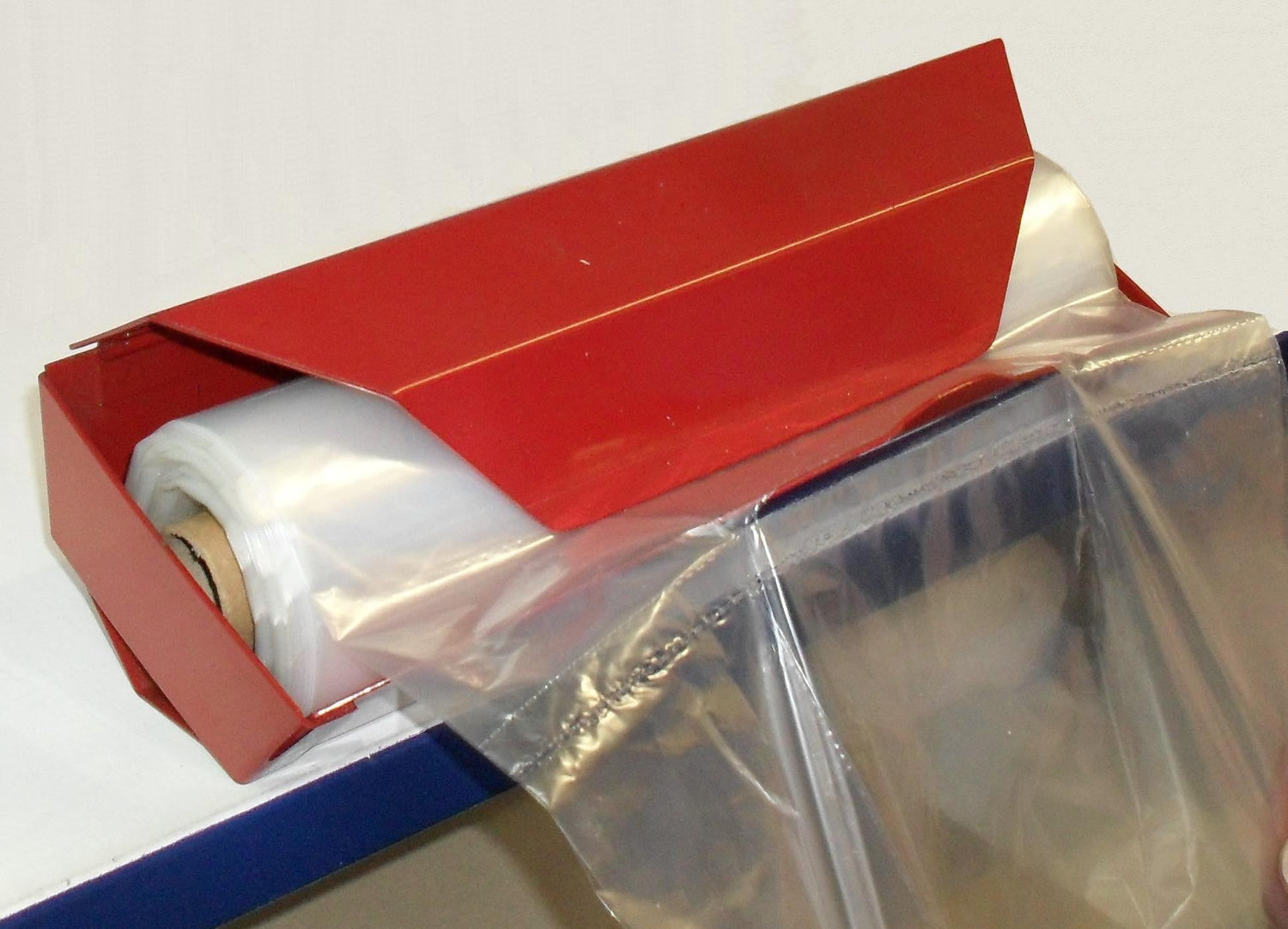
Dispensing hardware helps keep rolls accessible and controlled. A mounted holder can reduce roll movement, improve tear-off consistency, and keep the roll positioned where staff naturally pack items.
- Metal Holders - Screw On (04R11): a screw-on metal holder option for mounting and dispensing bags-on-roll.
Case Study: Speeding Up Produce Packing at a Busy Counter
Consider a busy retail counter where staff bag produce continuously throughout the day. Without a fixed dispensing point, rolls can slide around, bags may tear unevenly, and staff may handle multiple bags before separating one cleanly. By switching to a consistent bags-on-roll format and mounting the roll using a screw-on metal holder, the workflow becomes more repeatable: one hand stabilises the item, the other tears off a single bag, and packing continues with fewer interruptions.
In practice, teams often find that the biggest gains come from small improvements: keeping the roll at the same height and orientation, choosing a film type that opens easily for the product being packed, and selecting a bag depth that avoids overfilling. The result is less time spent “fighting the bag” and more time spent serving customers or completing prep tasks.
How to Choose the Correct Bags-on-Roll
Choosing the right roll bag is mainly about matching the bag’s size, film type, and dispensing method to your day-to-day handling. Use the checklist below to narrow down the best option.
Step 1: Confirm the bag size you need
Start with the dimensions that suit your typical item. Smaller sizes can be easier to handle and reduce excess material, while deeper bags help prevent overfilling and make it easier to close or tie.
- Width: ensure the opening comfortably fits the widest part of the item.
- Length/depth: allow enough depth for the item to sit inside without stretching the film or leaving too little material to fold/close.
- Allow for irregular shapes: items like mixed produce or components with sharp corners may need extra room to reduce stress on seams.
Step 2: Choose LD vs HD based on handling
Both LD and HD polythene are widely used; the best choice depends on how you want the bag to behave during opening, filling, and carrying.
- Choose LD when you want a more flexible bag that conforms around contents and can feel easier to manipulate for certain packing styles.
- Choose HD when you want a crisper bag that can separate cleanly from the roll and may feel faster to open in high-throughput environments.
Step 3: Consider film thickness (microns) where specified
Film thickness is often expressed in microns (mic). A defined micron specification helps you standardise performance across sites or shifts. Thicker films can offer more robustness for heavier or more abrasive contents, while thinner films can be suitable for lighter items and quick packing.
This collection includes a larger-format option specified at 18 microns (22x36 - 18mic Natural HD Poly Bags-on-Roll), which can be useful when you need a known thickness for consistency.
Step 4: Decide how you will dispense the roll
Dispensing method affects speed and waste. If rolls are left loose on a counter, they can unravel or shift position. A mounted holder keeps the roll stable and can improve tear-off accuracy.
- Countertop use: suitable for lower-volume packing, but may require more repositioning.
- Mounted dispensing: using a screw-on metal holder can keep the roll in a fixed location and reduce handling time.
Step 5: Choose closure style (standard vs “knot”)
If you regularly need a quick closure without additional accessories, a “knot” style can simplify the process. For applications where closure isn’t required (or where items are transferred immediately), standard roll bags may be sufficient.
Handling Tips: Getting Cleaner Tear-Off and Faster Bag Opening
- Keep the roll aligned: if the roll is skewed, perforations may not tear evenly.
- Use a consistent tear direction: tearing at a slight angle can help follow the perforation line.
- Avoid overfilling: overfilled bags are more likely to stretch and split during carrying.
- Match bag type to task: if staff struggle to open bags quickly, trial a different film type (LD vs HD) or a different size/depth.
- Mount the roll where work happens: placing the roll at the packing point reduces unnecessary movement and keeps the workflow consistent.
Storage and Workplace Considerations
To keep bags-on-roll performing consistently, store rolls in a clean, dry area away from direct heat sources. In busy environments, it can help to keep spare rolls close to the dispensing point so staff can replace them quickly without interrupting service. If you use a mounted holder, check fixings periodically to ensure the roll remains stable and easy to dispense.
Frequently Asked Questions
What is the main advantage of polythene bags on a roll compared with loose bags?
Bags on a roll dispense one at a time, which helps speed up packing and keeps bags organised at the point of use. The roll format can reduce clutter, limit accidental contamination from handling multiple bags, and support more consistent tear-off and portioning.
How do I choose between LD and HD polythene bags-on-roll?
LD polythene is generally more flexible and can feel easier to manipulate around irregular items. HD polythene is typically crisper and can separate cleanly from the roll, which may help in fast-paced packing. The best choice depends on your handling routine and contents.
What does “micron” mean for bags-on-roll, and why does it matter?
Micron (mic) is a measure of film thickness. A stated micron value helps you standardise bag performance, such as robustness and feel, across different locations or shifts. Thicker films can suit heavier or more abrasive contents, while thinner films can suit lighter items.
Are metal holders useful for bags-on-roll, and when should I use one?
A holder keeps the roll stable and positioned where packing happens, which can improve tear-off consistency and reduce time spent chasing a moving roll. Screw-on metal holders are especially helpful in high-throughput areas like produce counters, prep stations, or packing benches.
What are “knot” bags-on-roll used for?
Knot bags-on-roll are designed for quick closure by tying or knotting, reducing the need for separate ties or clips. They can be useful when items need a basic closure for carrying or short-term storage, especially in busy environments where speed is important.