
Branding / Labels / Price Gun Labels
-
 Sold out4301 - PB Yellow LabelsRegular price £0.00 GBPRegular priceUnit price per
 -
PB 1107 Cream Labels Printed in Dark BrownRegular price From £106.77 GBPRegular priceUnit price per
-
26.12 - (CT4) Yellow "Previously Used" LabelsRegular price From £3.73 GBPRegular priceUnit price per
-
 Sold out30.21 - White Peel LabelsRegular price From £68.06 GBPRegular priceUnit price per
 -
 Sold out30.13 - White Peel LabelsRegular price £0.00 GBPRegular priceUnit price per
 -
 Sold out26.12 - (CT7) Yellow LabelsRegular price £0.00 GBPRegular priceUnit price per
 -
 Sold out26.12 - (CT7) White Labels - PeelRegular price £0.00 GBPRegular priceUnit price per
 -
 Sold out26.12 - (CT7) White Labels - PermRegular price From £1.90 GBPRegular priceUnit price per
 -
 Sold out26.12 - W/E ‘U’ Yellow “SATO” LabelsRegular price From £3.73 GBPRegular priceUnit price per
 -
 Sold out26.12 - W/E ‘U’ Orange “SATO” LabelsRegular price From £3.73 GBPRegular priceUnit price per
 -
 Sold outPB220 - W/E ‘U’ White “SATO” LabelsRegular price From £2.94 GBPRegular priceUnit price per
 -
 Sold out26.12 - White Punch Hole Perm LabelsRegular price From £1.01 GBPRegular priceUnit price per
 -
26.12 - (CT4) "Best Before" Freezer LabelsRegular price £0.00 GBPRegular priceUnit price per
-
26.12 - Yellow Punch Hole Perm LabelsRegular price £0.00 GBPRegular priceUnit price per
-
 Sold out26.12 - Yellow Punch Hole LabelsRegular price £0.00 GBPRegular priceUnit price per
 -
 Sold out26.12 - Red Punch Hole LabelsRegular price £0.00 GBPRegular priceUnit price per
 -
 Sold out26.12 - Orange Punch Hole LabelsRegular price £0.00 GBPRegular priceUnit price per
 -
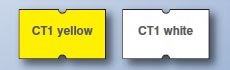
26.12 - (CT1) White Punch Hole LabelsRegular price From £1.84 GBPRegular priceUnit price per
-
 Sold out26.12 - White W/E Perm LabelsRegular price From £1.65 GBPRegular priceUnit price per
 -
 Sold out26.12 - White W/E Freezer LabelsRegular price £0.00 GBPRegular priceUnit price per
 -
 Sold out26.12 - Yellow W/E Perm LabelsRegular price From £1.60 GBPRegular priceUnit price per
 -
 Sold out26.12 - Red W/E Perm LablesRegular price From £1.63 GBPRegular priceUnit price per
 -
 Sold out26.12 - Yellow W/E LabelsRegular price £0.00 GBPRegular priceUnit price per
 -
 Sold out26.12 - Red W/E LablesRegular price From £1.90 GBPRegular priceUnit price per
 -
 Sold out26.12 - Orange W/E LablesRegular price £0.00 GBPRegular priceUnit price per
 -
 Sold out26.12 - (CT4) White W/E LabelsRegular price From £0.00 GBPRegular priceUnit price per
 -
 Sold outNOR 25/11 - Yellow (D) LabelsRegular price £0.00 GBPRegular priceUnit price per
 -
 Sold outNOR 25/14 - Yellow (B) LabelsRegular price From £2.31 GBPRegular priceUnit price per
 -
 Sold outNOR 25/11 - White (D) LabelsRegular price £0.00 GBPRegular priceUnit price per


Branding / Labels / Price Gun Labels
Price Gun Labels for Retail Marking & Inventory Control
Price gun labels are small, pre-cut label rolls designed to feed smoothly through handheld labelers for fast, consistent marking. They’re commonly used for pricing, date coding, batch identification, and short-form product information where speed matters and handwriting slows teams down. This collection focuses on compact label formats (including 26 x 12 mm and 30 x 13/30 x 21 styles) in high-visibility colors and practical adhesive options, including peel/removable and permanent.
Because price marking workflows vary by environment (coolers, dry shelves, back rooms, receiving docks), choosing the right label is less about “one best label” and more about matching size, adhesive, and color to the job. The guide below breaks down the main label types in this category and how they’re typically used.
Price Gun Labels — Helpful Guide
1) Standard price gun label rolls (general retail marking)
These are everyday label rolls used for quick price changes, shelf-edge marking, and short notes such as codes or initials. They’re designed for reliable dispensing and legibility with common ink rollers.
-
4301 - PB Yellow Labels
Yellow labels are often chosen for high contrast and quick visibility on mixed packaging. Useful for temporary pricing, promotions, or internal codes where you want the label to stand out. -
PB 1107 Cream Labels Printed in Dark Brown
Cream labels with dark printing can be helpful when you want a softer look than bright white/yellow while keeping text readable. Pre-printed formats can support consistent messaging across items.
2) “Previously Used” / re-price labels (covering old prices)
Re-pricing is common in resale, returns, and clearance workflows. “Previously Used” labels are typically used to indicate an item has been marked before, or to help staff quickly identify re-ticketed merchandise. They can also be used as a visual cue for audit trails and inventory handling.
-
26.12 - (CT4) Yellow "Previously Used" Labels
A compact 26 x 12 mm format in yellow with “Previously Used” messaging. Often used in secondhand, consignment, or returns processing where clear status labeling reduces confusion.
3) 30 mm series white peel labels (more room for information)
When you need a little more space for numbers, short descriptions, or multi-line codes, 30 mm series labels can be easier to read and less cramped than smaller formats. “Peel” options are commonly selected when labels must be removed cleanly from certain surfaces.
-
30.21 - White Peel Labels
A larger white label format that can improve readability for longer prices or codes. Peel/removable adhesive is often preferred for temporary marking or when residue is a concern. -
30.13 - White Peel Labels
A compact 30 x 13 mm white peel label that balances readability with efficient use of space. Suitable for quick pricing and short identifiers.
4) 26 x 12 mm CT7 label rolls (color options + adhesive choices)
The 26 x 12 mm size is a widely used compact format for price guns. Within that size, you’ll often choose between color (visibility) and adhesive type (removable vs permanent). If your workflow includes frequent price changes, peel/removable labels can reduce cleanup time. If labels must stay put through handling, permanent adhesive is typically the better fit.
-
26.12 - (CT7) Yellow Labels
Yellow 26 x 12 mm labels for high visibility. Commonly used for fast price marking and internal coding where contrast matters. -
26.12 - (CT7) White Labels - Peel
White 26 x 12 mm labels with peel/removable adhesive. Useful for temporary pricing, short-term identification, or situations where clean removal is important. -
26.12 - (CT7) White Labels - Perm
White 26 x 12 mm labels with permanent adhesive. Better suited for labels that must remain attached during handling, storage, or longer shelf time.
5) W/E “U” labels for compatible SATO-style labelers (color-coded options)
Some handheld labelers use specific roll formats and core/spacing requirements. W/E “U” style labels in this collection provide color-coded options that can support quick sorting (e.g., by department, date window, or status). Color can also reduce mislabeling when multiple teams share the same work area.
-
26.12 - W/E ‘U’ Yellow “SATO” Labels
Yellow W/E “U” labels in a compact format for compatible labelers. Helpful for high-visibility marking and quick scanning by staff. -
26.12 - W/E ‘U’ Orange “SATO” Labels
Orange labels are often used for special handling, urgency, or category separation. A practical choice when you need a distinct color that still reads well. -
PB220 - W/E ‘U’ White “SATO” Labels
White W/E “U” labels intended for PB220-style compatibility. White is a versatile choice for clear numeric pricing and neat presentation.
6) Punch-hole permanent labels (hang tags, pegged items, and attachments)
Punch-hole labels are designed to work with items that are hung, pegged, or otherwise benefit from a hole for attachment or alignment. Permanent adhesive helps keep the label in place during handling, while the hole can support hanging, tying, or consistent placement.
-
26.12 - White Punch Hole Perm Labels
26 x 12 mm white labels with a punch hole and permanent adhesive. Useful for applications where a hole aids attachment, alignment, or hanging workflows.
Mini Case Study: Reducing Re-Work in a High-Change Pricing Environment
A small retail operation with frequent price updates noticed that staff spent significant time removing old labels and cleaning residue—especially on smooth packaging and reusable containers. By switching temporary price changes to peel/removable labels for short-duration pricing, and reserving permanent labels for long-hold items, they reduced cleanup steps and improved consistency. They also introduced color-coding (yellow vs white) to separate “needs review” items from standard shelf stock, which reduced mis-shelving and improved speed during busy periods.
How to Choose the Correct Price Gun Label
Step 1: Confirm labeler compatibility (size + roll format)
Start with the labeler’s required label size and roll format. Many handheld labelers are designed around specific dimensions (such as 26 x 12 mm) and may require particular roll winding, core size, or sensing gaps. If your labeler references CT-series or PB-series formats, match that specification first to avoid feed issues.
Step 2: Choose adhesive based on how long the label must stay on
- Peel/removable: Best for temporary pricing, short-term identification, and situations where residue or surface damage is a concern.
- Permanent: Best for longer shelf life, heavy handling, or when labels must remain attached through storage and transport.
Surface type matters: textured cardboard, flexible films, and coated packaging can all behave differently. When in doubt, test a small batch on your actual packaging and remove after the typical time window.
Step 3: Pick a color strategy that supports your workflow
Color is more than aesthetics—it’s a process tool. Many teams use:
- White for standard pricing and clean presentation.
- Yellow for high visibility, quick attention, or special categories.
- Orange for exceptions, urgency, or a distinct department code.
Consistency is key: define what each color means internally so new staff can follow the system without guesswork.
Step 4: Decide how much space you need for the message
If you only need a price, a compact label can be efficient. If you need additional digits, short codes, or multi-line information, consider a larger format (such as 30 x 21) to improve readability and reduce misreads at the shelf.
Step 5: Consider special features (pre-printed text, punch holes)
- Pre-printed labels can standardize messaging and reduce manual errors.
- Punch-hole labels can support hanging/attachment workflows or consistent placement.
Best Practices for Application & Storage
Applying labels cleanly
- Apply to a clean, dry surface; dust and oils reduce adhesion.
- Press firmly across the full label to avoid edge lift.
- For curved surfaces, place the label where it won’t bridge a seam or deep contour.
Preventing jams and misprints
- Use the correct roll format for your labeler to maintain smooth feed.
- Store rolls away from heat and direct sunlight to protect adhesive performance.
- If print becomes faint, check the ink roller condition and replace as needed.
Handling peel/removable labels
Peel/removable labels are designed to come off more easily, but removal performance depends on surface and dwell time. For best results, remove within the intended time window and peel slowly at a low angle. If residue appears, adjust dwell time or switch to a different adhesive type for that surface.
Common Use Cases
- Retail shelf pricing: Fast price updates with consistent formatting.
- Backroom receiving: Quick coding for batches, dates, or routing.
- Returns and resale: “Previously Used” labeling to support transparency and sorting.
- Department color-coding: Visual separation to reduce picking and stocking errors.
- Pegged/hanging items: Punch-hole labels for alignment or attachment workflows.
Q&A
What’s the difference between peel (removable) and permanent price gun labels?
Peel/removable labels are intended for temporary marking and are easier to remove from many surfaces with less residue. Permanent labels are designed to stay attached longer and resist lifting during handling. Actual performance depends on packaging material, texture, and how long the label remains applied.
How do I know which label size I need for my price gun?
Check your labeler’s specifications for the required label dimensions and roll format. Common sizes include 26 x 12 mm and 30 mm series labels. Using the wrong size can cause feeding issues or misalignment. If possible, match the CT/PB format referenced for your labeler model.
Are colored labels only for visibility, or do they serve other purposes?
Color can support process control as well as visibility. Many teams use different colors to indicate departments, date windows, clearance status, or items needing review. A consistent color system reduces mislabeling and speeds up sorting. Choose colors that remain readable under your store lighting.
Why would I choose a larger label like 30 x 21 instead of 26 x 12?
Larger labels provide more space for longer prices, multi-line codes, or additional identifiers, improving readability and reducing mistakes at the shelf. They can be helpful when staff need to include extra digits or short descriptions. The tradeoff is less compact labeling on small packages.
Do “Previously Used” labels replace the need to remove old price labels?
They’re typically used as a clear status indicator for re-ticketed merchandise, but they don’t automatically solve residue or layering issues. If old labels interfere with scanning, readability, or presentation, removing them may still be necessary. Consider peel/removable labels for frequent price changes to reduce cleanup.