
Safety / PPE & Clothing / Other Gloves
-
Yellow Criss Cross - Pairs of GlovesRegular price From £1.00 GBPRegular priceUnit price per
-
Pairs of Gloves - Premium RiggersRegular price From £9.87 GBPRegular priceUnit price per
-
Pairs of Gloves - RiggersRegular price From £9.87 GBPRegular priceUnit price per
-
Medium - Poly GlovesRegular price From £0.79 GBPRegular priceUnit price per
-
Large - Poly GlovesRegular price From £0.79 GBPRegular priceUnit price per
-
Dipped Knitted GloveRegular price From £7.43 GBPRegular priceUnit price per


Safety / PPE & Clothing / Other Gloves
Other Safety Gloves for General Handling & Light-Duty Tasks
This collection brings together practical glove options used across warehouses, workshops, construction sites, cleaning stations, and food-service back-of-house areas. The products here generally fall into two groups: durable work gloves designed to protect against abrasion and rough handling, and lightweight disposable gloves intended for short, low-risk tasks where frequent glove changes are needed.
Choosing the right glove is mainly about matching the glove’s material and construction to the hazards you actually face: rough surfaces, splinters, sharp edges, oily parts, wet conditions, or the need for quick on/off hygiene barriers. The sections below explain the main glove types in this category and how they’re typically used.
Safety / PPE & Clothing / Other Gloves — Helpful Guide
1) Leather Rigger Gloves (general handling protection)
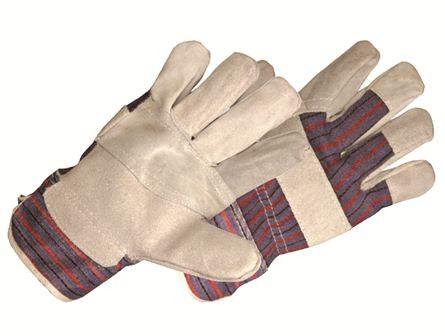
Rigger-style gloves are commonly selected for general manual handling where abrasion resistance and basic impact protection are more important than fine dexterity. They are often made with a leather palm for durability and a fabric back for comfort and breathability, with a safety cuff that helps protect the wrist and makes the glove easy to remove.
-
Pairs of Gloves - Riggers
General-purpose rigger gloves suited to handling rough materials, timber, bricks, and other abrasive loads where a tougher palm and a protective cuff are helpful. -
Pairs of Gloves - Premium Riggers
A higher-grade rigger option typically chosen when you want improved comfort, stitching durability, and longer wear life for frequent handling tasks. -
Yellow Criss Cross - Pairs of Gloves
A robust work-glove option often used for general site work and handling. The criss-cross style is commonly associated with reinforced construction for everyday protection.
Typical uses: construction handling, warehouse picking and loading, landscaping, maintenance work, and moving rough or dusty materials.
Limitations to keep in mind: rigger gloves are not designed for chemical splash protection, and they are not cut-proof. If you work around blades or sharp sheet materials, you may need a glove specifically rated for cut resistance.
2) Dipped Knitted Gloves (grip + abrasion resistance)
Dipped knitted gloves combine a knitted liner (often for comfort and flexibility) with a coated palm/fingers to improve grip and abrasion resistance. They are commonly used when you need better control than a bulky leather glove can provide, especially when handling cartons, tools, or components.
-
Dipped Knitted Glove
A coated-grip glove designed for everyday handling where you want a closer fit and improved grip compared with uncoated fabric gloves.
Typical uses: general assembly, warehouse handling, light construction tasks, maintenance, and situations where grip matters (including slightly wet or dusty items).
Limitations to keep in mind: coating type and thickness affect dexterity and breathability. For prolonged wet work or chemical exposure, select gloves specifically designed and rated for those hazards.
3) Disposable Poly Gloves (quick-change hygiene barrier)
Disposable poly (polyethylene) gloves are lightweight, loose-fitting gloves intended for short-duration tasks and frequent changes. They are commonly used as a basic hygiene barrier for low-risk handling, especially where speed and convenience matter more than durability or grip.
-
Medium - Poly Gloves
Light-duty disposable gloves for quick on/off tasks where frequent glove changes are expected. -
Large - Poly Gloves
Same lightweight disposable style in a larger size for a more comfortable fit on bigger hands.
Typical uses: food serving and light food handling, cleaning changeovers, low-risk sorting tasks, and any workflow where gloves are replaced often to reduce cross-contamination.
Limitations to keep in mind: poly gloves are not intended for heavy-duty work, sharp edges, high heat, or tasks requiring strong grip and close fit.
Case Study: Reducing Hand Injuries in a Mixed Warehouse
A small distribution warehouse experienced frequent minor hand injuries: abrasions from rough cartons, splinters from pallets, and occasional pinches during loading. Staff were using a single glove type for all tasks, which led to poor compliance—bulky gloves were removed for picking, while thin disposable gloves tore during loading.
The warehouse separated tasks into two glove standards. For loading, pallet handling, and waste compaction, staff used rigger-style gloves for abrasion resistance and wrist coverage. For picking, scanning, and light assembly, staff used dipped knitted gloves for better grip and dexterity. Disposable poly gloves were reserved for short hygiene-barrier tasks only. The result was fewer torn gloves, better comfort, and improved consistency in glove use across shifts.
How to Choose the Correct Gloves for Your Task
Step 1: Identify the main hazard
- Abrasion / rough surfaces: consider rigger gloves or dipped knitted gloves.
- Need for grip and dexterity: dipped knitted gloves are often a good starting point.
- Hygiene barrier with frequent changes: disposable poly gloves are typically used for short, low-risk tasks.
- Sharp edges / blades: look for cut-resistant gloves (not typically covered by basic rigger or poly gloves).
- Chemicals: use gloves specifically rated for the chemical and exposure type.
Step 2: Match glove construction to the work pattern
- Long wear, heavy handling: choose a more durable glove (often leather rigger style).
- Intermittent handling with frequent tool use: choose a closer-fitting glove (often dipped knitted).
- Very short tasks with frequent glove changes: disposable poly gloves can be appropriate.
Step 3: Check fit and comfort
Fit affects safety. Gloves that are too loose can snag; gloves that are too tight can reduce circulation and increase fatigue. If you are between sizes, consider the task: a slightly snug fit can improve dexterity for picking, while a roomier fit may be acceptable for short-duration disposable use.
Step 4: Consider environment (dry, wet, dusty, oily)
Grip needs change with conditions. In dusty environments, a coated palm can help maintain control. In wet or oily environments, you may need a glove designed specifically for wet grip and liquid resistance. If liquids are present, disposable poly gloves may not provide the durability or secure fit needed for safe handling.
Step 5: Plan for glove changes and hygiene
Disposable gloves should be changed between tasks to reduce cross-contamination. For reusable work gloves, set expectations for inspection and replacement: if the palm is worn smooth, seams are splitting, or the glove is contaminated with substances that cannot be cleaned safely, replace it.
Care, Inspection & Replacement Tips
- Inspect before use: check for holes, torn seams, worn palms, and degraded coatings.
- Keep spares available: easy access improves compliance and reduces risky “make-do” behavior.
- Replace after contamination: if gloves contact oils, chemicals, or biological contaminants, follow your site procedure for disposal or cleaning.
- Store correctly: keep gloves dry and away from direct sunlight and heat sources to reduce material degradation.
Common Mistakes to Avoid
- Using disposable poly gloves for heavy handling: they can tear easily and may reduce grip.
- Assuming one glove suits every task: separating tasks by glove type often improves safety and comfort.
- Ignoring fit: poor fit can increase snag risk and reduce control.
- Not changing disposable gloves between tasks: this can increase cross-contamination risk.
Q&A
What is the practical difference between rigger gloves and dipped knitted gloves?
Rigger gloves are typically chosen for tougher, rough-material handling where abrasion resistance and basic wrist coverage matter. Dipped knitted gloves usually fit closer to the hand and provide better grip and dexterity for picking, tool use, and general handling of cartons or components.
Are disposable poly gloves suitable for food handling?
Disposable poly gloves are commonly used for short, low-risk food handling tasks where gloves are changed frequently. They work best as a basic hygiene barrier for serving or light handling, but they are not ideal for heavy prep, sharp tools, or tasks needing strong grip.
How do I choose between medium and large disposable poly gloves?
Choose the size that fits comfortably without excessive looseness at the fingertips. A glove that is too tight can tear more easily and cause discomfort, while a glove that is too loose can reduce control and increase snag risk. When in doubt, test fit during typical tasks.
When should work gloves be replaced?
Replace work gloves when the palm is worn thin, seams are splitting, coatings are peeling, or grip has noticeably reduced. Gloves should also be replaced if they become contaminated with substances that cannot be cleaned safely. Regular inspection helps prevent failures during handling.
Do these gloves protect against cuts and chemicals?
Basic rigger, dipped knitted, and disposable poly gloves provide limited protection and are not automatically cut-resistant or chemical-resistant. If your task involves blades, sharp sheet materials, or chemical exposure, select gloves specifically rated for those hazards and follow your site safety guidance.