
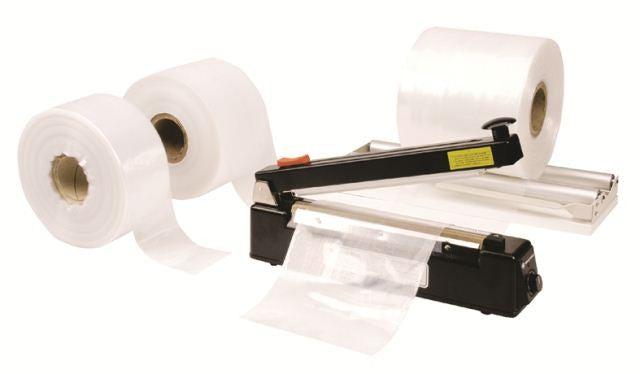
Polythene / Layflat Tubing (Popular) / 500G (127mu) LFT
-
9" 229mmx170m - 500g Orange Transluscent Tint Lay Flat Tubing (127mu)Regular price From £37.59 GBPRegular priceUnit price per
-
6" 150mmx170m - 500g Orange Transluscent Tint Lay Flat Tubing (127mu)~~Regular price From £41.31 GBPRegular priceUnit price per
-
4" 100mmx170m - 500g Orange Transluscent Tint Lay Flat Tubing (127mu)Regular price From £19.00 GBPRegular priceUnit price per
-
14" 355mmx170m - 500g Orange Transluscent Tint Lay Flat Tubing (127mu)Regular price From £89.93 GBPRegular priceUnit price per
-
12" 300mmx170m - 500g Orange Transluscent Tint Lay Flat Tubing (127mu)Regular price From £78.18 GBPRegular priceUnit price per
-
10" 250mmx170m - 500g Orange Transluscent Tint Lay Flat Tubing (127mu)Regular price From £41.53 GBPRegular priceUnit price per
-
9"x18kg - 1000g Lay Flat Tubing (229mm - 254mu)Regular price From £78.18 GBPRegular priceUnit price per
-
7"x7kg - 500g Lay Flat Tubing (178mm - 127mu)Regular price From £40.22 GBPRegular priceUnit price per
-
72"x30kg - 500g Lay Flat Tubing (1829mm - 127mu)Regular price From £151.01 GBPRegular priceUnit price per
-
6"x12kg - 1000g Lay Flat Tubing (152mm - 254mu)Regular price From £53.35 GBPRegular priceUnit price per
-
54"x25kg - 500g Lay Flat Tubing (1372mm - 127mu)Regular price From £85.57 GBPRegular priceUnit price per
-
4"x8kg - 1000g Lay Flat Tubing (102mm - 254mu)Regular price From £49.11 GBPRegular priceUnit price per
-
4"x4kg - 500g Lay Flat Tubing (102mm - 127mu)Regular price From £25.40 GBPRegular priceUnit price per
-
48"x25kg - 500g Clear Regran Lay Flat Tubing (1219mm - 127mu)~~Regular price From £134.69 GBPRegular priceUnit price per
-
40"x25kg - 500g Lay Flat Tubing (1016mm - 127mu)Regular price From £88.00 GBPRegular priceUnit price per
-
36"x25kg - 500g Clear Regran Lay Flat Tubing (914mm - 127mu)Regular price From £120.60 GBPRegular priceUnit price per
-
30"x25kg - 500g Clear Regran Lay Flat Tubing (762mm - 127mu)Regular price From £120.60 GBPRegular priceUnit price per
-
3½"x3.5kg - 500g Lay Flat Tubing (89mm - 127mu)Regular price From £22.31 GBPRegular priceUnit price per
-
2"x2kg - 500g Lay Flat Tubing (51mm - 127mu)Regular price From £16.02 GBPRegular priceUnit price per
-
2½"x2.5kg - 500g Lay Flat Tubing (64mm - 127mu)Regular price From £17.46 GBPRegular priceUnit price per
-
24"x24kg - 500g Lay Flat Tubing (610mm - 127mu)Regular price From £118.65 GBPRegular priceUnit price per
-
20"x20kg - 500g Lay Flat Tubing (508mm - 127mu)Regular price From £111.83 GBPRegular priceUnit price per
-
1½"x1.5kg - 500g Lay Flat Tubing (38mm - 127mu)Regular price From £16.00 GBPRegular priceUnit price per
-
1"x1kg - 500g Lay Flat Tubing (25mm - 127mu)Regular price From £10.74 GBPRegular priceUnit price per
-
18"x16kg - 800g Black Lay Flat Tubing (457mm - 203mu)Regular price From £70.11 GBPRegular priceUnit price per
-
16"x16kg - 500g Lay Flat Tubing (406mm - 127mu)Regular price From £83.64 GBPRegular priceUnit price per
-
15"x15kg - 500g Lay Flat Tubing (381mm - 127mu)Regular price From £87.23 GBPRegular priceUnit price per
-
14"x14kg - 500g Lay Flat Tubing (356mm - 127mu)Regular price From £75.10 GBPRegular priceUnit price per
-
12"x22kg - 700g Black Lay Flat Tubing (305mm - 178mu)Regular price From £95.64 GBPRegular priceUnit price per
-
12"x12kg - 500g Lay Flat Tubing (305mm - 127mu)Regular price From £63.35 GBPRegular priceUnit price per


Polythene Lay Flat tubing made from 30% recycled content material, unless otherwise stated.
Ideal for long and irregular items; make your own size bag - simply heat seal the ends.
Protect blinds, carpets and long pole shaped objects against dust, water and scratches.
Black is also available for security, or colours for quick identification.
Recyclable and Economical
Use impulse heat sealer, for neat professional finish
Bespoke printing
Wide range of widths and thicknesses in stock
Any sizes and gauge, subject to minimum order quantities
Polythene / Layflat Tubing (Popular) / 500G (127mu) LFT
Polythene Layflat Tubing (Popular) 500g (127bcm) Practical Overview
Layflat tubing is a continuous tube of polythene supplied flattened on a roll. Because it is already sealed along both long edges, you can create custom-length bags and sleeves by sealing across the tube and cutting to size. This makes it especially useful for long, awkward, or variable-length items where pre-made bags would be wasteful or simply wont fit.
This collection focuses on popular layflat tubing options supplied as 500g rolls at 127bcm thickness (often described as a robust, general-purpose gauge). The range includes translucent tinted orange options in multiple widths, designed to help with quick identification while still allowing some visibility of contents.
Polythene Layflat Tubing (Popular) / 500g (127bcm) Helpful Guide
1) Translucent tinted layflat tubing (orange) for identification and general protection
Translucent tinted tubing is commonly chosen when you want to differentiate packed items at a glance (for example, separating work orders, sizes, or product lines) while still being able to see the outline of the contents. At 127bcm, it is typically used for everyday protection against dust, light moisture, and scuffing during storage and handling.
-
4" 100mmx170m - 500g Orange Transluscent Tint Lay Flat Tubing (127mu)
Compact width for narrow parts, trims, small profiles, and bundled components where you want minimal excess film. -
6" 150mmx170m - 500g Orange Transluscent Tint Lay Flat Tubing (127mu)~~
A versatile mid-width option for slightly bulkier profiles, grouped items, or products that need extra clearance for easy insertion. -
9" 229mmx170m - 500g Orange Transluscent Tint Lay Flat Tubing (127mu)
Useful for wider profiles and multi-item packs; a common choice for long goods where you still want manageable roll handling. -
10" 250mmx170m - 500g Orange Transluscent Tint Lay Flat Tubing (127mu)
Extra width for larger cross-sections, thicker bundles, or when you need more room to slide products in without snagging. -
12" 300mmx170m - 500g Orange Transluscent Tint Lay Flat Tubing (127mu)
Suitable for broad items and larger bundles; helps reduce stretching and makes sealing easier when packing bulky goods. -
14" 355mmx170m - 500g Orange Transluscent Tint Lay Flat Tubing (127mu)
Widest option in this tinted set for large profiles and oversized bundles where you want a sleeve-like fit.
2) Heavier-gauge layflat tubing (example shown in this collection) when puncture resistance matters
Some applications call for thicker film to reduce the risk of punctures or tearing, particularly with heavier items, sharper edges, or rough surfaces. If your product has corners, burrs, or concentrated load points, consider stepping up in thickness and/or adding edge protection.
-
9"x18kg - 1000g Lay Flat Tubing (229mm - 254mu)
A thicker option (254bcm) for more demanding handling conditions, heavier parts, or higher puncture-risk items.
Typical Uses (and why layflat tubing works well)
- Long and irregular items: Create a sleeve or bag to the exact length needed, reducing waste and improving fit.
- Protection during storage: Helps keep dust and debris off surfaces such as blinds, trims, profiles, and rolled materials.
- Handling and transit preparation: Provides a clean outer layer that reduces scuffing and light moisture contact during internal moves.
- Batching and kitting: Use tinted film to separate kits, work orders, or product variants while keeping contents visible.
Case Study: Packing long profiles with variable lengths
A workshop regularly ships long profiles in mixed lengths. Pre-made bags either wasted material (too long) or didnt fit (too short). By switching to layflat tubing, the team created custom sleeves on demand: seal one end, cut to length, insert the profile, then seal the other end. The result was consistent protection, less film waste, and faster packing for mixed orders.
Key takeaways were to choose a tubing width that allowed easy insertion without stretching, and to add simple edge protection for any sharp corners before bagging.
How to choose the correct layflat tubing
Step 1: Choose the right width (flat width vs. product size)
Layflat tubing is measured by its flat width (the width of the flattened tube). To select a workable size, you need enough clearance for the items cross-section plus room to slide it in without snagging. If the fit is too tight, insertion becomes slow and seals can be stressed; if its too loose, you may use more material than necessary.
- For narrow profiles: start with smaller widths such as 4" or 6".
- For wider profiles or bundles: consider 9", 10", 12", or 14" depending on bulk and ease of insertion.
If you are unsure, test with a short offcut: the correct width should allow the item to slide in smoothly without forcing, while leaving enough film to form a strong seal across the end.
Step 2: Choose thickness (127bcm vs. heavier gauges)
127bcm is commonly used as a robust general-purpose thickness for protection against dust, light moisture, and scuffing. If your items are heavy, have sharp edges, or will be dragged across surfaces during packing, a thicker film can reduce puncture risk. In higher-risk cases, combine thicker film with edge guards, caps, or wrapping at contact points.
Step 3: Consider colour and visibility
Translucent tinted film can help with identification and sorting while still allowing you to see the outline of the contents. This can be useful for warehouse picking, work-in-progress separation, or distinguishing product groups without opening the pack.
Step 4: Confirm sealing method and equipment
Layflat tubing is typically sealed using an impulse heat sealer to create neat, consistent end seals. For best results, ensure your sealer bar length is at least as wide as the tubing you plan to seal, and run a few test seals to dial in time/temperature for the chosen thickness.
How to make custom bags from layflat tubing (simple workflow)
- Pull and measure: Draw out tubing slightly longer than the item, allowing extra length for seals and handling.
- Seal the first end: Create a straight seal across the tubing to form the bottom of the bag/sleeve.
- Cut cleanly: Cut the tubing square to keep the opening neat and easy to load.
- Insert the item: Slide the product in carefully; support long items to prevent snagging.
- Seal the open end: Seal across the top to close the pack.
For repeat packing, it can help to pre-cut multiple lengths and then seal/fill in batches. For long items, supporting the product along its length (bench, rollers, or a second person) reduces twisting and improves seal alignment.
Sealing quality checklist (what to look for)
- Continuous seal line: no gaps, channels, or thin spots.
- Even appearance: consistent width and colour across the seal.
- No burn-through: film should not be brittle or melted away at the seal.
- Good peel strength: seal should resist opening under normal handling.
If seals are weak, increase seal time slightly or ensure the film is flat and free of wrinkles. If seals burn or distort, reduce time and allow the bar to cool between cycles when working quickly.
Handling, storage, and sustainability notes
Polythene layflat tubing is widely used because it is lightweight and economical for protective packaging. Many films are recyclable where suitable collection streams exist; always follow local recycling guidance and keep film clean and dry for best recyclability outcomes. Store rolls away from direct sunlight and excessive heat to help maintain film performance and consistent sealing.
Common mistakes (and how to avoid them)
- Choosing a width that is too tight: leads to slow packing and stressed seals. Size up if insertion requires force.
- Ignoring sharp edges: add edge protection or wrap corners before bagging to reduce punctures.
- Sealing over wrinkles or trapped air: flatten the film and smooth the seal area for a stronger closure.
- Using a sealer that is too short: ensure the sealing bar spans the full width of the tubing for a complete seal.
Questions and Answers
What does 127bcm mean for layflat tubing, and when is it suitable?
127bcm refers to the film thickness. This gauge is commonly used for general protective packaging where you need a tougher film than lightweight bags. It suits many long items and bundles, but very sharp or heavy products may need thicker film.
How do I choose the correct layflat tubing width for my product?
Choose a flat width that allows the items cross-section to slide in easily with some clearance. If the fit is tight, packing becomes slow and seals can be stressed. Testing with a short offcut is a practical way to confirm sizing.
Can I make custom-length bags from layflat tubing with an impulse heat sealer?
Yes. Seal across one end of the tubing, cut to the required length, insert the item, then seal the open end. Run a few test seals to set the correct time for the film thickness and ensure the sealing bar spans the tubing width.
Why use tinted translucent tubing instead of clear film?
Tinted translucent film helps with quick identification and sorting while still allowing you to see the outline of the contents. This can reduce handling time in storage or production environments. The tint does not replace labels, but it can support visual organisation.
What can I do to reduce punctures when packing long or edged items?
Use a wider sleeve for easier insertion, add edge protection to corners or pointed ends, and consider a thicker gauge if handling is rough. Avoid dragging items through the film and support long products along their length to prevent snagging and tearing.