
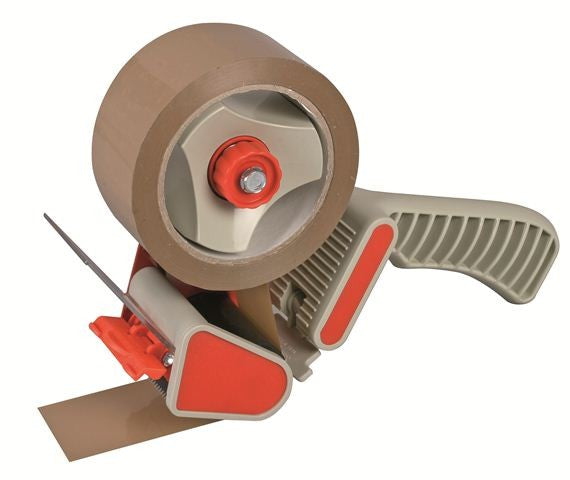
Tapes / Packing Tape (Popular)
-
50mmx150m - Clear E-Tape PlusRegular price From £2.63 GBPRegular priceUnit price per
-
50mmx150m - Brown/Buff E-Tape PlusRegular price From £2.63 GBPRegular priceUnit price per
-
50mmx150m - Brown/Buff Vinyl 'E-Tape'Regular price £0.00 GBPRegular priceUnit price per
-
50mmx150m - Clear 'E-Tape' - TwoRegular price From £2.02 GBPRegular priceUnit price per
-
50mmx150m White Vinyl 'E-Tape'Regular price £0.00 GBPRegular priceUnit price per
-
50mmx150m - Clear Vinyl 'E-Tape'Regular price £0.00 GBPRegular priceUnit price per
-
50mmx150m - Clear LowNoise/LN 'E-Tape'Regular price £0.00 GBPRegular priceUnit price per
-
50mmx150m - Brown/Buff LowNoise/LN 'E-Tape'Regular price £0.00 GBPRegular priceUnit price per
-
50mmx150m - White PVC 'E-Tape' - Printed in 2 ColoursRegular price From £5.58 GBPRegular priceUnit price per
-
50mmx150m - White 'E-Tape' - Printed in 2 ColoursRegular price From £4.18 GBPRegular priceUnit price per
-
50mmx150m - Fragile 'E-Tape' - PlusRegular price From £1.88 GBPRegular priceUnit price per
-
50mmx150m - Brown/Buff 'E-Tape' - TwoRegular price From £2.02 GBPRegular priceUnit price per
-
50mmx150m - White 'E-Tape' - One - Printed in 3 ColoursRegular price £0.00 GBPRegular priceUnit price per
-
50mmx150m Orange E-Tape PrintedRegular price From £6.17 GBPRegular priceUnit price per
-
50mmx150m - Clear 'E-Tape' - OneRegular price From £2.56 GBPRegular priceUnit price per
-
50mmx150m - Brown/Buff 'E-Tape' - OneRegular price From £113.34 GBPRegular priceUnit price per
-
48mmx66m - White LowNoise/LN Tape - Printed 1 ColourRegular price From £55.75 GBPRegular priceUnit price per
-
48mmx66m - White LowNoise/LN DENVA TapeRegular price From £1.94 GBPRegular priceUnit price per
-
50mmx66m - Clear LowNoise/LN 'Vibac' TapeRegular price From £1.65 GBPRegular priceUnit price per
-
50mmx66m - Brown/Buff LowNoise/LN 'Vibac' TapeRegular price From £1.50 GBPRegular priceUnit price per
-
48mmx66m - Clear LowNoise/LN DENVA TapeRegular price From £26.10 GBPRegular priceUnit price per
-
48mmx66m - Brown/Buff LowNoise/LN DENVA Tape 45micRegular price From £1.29 GBPRegular priceUnit price per


Tapes / Packing Tape (Popular)
- 3M Masking Tape
- E-tape 150Meter (Popular)
- Low Noise Silent
- Polypropylene (Popular)
- Printed
- PVC (Vinyl)
Packing Tape (Popular) for Carton Sealing & Everyday Dispatch
Packing tape is the final “closure” step in most shipping and storage workflows. The right tape helps keep carton flaps closed through handling, vibration, stacking, and temperature changes, while also supporting clean presentation and efficient packing. This category focuses on popular carton-sealing tapes used for general packaging, including long-length rolls for high-throughput environments and low-noise options for quieter application.
On this page you’ll find a practical mix of clear and brown/buff carton sealing tapes, plus specialist variants such as low-noise film and printed warning/identification styles. Many items in this range are supplied in common widths around 48–50mm and in lengths such as 66m and 150m, which are widely used with handheld tape dispensers.
Packing Tape (Popular) — Helpful Guide
This guide explains the main tape types shown in this collection and how to match them to your cartons, packing speed, and working environment. Where relevant, product names below link directly to the matching product pages already listed in this category.
1) Long-length carton sealing tape (150m rolls)
Long-length rolls reduce changeovers and are often chosen for busy packing benches, mail order operations, and warehouse dispatch. They’re especially useful when you’re sealing many cartons per shift or when you want fewer interruptions during packing.
-
50mmx150m - Clear E-Tape Plus
Clear long-length tape for general carton sealing where visibility of labels and markings matters. -
50mmx150m - Brown/Buff E-Tape Plus
Brown/buff long-length tape commonly used on kraft cartons to create a consistent, tidy finish. -
50mmx150m - Clear 'E-Tape' - Two
A clear 150m option suited to everyday sealing tasks and routine dispatch. -
50mmx150m - Brown/Buff 'E-Tape' - Two
A brown/buff 150m option for standard carton sealing and storage boxes. -
50mmx150m - Clear 'E-Tape' - One
Clear 150m tape for general-purpose sealing where a transparent finish is preferred. -
50mmx150m - Brown/Buff 'E-Tape' - One
Brown/buff 150m tape for sealing cartons where a non-transparent finish is preferred.
When to choose 150m rolls: If you’re sealing many cartons, long-length rolls can reduce downtime. They can also help standardise packing because operators spend less time swapping rolls.
2) Low-noise packing tape (quieter unwind)
Low-noise tape is designed to unwind more quietly than standard film tapes. This can improve comfort in offices, retail backrooms, and shared workspaces, and it can be helpful for early-morning or customer-facing packing areas. Low-noise tapes are also often chosen when you want smoother, more controlled dispensing.
-
48mmx66m - Clear LowNoise/LN DENVA Tape
Clear low-noise tape for routine carton sealing with reduced unwind noise. -
48mmx66m - Brown/Buff LowNoise/LN DENVA Tape 45mic
Brown/buff low-noise tape with a stated 45 micron film thickness, useful where a slightly more robust film is desired. -
50mmx66m - Clear LowNoise/LN 'Vibac' Tape
Clear low-noise tape in a common 50mm width for general sealing. -
50mmx66m - Brown/Buff LowNoise/LN 'Vibac' Tape
Brown/buff low-noise tape for cartons where a coloured seal is preferred. -
48mmx66m - White LowNoise/LN DENVA Tape
White low-noise tape for colour-coding, identification, or a clean, high-contrast seal. -
48mmx66m - White LowNoise/LN Tape - Printed 1 Colour
Printed low-noise tape for identification or messaging on sealed cartons.
When to choose low-noise: If noise is a concern, or if you want a smoother unwind for consistent application, low-noise tape can be a practical upgrade without changing your overall packing method.
3) Vinyl/PVC-style packing tape (durable film feel)
Vinyl/PVC packing tapes are often selected when users want a tougher, more conformable film feel and strong performance on a range of carton surfaces. They can be useful where cartons may be handled frequently or where a more resilient tape is preferred.
-
50mmx150m - Clear Vinyl 'E-Tape'
Clear vinyl-style long-length tape for carton sealing where a durable film feel is preferred. -
50mmx150m - Brown/Buff Vinyl 'E-Tape'
Brown/buff vinyl-style long-length tape for consistent sealing on kraft cartons. -
50mmx150m White Vinyl 'E-Tape'
White vinyl-style long-length tape for colour-coding or high-contrast sealing.
4) Printed packing tape (identification & handling messages)
Printed tape helps communicate handling instructions or identify cartons quickly. It can support warehouse organisation, reduce misroutes, and make it easier to spot priority or fragile shipments. Printed tape is also commonly used to discourage tampering by making resealing more obvious.
-
50mmx150m - Fragile 'E-Tape' - Plus
Printed “Fragile” style tape for cartons containing breakable items or where careful handling is required. -
50mmx150m Orange E-Tape Printed
High-visibility printed tape for quick identification on cartons. -
50mmx150m - White 'E-Tape' - Printed in 2 Colours
Printed white tape for clear visibility of messaging on sealed cartons. -
50mmx150m - White PVC 'E-Tape' - Printed in 2 Colours
Printed PVC-style tape for identification where a tougher film feel is preferred. -
50mmx150m - White 'E-Tape' - One - Printed in 3 Colours
Multi-colour printed tape for prominent carton messaging and easy recognition.
Case Study: Reducing Packing Interruptions on a Busy Dispatch Bench
A small dispatch team sealing mixed-size cartons noticed that frequent roll changes and inconsistent sealing were slowing throughput. They standardised on long-length 150m rolls for most cartons and introduced low-noise tape for a shared office-adjacent packing area. The result was fewer changeovers, more consistent seals, and a quieter working environment during peak periods.
Key takeaway: Matching roll length and unwind characteristics to your packing environment can improve consistency and reduce avoidable interruptions—without changing cartons, labels, or packing layout.
How to Choose the Correct Packing Tape
Step 1: Confirm your carton surface and storage conditions
Most carton sealing tapes are designed for corrugated cardboard, but performance can vary with recycled content, dusty cartons, or cold storage. If cartons are stored in unheated areas, consider how temperature affects adhesion and tack. For challenging surfaces, test a short run before standardising.
Step 2: Choose the right width
Widths around 48–50mm are common for carton sealing because they cover the centre seam effectively and fit standard handheld dispensers. Wider tapes can add coverage, while narrower tapes may be used for lighter cartons or smaller boxes.
Step 3: Decide on roll length based on throughput
- 66m rolls are common for general use and are widely compatible with standard dispensers.
- 150m rolls reduce roll changes and are often preferred for higher-volume packing.
Step 4: Consider noise and operator comfort
If packing happens near customers, in offices, or in shared spaces, low-noise tape can make a noticeable difference. It can also help reduce the “jerky” feel some users experience with louder, higher-friction unwinds.
Step 5: Pick a colour/print strategy for identification
Clear tape keeps labels and barcodes visible. Brown/buff tape blends with kraft cartons and can look tidy on standard shipping boxes. White or coloured/printed tapes can support zone picking, returns processing, or special handling workflows.
Application Tips for Stronger Seals
- Use consistent pressure: After applying tape, run a hand or squeegee along the tape to improve contact with the carton surface.
- Seal the centre seam fully: For standard cartons, apply tape along the main seam and extend onto both panels for a secure bond.
- Use the “H-taping” method for heavier cartons: Tape the centre seam plus the two edge seams to reinforce the closure.
- Keep cartons clean and dry: Dust, moisture, and oils reduce adhesion. If cartons are cold, allow them to acclimatise where possible.
- Match tape to dispenser: Ensure the roll width and core size suit your handheld dispenser for smooth, straight application.
Common Mistakes to Avoid
- Under-taping heavy cartons: If cartons are heavy or stacked, consider stronger tape, better technique (e.g., H-taping), or both.
- Applying tape to dusty recycled cartons without pressure: Recycled cartons can be more fibrous; firm pressure improves bonding.
- Using the wrong tape for cold environments: Adhesives can behave differently at low temperatures; test before committing to large runs.
- Ignoring unwind noise in shared spaces: Low-noise tape can reduce disruption without changing packing steps.
Quick Reference: What the Product Names Tell You
- 48mm / 50mm: Tape width (common carton sealing widths).
- 66m / 150m: Roll length (longer rolls reduce changeovers).
- Clear / Brown(Buff) / White: Colour choice for visibility and presentation.
- LowNoise/LN: Designed for quieter unwind.
- Printed: Includes messaging or identification to support handling and sorting.
Questions & Answers
What is the difference between 66m and 150m packing tape rolls?
Roll length mainly affects how often you need to change rolls. 66m rolls are common for general use and standard dispensers. 150m rolls reduce changeovers and can improve packing flow in higher-volume environments, while keeping the same basic sealing method.
When should I choose low-noise packing tape?
Low-noise tape is useful when packing happens in offices, retail backrooms, or shared workspaces where loud unwind is disruptive. It can also help operators apply tape more smoothly and consistently, especially during repetitive sealing tasks across many cartons.
Is clear or brown/buff tape better for carton sealing?
Neither is universally better; it depends on your workflow. Clear tape keeps labels and markings visible and suits mixed carton colours. Brown/buff tape blends with kraft cartons for a uniform look and can help conceal the seam on standard shipping boxes.
How can I make carton seals stronger without changing tape type?
Improve technique first: apply tape to clean, dry cartons; use firm pressure along the full length; and extend tape beyond the seam onto both panels. For heavier cartons, use the H-taping method by sealing the centre seam and both edge seams.
What does “micron” (e.g., 45 mic) mean on packing tape?
Micron (µm) is a measure of film thickness. Thicker films can be more resistant to tearing and may feel more robust during application. Thickness alone doesn’t determine performance, so consider carton weight, handling conditions, and application method together.
Packing Tape (Popular) — Quick Overview
Packing tape is the final “closure” step that keeps cartons, mailers, and bundled items secure through handling, storage, and transport. This collection focuses on commonly used carton-sealing and general-purpose tapes, including long-length 150m rolls, low-noise options for quieter packing areas, and vinyl/PVC variants for specific handling needs. The products shown on this page include multiple colours and print options, with roll sizes such as 50mm x 150m and 48–50mm x 66m appearing across the range.
Packing Tape (Popular) — Helpful Guide
Choosing the right packing tape is mostly about matching three things: the surface you’re sticking to (clean cardboard, recycled board, film, etc.), the conditions (temperature, dust, humidity, storage time), and the way the carton will be handled (light parcels vs. heavier boxes, single-strip vs. H-taping). Below is a practical guide to the main tape types represented in this category and how they’re typically used.
1) Long-length carton sealing tape (150m rolls)
Long-length rolls are designed to reduce changeovers on the packing bench. They’re commonly used for repetitive carton sealing where consistent application matters. In this collection, the 150m format appears across clear, brown/buff, printed, and low-noise variants.
-
50mmx150m - Clear E-Tape Plus
Clear 150m roll suited to general carton sealing where you want the box markings to remain visible. -
50mmx150m - Brown/Buff E-Tape Plus
Brown/buff 150m roll often chosen for kraft cartons or where you prefer an opaque seal line. -
50mmx150m - Clear 'E-Tape' - Two
Clear 150m option for everyday sealing tasks and routine dispatch packing. -
50mmx150m - Brown/Buff 'E-Tape' - Two
Brown/buff 150m option for standard carton sealing and warehouse packing. -
50mmx150m - Clear 'E-Tape' - One
Clear 150m roll for general-purpose sealing where long roll length helps maintain throughput. -
50mmx150m - Brown/Buff 'E-Tape' - One
Brown/buff 150m roll for routine carton closure and consistent sealing lines.
When long-length rolls help most: high-volume packing, multiple cartons per hour, or when you want fewer tape changes during a shift. If you’re using a hand dispenser, ensure it’s compatible with the roll length and core size you’re buying.
2) Low-noise (silent unwind) packing tape
Low-noise tape is engineered to unwind more quietly than standard carton tape. This can reduce noise fatigue in busy packing areas and is often preferred for offices, retail backrooms, and shared workspaces. Low-noise tape can also feel smoother during application, which helps with controlled placement on cartons.
-
48mmx66m - Clear LowNoise/LN DENVA Tape
Clear low-noise roll in a common 66m length for everyday carton sealing. -
48mmx66m - Brown/Buff LowNoise/LN DENVA Tape 45mic
Brown/buff low-noise option; the listing indicates a 45 micron film thickness, a useful reference point when comparing robustness. -
48mmx66m - White LowNoise/LN DENVA Tape
White low-noise tape for colour-coding, identification, or where a high-contrast seal line is helpful. -
50mmx66m - Clear LowNoise/LN 'Vibac' Tape
Clear low-noise tape in a 50mm width for standard sealing patterns. -
50mmx66m - Brown/Buff LowNoise/LN 'Vibac' Tape
Brown/buff low-noise tape for cartons where an opaque seal line is preferred. -
48mmx66m - White LowNoise/LN Tape - Printed 1 Colour
Printed low-noise tape can support identification and handling instructions while keeping unwind noise down.
Practical tip: low-noise tapes are often chosen for comfort and workflow, but you should still match the tape to carton weight and storage conditions. If cartons are stored in cold areas or shipped in winter conditions, test adhesion on your specific board before committing to a large run.
3) Vinyl / PVC packing tape (150m rolls)
Vinyl/PVC tapes are typically valued for their toughness, conformability, and controlled unwind. They can be a good fit where cartons may be handled roughly, where you want a tape that resists splitting, or where a more “premium feel” and consistent application is important. This page includes vinyl “E-Tape” variants in multiple colours.
-
50mmx150m - Clear Vinyl 'E-Tape'
Clear vinyl tape in a long 150m roll for extended packing runs. -
50mmx150m - Brown/Buff Vinyl 'E-Tape'
Brown/buff vinyl tape for cartons where you want an opaque seal line. -
50mmx150m White Vinyl 'E-Tape'
White vinyl tape for colour-coding, identification, or high-contrast sealing.
Where vinyl/PVC can be useful: applications needing a tape that conforms well around edges and corners, or where consistent unwind and handling are priorities. As always, confirm compatibility with your dispenser and test on your carton board type.
4) Printed packing tape (identification and handling)
Printed tape is often used to communicate handling instructions, support internal identification, or help distinguish shipments. It can also reduce the need for separate labels in some workflows (while still keeping shipping labels and compliance markings separate where required).
-
50mmx150m - Fragile 'E-Tape' - Plus
Printed “Fragile” tape for clear handling communication on cartons. -
50mmx150m Orange E-Tape Printed
High-visibility printed tape that stands out on cartons and pallets. -
50mmx150m - White 'E-Tape' - Printed in 2 Colours
Two-colour print on white tape for clear contrast and readability. -
50mmx150m - White PVC 'E-Tape' - Printed in 2 Colours
Two-colour print on a PVC/vinyl base for applications where a vinyl tape is preferred. -
50mmx150m - White 'E-Tape' - One - Printed in 3 Colours
Three-colour print option for more complex identification or messaging needs.
Good practice: printed tape can help with handling, but it should not be relied on as the only protection for fragile goods. Use appropriate internal cushioning and choose a carton strength that matches the product weight and drop risk.
Case Study: Reducing Packing Errors in a Mixed-SKU Dispatch Area
A small dispatch team handling mixed product sizes often faces two recurring issues: cartons sealed inconsistently (leading to occasional edge lifting) and mis-sorted parcels when multiple carriers or service levels are used. A practical approach is to standardise the sealing method and introduce simple visual cues.
- Standardise the seal: adopt a consistent “H-tape” pattern for heavier cartons and a single centre strip for lighter cartons, using a long-length roll such as 50mmx150m - Clear E-Tape Plus or 50mmx150m - Brown/Buff E-Tape Plus to reduce roll changes.
- Improve working conditions: switch high-frequency bench sealing to low-noise tape (for example 48mmx66m - Clear LowNoise/LN DENVA Tape) to reduce constant unwind noise in shared spaces.
- Add visual differentiation: use a high-visibility printed tape such as 50mmx150m Orange E-Tape Printed for one dispatch stream (e.g., priority or internal transfers) while keeping standard shipments on clear or buff tape.
The outcome is typically fewer sealing inconsistencies (because the method is repeatable), fewer interruptions (because long rolls reduce changeovers), and fewer sorting mistakes (because the tape colour/print provides an immediate visual check).
How to Choose the Correct Packing Tape
Step 1: Match tape width to your sealing method
Most carton sealing uses ~48–50mm wide tape. Wider tape can increase coverage on rough cartons, while standard widths work well for most boxes. The products on this page commonly use 48mm or 50mm widths, such as 48mmx66m - Clear LowNoise/LN DENVA Tape and 50mmx150m - Clear E-Tape Plus.
Step 2: Choose roll length based on throughput
- 150m rolls: fewer roll changes; useful for higher-volume packing lines (e.g., 50mmx150m - Clear 'E-Tape' - One).
- 66m rolls: common general-purpose length; convenient for mixed use and smaller packing stations (e.g., 50mmx66m - Brown/Buff LowNoise/LN 'Vibac' Tape).
Step 3: Consider carton surface and storage conditions
Cardboard quality varies widely. Recycled cartons can be dustier and more porous, which may reduce adhesion. Cold temperatures can also reduce initial tack. If your cartons are stored in unheated areas, test tape performance on the coldest expected carton temperature and consider using a more robust tape construction where needed.
Step 4: Decide whether you need low-noise unwind
If packing happens near offices, customer-facing areas, or in a shared workspace, low-noise tape can make a noticeable difference. Options on this page include clear, buff, and white low-noise tapes such as 48mmx66m - White LowNoise/LN DENVA Tape.
Step 5: Use printed tape for process control (not as a substitute for protection)
Printed tape can help communicate handling instructions and reduce sorting errors. For example, 50mmx150m - Fragile 'E-Tape' - Plus provides a clear message on the carton. However, the protective performance still depends on the carton, internal cushioning, and correct sealing technique.
Application Tips for Better Seals
- Clean contact area: brush away dust from carton flaps before sealing, especially on recycled board.
- Use firm pressure: pressure-sensitive tapes bond best when pressed down firmly along the full length.
- Seal the edges: pay attention to the first and last 50–75mm of tape where lifting often starts.
- Choose the right pattern: for heavier cartons, use an “H” seal (centre seam plus both edge seams).
- Store tape correctly: keep rolls in a clean, dry area away from direct heat sources and sunlight to maintain consistent unwind and adhesion.
Common Use Scenarios
Warehouse dispatch
For repetitive carton sealing, long-length rolls such as 50mmx150m - Brown/Buff E-Tape Plus can reduce downtime from roll changes. If the packing area is busy and noisy, consider low-noise options like 48mmx66m - Clear LowNoise/LN DENVA Tape for improved working comfort.
Retail backroom and office packing
Low-noise tapes are often preferred where packing happens near staff or customers. White or printed tapes can also help with quick identification, such as 48mmx66m - White LowNoise/LN DENVA Tape or 50mmx150m Orange E-Tape Printed.
Colour-coding and internal routing
Using different tape colours or prints can support internal routing (e.g., returns, transfers, priority dispatch). Vinyl options like 50mmx150m White Vinyl 'E-Tape' and printed options like 50mmx150m - White 'E-Tape' - Printed in 2 Colours can provide clear visual differentiation.
Q&A
What’s the difference between 150m and 66m packing tape rolls?
150m rolls are longer and typically reduce how often you need to change rolls during packing, which can help in higher-volume workflows. 66m rolls are a common general-purpose length and can be convenient for mixed tasks or smaller packing stations.
When should I choose low-noise packing tape?
Low-noise tape is useful when packing happens in shared or quieter environments, such as offices, retail backrooms, or customer-facing areas. It unwinds more quietly than standard tape, which can reduce noise fatigue while still supporting routine carton sealing.
Is vinyl/PVC packing tape better than standard packing tape?
Vinyl/PVC tapes are often chosen for toughness, controlled unwind, and good conformability around edges and corners. Whether it’s “better” depends on your cartons, handling conditions, and dispenser setup. Testing on your packaging materials is the most reliable way to decide.
How can I reduce tape lifting on carton edges?
Start by sealing clean, dry carton surfaces and applying firm pressure along the full tape length. Pay extra attention to the first and last section of tape where lifting begins. For heavier cartons, use an H-seal pattern to reinforce edges and seams.
Does printed tape replace protective packaging inside the box?
No. Printed tape can communicate handling instructions and help with identification, but it doesn’t prevent movement or impact damage inside the carton. Use appropriate void fill or cushioning, choose a suitable box strength, and apply a consistent sealing method for best results.