
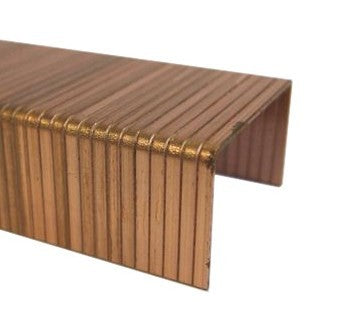
Equipment / Stationary / Staples
-
73/8 - StaplesRegular price From £4.70 GBPRegular priceUnit price per
-
16mm - SB103020 StaplesRegular price From £7.43 GBPRegular priceUnit price per
-
12mm - SB103020 StaplesRegular price From £7.43 GBPRegular priceUnit price per
-
12.7/12 - Galvanised StaplesRegular price From £12.54 GBPRegular priceUnit price per
-
73/12 - StaplesRegular price From £5.48 GBPRegular priceUnit price per
-
66/6 (Auto) - StaplesRegular price From £2.49 GBPRegular priceUnit price per
-
53/10 - StaplesRegular price From £4.97 GBPRegular priceUnit price per
-
32/18 - StaplesRegular price From £7.38 GBPRegular priceUnit price per
-
32/15 - StaplesRegular price From £9.12 GBPRegular priceUnit price per
-
26/6, - StaplesRegular price From £1.50 GBPRegular priceUnit price per
-
21/4 - Bambi - StaplesRegular price £0.00 GBPRegular priceUnit price per
-
140/6 - StaplesRegular price From £2.49 GBPRegular priceUnit price per
-
140/12 - StaplesRegular price From £2.49 GBPRegular priceUnit price per
-
140/10 - StaplesRegular price From £2.49 GBPRegular priceUnit price per
-
13/6 - StaplesRegular price From £2.49 GBPRegular priceUnit price per
-
13/8 - StaplesRegular price From £4.97 GBPRegular priceUnit price per


Equipment / Stationary / Staples
Equipment, stationery and staples are the small consumables that keep packing benches, offices, and dispatch areas running smoothly. In practice, “staples” covers several staple systems (different wire gauges and crown widths) designed for everything from everyday paperwork to heavier-duty fastening tasks such as closing cartons or securing thicker stacks. This guide explains the staple codes in this collection, what they’re typically used for, and how to choose the right size for consistent, jam-free results.
Equipment / Stationary / Staples — Helpful Guide
Staple naming can look confusing at first, but most codes follow a simple pattern: the first number identifies the staple series (which relates to crown width and wire format), and the second number is usually the leg length in millimetres. For example, 73/8 is a 73-series staple with an 8 mm leg, while 140/12 is a 140-series staple with a 12 mm leg. Matching the series to your stapler/tacker is essential; changing only the leg length within the same series is often possible, but swapping series generally is not.
Staple types in this category
-
Office and general-purpose stapler staples — Typically used for paper, labels, and light card. These staples are designed to clinch neatly and reduce misfeeds when used with the correct stapler.
- 26/6, - Staples — A common general-purpose size for everyday stapling where a moderate leg length is sufficient for typical paper stacks.
- 21/4 - Bambi - Staples — A shorter-leg option suited to thinner stacks where you want a tidy clinch without excessive leg length.
- 66/6 (Auto) - Staples — A 66-series staple with a 6 mm leg, often used in compatible staplers designed around this series.
-
Fine-wire / upholstery-style staple systems — Often chosen when you need a cleaner, less intrusive fastener profile in softer materials or where appearance matters. Always confirm compatibility with your tool’s specified series.
- 73/8 - Staples — 73-series with an 8 mm leg; useful when you need a bit more penetration than shorter legs while keeping the same staple family.
- 73/12 - Staples — 73-series with a 12 mm leg; selected when fastening through thicker layers or into denser substrates (within the limits of the tool and material).
-
Heavy-duty / flat-wire tacker staples — Flat-wire staples spread load over a wider area, which can help reduce tearing in sheet materials. These are commonly used for heavier fastening tasks in workshops and industrial settings.
- 140/6 - Staples — 140-series with a 6 mm leg; a shorter option for thinner materials where you still want the stability of a flat-wire staple.
- 140/12 - Staples — 140-series with a 12 mm leg; chosen when you need deeper penetration while staying within the 140-series system.
- 53/10 - Staples — 53-series with a 10 mm leg; often used in compatible tackers for fastening light-to-medium materials.
-
Carton closing / packaging staples — Designed for closing corrugated cartons with dedicated carton staplers. These staples are not interchangeable with office staplers and are selected based on board thickness and the stapler’s specified staple code.
- 12mm - SB103020 Staples — A carton-staple option with a 12 mm leg length for compatible carton staplers.
- 16mm - SB103020 Staples — A carton-staple option with a 16 mm leg length for thicker corrugated board or multi-layer closures (tool compatibility required).
- 12.7/12 - Galvanised Staples — Galvanised (zinc-coated) staples with a 12 mm leg, offering improved corrosion resistance in humid storage or transit environments.
-
Long-leg staples for thicker stacks — When you’re fastening thicker bundles, longer legs can help achieve a secure clinch. Ensure your stapler is rated for the leg length and stack thickness.
- 32/15 - Staples — 32-series with a 15 mm leg; suited to thicker stacks where shorter legs may not clinch reliably.
- 32/18 - Staples — 32-series with an 18 mm leg; used when maximum penetration is needed within the 32-series system.
Understanding staple codes (series vs. leg length)
Two staples can share the same leg length but still be incompatible because the series differs. The series determines key dimensions such as crown width and wire gauge, which must match the stapler’s magazine and driver blade. Leg length then determines how far the staple penetrates the material before clinching (or before the legs are turned inward by the anvil in a paper stapler).
As a practical rule: choose the correct series first (based on your tool), then choose the shortest leg length that reliably clinches through your material stack. Using an unnecessarily long leg can increase the chance of poor clinching, bent legs, or snagging.
Common applications for staples in packing and office environments
1) Dispatch paperwork and document sets
For invoices, delivery notes, and pick lists, general-purpose staples are typically sufficient. Shorter legs can produce a flatter, neater clinch and reduce bulk in document packs. If you frequently staple thicker multi-page sets, stepping up to a longer-leg staple within the correct series can improve hold.
2) Labels, tags, and light card
When stapling labels or tags to light card, consistency matters more than maximum penetration. A staple that is too long can protrude or deform the material. Choose a staple series and leg length that matches the combined thickness and the stapler’s intended use.
3) Carton closing and corrugated packaging
Carton staples are used with dedicated carton staplers to close corrugated boxes quickly. Selection depends on corrugated board thickness, the number of layers at the closure, and the tool’s specified staple code. In general, thicker board or multi-layer closures may require longer legs to achieve a secure set.
4) Workshop fastening (sheet materials and assemblies)
Flat-wire and tacker staples are often used for fastening sheet materials where you want the crown to distribute load and reduce tearing. The correct leg length depends on the thickness of the material and the substrate you’re fastening into. Always test on an offcut to confirm penetration and holding strength.
How to choose the correct staples
Step 1: Confirm your tool’s staple series
Check the stapler/tacker label, manual, or the markings on the magazine. The series (e.g., 73, 140, 53, 32, 26, 66, SB103020) must match. If the series is wrong, even a staple that “looks close” can cause misfeeds, jams, or driver damage.
Step 2: Measure your material thickness
For paper stacks, count sheets and consider paper weight; for packaging, consider corrugated flute and the number of layers at the closure. As a general approach, choose a leg length that penetrates through the stack and still allows proper clinching or forming. Too short: weak hold. Too long: poor clinch or protrusion.
Step 3: Consider the environment (corrosion and storage)
If staples may be exposed to humidity, condensation, or long storage, galvanised staples can help reduce corrosion. Corrosion can weaken the staple over time and may stain adjacent materials. For dry, indoor office use, standard finishes are often adequate.
Step 4: Match staple strength to the job
Heavier fastening tasks generally benefit from staple systems designed for higher holding power (often heavier wire or flat-wire formats). For delicate materials, a finer wire can reduce visible impact. The goal is a secure hold without crushing, tearing, or deforming the material.
Step 5: Run a quick test and inspect the set
Before committing to a large run, staple a few samples and inspect the result. Look for: clean penetration, consistent clinch/form, no bent legs, and no tearing. If you see frequent jams, check staple series compatibility, staple quality, and whether the tool needs cleaning or adjustment.
Troubleshooting: common stapling problems
- Staples jamming frequently: Often caused by using the wrong series, damaged staples, or debris in the magazine. Confirm the series and clean the tool.
- Staples not clinching/closing properly: Leg length may be too long for the stack, or the anvil setting may be incorrect (for office staplers). Try a shorter leg length or adjust the anvil if available.
- Staples bending or splaying: Can occur when the substrate is too hard, the leg length is too long, or the tool is worn. Test a shorter leg or verify the tool is rated for the material.
- Staples tearing material: Consider a different staple system (e.g., flat-wire for sheet materials) or reduce leg length and driving force where possible.
Case study: reducing carton rework by matching staple leg length to board thickness
A dispatch team closing mixed-size cartons noticed occasional “spring-back” at the closure and inconsistent staple formation. The root cause was variation in corrugated thickness at the overlap: some cartons had a single-layer closure while others had a reinforced multi-layer fold. By standardising the closure method and selecting a carton staple leg length that reliably formed through the thickest overlap, they reduced rework and improved closure consistency. The key takeaway is to choose staples based on the thickest realistic closure condition, not the average.
Best practices for storage and handling
- Keep staples dry: Moisture can lead to corrosion and feeding issues.
- Store by series and leg length: Clear labelling reduces the risk of loading the wrong staples into a tool.
- Avoid mixing partial strips: Mixed or damaged strips can increase misfeeds.
- Maintain tools: Periodic cleaning and inspection of the magazine and driver helps maintain consistent performance.
Q&A
What does a staple size like 73/8 or 140/12 mean?
The first number usually identifies the staple series (which relates to crown width and wire format), and the second number is typically the leg length in millimetres. A 73/8 staple is a 73-series staple with an 8 mm leg, while 140/12 is a 140-series staple with a 12 mm leg.
Can I use the same leg length in a different staple series if it fits in the magazine?
No. Even if a staple strip seems to fit, different series can have different crown widths and wire gauges, which must match the stapler’s driver blade and magazine geometry. Using the wrong series can cause jams, poor staple formation, or tool wear. Always match the series specified for your tool.
How do I choose the right leg length for my material thickness?
Choose the shortest leg length that reliably penetrates the full stack and forms correctly. If the leg is too short, the staple may not hold securely; if it’s too long, it may not clinch properly or may protrude. Testing a few samples on your actual materials is the most reliable method.
When should I use galvanised staples instead of standard staples?
Galvanised staples have a zinc coating that improves corrosion resistance. They’re useful when staples may be exposed to humidity, condensation, or long storage where rust could weaken the staple or stain materials. For dry, indoor office use, standard staples are often sufficient if stored properly.
Why do carton closing staples differ from office staples?
Carton closing staples are designed for corrugated board and are used with dedicated carton staplers. They’re selected based on board thickness and the stapler’s specified staple code, and they form differently than office staples. Office staples are intended for paper stacks and won’t reliably close cartons.