
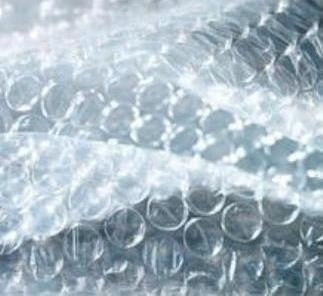
Protective / Bubble Wrap / Bubble Wrap - Ex Large
-
750x50 - Airsafe 25 Ex.Large Bubble WrapRegular price From £17.10 GBPRegular priceUnit price per
-
600x50 - Airsafe 25 Ex.Large Bubble WrapRegular price From £13.50 GBPRegular priceUnit price per
-
500x50 - Airsafe 25 Ex.Large Bubble WrapRegular price From £12.29 GBPRegular priceUnit price per
-
300x50 - Airsafe 25 Ex.Large Bubble WrapRegular price From £6.94 GBPRegular priceUnit price per


Protective / Bubble Wrap / Bubble Wrap - Ex Large
Extra Large Bubble Wrap for Protective Packaging
Extra large bubble wrap is designed for cushioning and surface protection when you need deeper shock absorption than small-bubble films. This collection includes Airsafe 25 extra large bubble wrap rolls in multiple roll widths, making it easier to match the wrap to the size and weight of the item you’re packing.
Extra large bubbles (commonly around 25 mm diameter) create larger air pockets that help absorb impacts and vibration during handling and transit. This makes them a practical choice for protecting bulkier, heavier, or more fragile items where small bubbles can compress too quickly.
Bubble Wrap - Ex Large — Helpful Guide
Below is a practical guide to the extra large bubble wrap options in this category, along with quick notes on when each roll size is typically used.
Type: Extra Large Bubble Wrap Rolls (Airsafe 25)
-
750x50 - Airsafe 25 Ex.Large Bubble Wrap
Wider roll format suited to wrapping larger cartons, furniture components, and bulky items. A wider sheet can reduce seams and taping time when covering broad surfaces. -
600x50 - Airsafe 25 Ex.Large Bubble Wrap
A versatile mid-width roll for general protective wrapping. Often chosen when you need substantial cushioning but want easier handling than the widest rolls. -
500x50 - Airsafe 25 Ex.Large Bubble Wrap
A manageable width for bench packing and smaller cartons. Useful for wrapping individual items and lining cartons without excessive trimming. -
300x50 - Airsafe 25 Ex.Large Bubble Wrap
Narrow roll format for smaller parcels, corner protection, and targeted cushioning. Helps reduce waste when wrapping compact items or filling small voids.
Where Extra Large Bubble Wrap Works Best
- Heavier or bulkier items: Larger air cells provide deeper cushioning and can help reduce the risk of impact damage.
- Void fill and blocking: Extra large bubbles can be layered to stabilize items inside cartons and reduce movement.
- Surface protection for large faces: Useful for protecting panels, housings, and finished surfaces from scuffs during handling.
- Multi-wrap protection: For high-risk shipments, multiple layers can be applied without creating an overly rigid wrap.
Case Study: Reducing Transit Damage on Bulky Fragile Goods
A packer shipping bulky, fragile items (for example, large decorative pieces or equipment housings) often finds that small-bubble wrap compresses quickly at corners and edges. Switching to extra large bubble wrap can improve shock absorption at impact points. In practice, the best results come from combining correct wrap orientation, sufficient overlap, and a snug carton fit so the item cannot shift.
In a typical packing workflow, the item is first wrapped to protect the surface, then additional layers are added at corners and protrusions. The wrapped item is placed into a carton with minimal free space; any remaining voids are filled so the item stays immobilized. This approach helps reduce both abrasion (from movement) and impact damage (from drops and knocks).
How to Choose the Correct Extra Large Bubble Wrap
Choosing the right roll is mostly about matching roll width, item size, and handling efficiency. Use the checklist below to select the most suitable option.
1) Match roll width to the item and carton
- Large faces / wide cartons: A wider roll (e.g., 750 mm) can cover more area per wrap, reducing seams and tape lines.
- General packing benches: Mid widths (e.g., 600 mm or 500 mm) are easier to control and cut, especially for mixed item sizes.
- Small parcels and targeted protection: Narrow widths (e.g., 300 mm) reduce trimming waste and are convenient for corner builds and small cartons.
2) Decide how much cushioning you need
Extra large bubbles are commonly used when you need deeper cushioning than small or medium bubbles. Larger bubbles can help with shock absorption for heavier items and can also be layered to build up protection at vulnerable points. If you’re unsure, start with enough layers to prevent the item from contacting the carton walls, then add reinforcement at corners and edges.
3) Consider wrap orientation and layering
- Bubble side in vs out: Many packers place bubbles toward the item for cushioning and to help reduce movement; for delicate finishes, consider a protective layer between the item and the film if needed.
- Overlap: Overlap each pass so there are no exposed edges, especially around corners.
- Reinforce protrusions: Add extra layers around handles, feet, corners, and any sharp edges that could puncture the film.
4) Control movement inside the carton
Bubble wrap cushions impacts, but it works best when the packed item cannot shift. Choose a carton that fits the wrapped item closely and fill remaining voids. Movement inside the carton can cause abrasion and can concentrate impacts on a single point.
Packing Tips for Better Protection
- Cut cleanly and consistently: Use a safety cutter or bench cutter to reduce jagged edges and improve wrap consistency.
- Use enough tape to hold tension: Secure the wrap so it stays tight during handling, but avoid crushing the bubbles.
- Build corner protection: Corners are common impact points. Add extra layers or create folded pads for corners and edges.
- Keep the wrap dry and clean: Store rolls away from heat and direct sunlight to help maintain film performance and reduce contamination.
- Test pack when changing formats: If you switch roll widths, do a quick trial pack to confirm you can wrap efficiently without excess waste.
Common Mistakes to Avoid
- Using too little wrap: A single layer may protect against scuffs but not against drops. Increase layers for heavier or fragile items.
- Leaving voids in the carton: Even well-wrapped items can be damaged if they move and strike the carton walls.
- Over-tightening: Pulling the wrap too tight can crush bubbles and reduce cushioning performance.
- Ignoring sharp edges: Sharp corners can puncture bubble film. Add extra layers or edge protection where needed.
Frequently Asked Questions
What is “extra large” bubble wrap used for?
Extra large bubble wrap is typically used for cushioning bulkier or heavier items that need deeper shock absorption. The larger air pockets can help reduce impact forces during handling and transit, and it can also be layered to build protection at corners and edges.
How do I choose the right roll width for my packing process?
Choose a roll width that matches the size of the items and cartons you pack most often. Wider rolls cover large surfaces faster with fewer seams, while narrower rolls reduce trimming waste and are easier to control for small parcels or targeted reinforcement.
How many layers of extra large bubble wrap should I use?
The right number of layers depends on item weight, fragility, and how tightly it fits in the carton. Use enough layers so the item cannot contact the carton walls, then add extra reinforcement at corners, edges, and protrusions where impacts are most likely.
Should the bubbles face toward the item or outward?
Many packers place the bubbles toward the item to maximize cushioning and reduce movement. For delicate finishes, consider adding a protective layer between the item and the film. The key is consistent overlap and secure wrapping without crushing bubbles.
Can extra large bubble wrap be used as void fill?
Yes. Extra large bubble wrap can be folded or layered to fill gaps and stabilize items inside cartons. It works best when used to prevent movement rather than to fill large empty spaces alone; combine it with a correctly sized carton for better protection.