
Equipment / Heat Sealers
-
300mm - Hand Opp. Heat SealerRegular price From £84.11 GBPRegular priceUnit price per
-
600mm - L-Sealer Spares KitRegular price From £46.83 GBPRegular priceUnit price per
-
450mm - L-Sealer Spares KitRegular price From £46.83 GBPRegular priceUnit price per
-
300mm - L-Sealer Spares KitRegular price From £46.83 GBPRegular priceUnit price per
-
800mm - L-Sealer With Unrolling DeviceRegular price From £216.00 GBPRegular priceUnit price per
-
600mm - L-Sealer With Unrolling DeviceRegular price From £216.00 GBPRegular priceUnit price per
-
300mm - L-Sealer With Unrolling DeviceRegular price From £216.00 GBPRegular priceUnit price per
-
800mm - Bar Sealer Spares KitRegular price From £46.83 GBPRegular priceUnit price per
-
600mm - Bar Sealer Spares KitRegular price From £46.83 GBPRegular priceUnit price per
-
450mm - Bar Sealer Spares KitRegular price From £46.83 GBPRegular priceUnit price per
-
600mm Bar Sealer With Unrolling DeviceRegular price From £216.00 GBPRegular priceUnit price per
-
500mm Bar Sealer With Unrolling DeviceRegular price From £216.00 GBPRegular priceUnit price per
-
450mm Bar Sealer With Unrolling DeviceRegular price From £216.00 GBPRegular priceUnit price per
-
150mm - Hand Held Heat SealerRegular price From £95.75 GBPRegular priceUnit price per
-
400mm - Hand Opp. Heat Sealer With CutterRegular price From £151.17 GBPRegular priceUnit price per
-
400mm - Hand Operated Heat Sealer (Eco)Regular price From £138.02 GBPRegular priceUnit price per
-
400mm - Hand Operated Heat SealerRegular price From £142.05 GBPRegular priceUnit price per
-
300mm - Hand Opp. Heat Sealer With CutterRegular price From £205.60 GBPRegular priceUnit price per
-
200mm - Hand Opp. Heat SealerRegular price From £58.19 GBPRegular priceUnit price per


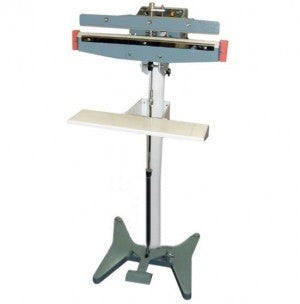
Heat sealers are used to seal products, packaging, and other thermoplastic materials using heat. This process involves melting the thermoplastic material and then fusing it together to create an airtight and watertight seal.
Equipment / Heat Sealers
Heat Sealers for Packaging: What They Do and Where They Fit
Heat sealers are used to close and create seals in thermoplastic packaging by applying controlled heat and pressure so the film layers fuse together. A properly made seal helps reduce leaks, improves tamper evidence, and supports efficient packing workflows. In this collection you’ll find manual and semi-automatic sealing equipment, plus maintenance spares that help keep sealing performance consistent over time.
Most packaging films used with these machines are heat-sealable plastics (for example polyethylene and polypropylene structures, as well as many laminated films that include a heat-seal layer). The goal is to deliver enough energy to melt the seal layer without scorching, cutting through, or distorting the film. Seal quality is influenced by temperature/energy, dwell time, pressure, and cooling time under pressure.
Equipment / Heat Sealers — Helpful Guide
This guide explains the main equipment types in this category and links to the specific products available on this page. Use it to match the right machine format (straight bar vs L-seal) and the right working length (e.g., 300mm, 450mm, 600mm, 800mm) to your packaging size and throughput needs.
1) Hand impulse heat sealers (manual tabletop)
Hand impulse sealers are a common choice for sealing pre-made bags at a packing bench. They typically heat only during the sealing cycle, which can be efficient for intermittent use. Choose a sealing length that comfortably spans your bag opening with a little clearance for alignment.
- 300mm - Hand Opp. Heat Sealer — A compact manual sealer suited to sealing smaller bag widths and short production runs where a simple, repeatable closure is needed.
2) Bar sealers with unrolling device (roll-fed straight sealing)
Bar sealers create a straight seal and are often used for bag making from roll stock, sealing long openings, or repetitive sealing where consistent film feed improves results. An unrolling device supports the film roll and helps maintain smoother tension and alignment, reducing wrinkles and improving seal uniformity.
- 600mm Bar Sealer With Unrolling Device — A longer straight-bar format for wider packs or roll-fed workflows where controlled unwind helps keep seals consistent across the full width.
3) L-sealers with unrolling device (shrink and overwrap preparation)
L-sealers form two seals at right angles in an “L” shape, commonly used with centerfold film to create a sealed package around a product prior to shrinking (when used with a shrink tunnel or heat gun, depending on the process). The unrolling device helps feed film smoothly and supports repeatable positioning.
- 300mm - L-Sealer With Unrolling Device — Suitable for smaller items and compact packs where an L-seal format improves speed and presentation.
- 600mm - L-Sealer With Unrolling Device — A mid-to-large format for broader product ranges and higher throughput needs.
- 800mm - L-Sealer With Unrolling Device — A wide working area for larger products or multi-pack configurations where film handling and alignment are critical.
4) Spares kits (maintenance for consistent sealing)
Sealing performance depends on wear parts such as heating elements and non-stick coverings. Over time, consumables can degrade due to heat cycling, abrasion, and residue buildup. Spares kits help restore seal quality, reduce downtime, and keep the machine operating within expected parameters.
- 450mm - Bar Sealer Spares Kit — Replacement consumables for maintaining seal consistency on compatible 450mm bar sealers.
- 600mm - Bar Sealer Spares Kit — Service kit intended to refresh key wear components on compatible 600mm bar sealers.
- 800mm - Bar Sealer Spares Kit — Spares for wider bar sealers where even heat transfer across the length is important.
- 300mm - L-Sealer Spares Kit — Maintenance kit for compatible 300mm L-sealers to help keep seals clean and repeatable.
- 450mm - L-Sealer Spares Kit — Replacement parts for compatible 450mm L-sealers to support reliable sealing and reduced sticking.
- 600mm - L-Sealer Spares Kit — Service kit for compatible 600mm L-sealers, useful when seal quality starts to vary or consumables show wear.
Case Study: Reducing Rework by Standardizing Seal Setup
A small fulfillment operation was sealing mixed-size poly bags by hand and experiencing occasional rework: seals that opened during handling, wrinkled closures, and inconsistent appearance. The root cause wasn’t a single issue—it was variation in bag positioning, inconsistent clamp pressure, and settings that were adjusted frequently without a repeatable method.
They implemented a simple standard work routine: (1) choose a sealer length that provided comfortable clearance beyond the bag opening, (2) mark a consistent bag placement line on the work surface, (3) set dwell/energy using a short test sequence at the start of each shift, and (4) add a quick inspection step (peel test and visual check) every time a new bag size or film type was introduced. When seals began to show sticking or uneven texture, they replaced worn consumables from a spares kit rather than compensating by increasing heat. The result was fewer failed seals, less film scorching, and more predictable packing speed.
How to Choose the Correct Heat Sealer
Step 1: Identify your packaging format
- Sealing pre-made bags: A manual hand impulse sealer is often sufficient for bench work and intermittent cycles.
- Sealing from roll stock or needing controlled film feed: A bar sealer with an unrolling device can improve alignment and reduce wrinkles.
- Wrapping products in film (often before shrinking): An L-sealer with an unrolling device supports faster, more repeatable overwrap preparation.
Step 2: Choose the working length (300mm / 450mm / 600mm / 800mm)
Select a sealing length that exceeds the maximum width you need to seal. Leaving extra clearance helps prevent edge misses and reduces the chance of sealing too close to the bag side gusset or fold. For L-sealers, consider both dimensions of the sealing area and the product footprint, including any trays, inserts, or protrusions.
Step 3: Match sealing energy to film type and thickness
Different films require different energy input. As a general process principle, thicker films and higher-melting seal layers need more energy (longer dwell or higher setting), while thin films need less to avoid burn-through. If you change film type, re-test and re-set rather than relying on the previous setting.
- Weak seal / easy peel-open: Increase energy slightly, improve pressure uniformity, or increase cooling time under pressure.
- Burning, curling, or cut-through: Reduce energy, check that the sealing surface is clean and flat, and confirm consumables are intact.
- Inconsistent seal across the width: Check alignment, film tension (especially with roll-fed setups), and wear parts.
Step 4: Consider film handling and ergonomics
For roll-fed workflows, an unrolling device can reduce operator variability by stabilizing unwind tension and keeping film tracking straighter. This can be especially helpful on wider machines where small alignment errors become more noticeable across the seal length.
Seal Quality: What “Good” Looks Like
A good heat seal is typically uniform in appearance across the full width, with no gaps, channels, or scorched areas. After cooling, it should resist peeling and withstand normal handling stresses. Practical checks include:
- Visual inspection: Look for continuous fusion with consistent texture and no thin spots.
- Peel test: Try to peel the seal open after it cools; failure should occur in the film (or show strong resistance) rather than separating cleanly at the seal interface.
- Load/handling simulation: Gently stress the package as it would be handled in your process (lifting, shaking, or stacking) to confirm the seal holds.
Note that seals can appear strong while still warm but weaken after cooling if the seal layer did not fully fuse or if cooling under pressure was insufficient. When troubleshooting, allow seals to cool before judging final strength.
Maintenance and Troubleshooting Tips
When to use a spares kit
If you notice sticking, uneven seals, frequent seal failures, or visible wear on the sealing surface, it’s often better to replace consumables than to keep increasing heat. Increasing heat can mask the symptom temporarily while accelerating wear and risking film damage.
Common issues and likely causes
- Film sticks to the sealing area: Non-stick covering may be worn or contaminated; clean surfaces and replace consumables as needed.
- Seal is narrow or incomplete: Insufficient energy, uneven pressure, or misalignment; verify settings and check that the bar closes evenly.
- Seal has wrinkles or channels: Film tension and feeding issues; for roll-fed setups, adjust unwind control and alignment.
- Seal varies from left to right: Uneven pressure or worn components; inspect the sealing bar and replace wear parts.
Safety and Process Notes
- Heat hazard: Sealing bars and adjacent surfaces can become hot during operation. Allow time for cooling before servicing.
- Fumes and ventilation: Some films can emit odors when overheated; avoid excessive settings and ensure adequate ventilation.
- Consistency: Change one variable at a time when dialing in settings (energy/dwell, pressure, cooling time) and document the best settings for each film.
Frequently Asked Questions
What’s the difference between a bar sealer and an L-sealer?
A bar sealer makes a single straight seal, commonly used to close bags or create seals on roll-fed film. An L-sealer makes two seals at right angles, forming a bag around a product more efficiently when wrapping items in film.
How do I choose the right sealing length (300mm, 600mm, 800mm)?
Choose a sealing length that exceeds your maximum bag opening or film width by a comfortable margin for alignment. Extra clearance reduces edge misses and helps keep seals away from folds or gussets that can create channels and leaks.
Why do my seals look fine but open after cooling?
Seals can appear strong while warm but fail after cooling if the seal layer didn’t fully fuse or if cooling under pressure was too short. Reduce handling immediately after sealing, increase cooling time, and verify energy settings with a cooled peel test.
What does an unrolling device help with?
An unrolling device supports roll-fed film by improving unwind control, alignment, and tension consistency. This reduces wrinkles and helps produce more uniform seals across the full width, especially on wider sealers where tracking errors are more noticeable.
When should I replace consumables instead of increasing heat?
If you see sticking, uneven seal texture, or you need progressively higher settings to get acceptable results, consumables may be worn or contaminated. Replacing wear parts typically restores consistent heat transfer and reduces the risk of scorching or cutting through film.