
Bags / Sacks / Coloured Refuse Sacks
-
18x29x39 - Med Yellow Refuse Sacks 100% RecycledRegular price From £34.79 GBPRegular priceUnit price per
-
18x29x39 - Med White Refuse Sacks 100% RecycledRegular price From £28.84 GBPRegular priceUnit price per
-
18x29x39 - Med Red Refuse Sacks 100% RecycledRegular price From £33.18 GBPRegular priceUnit price per
-
18x29x39 - Med Green Refuse Sacks 100% RecycledRegular price From £33.18 GBPRegular priceUnit price per
-
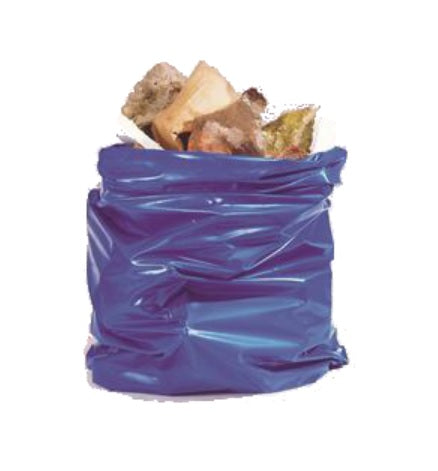
18x29x39 - Med Blue Refuse Sacks 100% RecycledRegular price From £28.84 GBPRegular priceUnit price per


Coloured refuse sacks are a common tool used for waste segregation and recycling. They are typically made of durable plastic and come in various colours to differentiate between different waste streams.
Bags / Sacks / Coloured Refuse Sacks
Coloured refuse sacks are used to separate waste streams quickly and consistently. By assigning a colour to each waste type, teams can reduce cross-contamination, improve recycling quality, and make collections easier to audit across offices, schools, hospitality, healthcare, and light industrial sites.
Coloured Refuse Sacks — Helpful Guide
This collection contains medium-sized coloured refuse sacks made from 100% recycled material. The products share the same size (18x29x39) and are offered in multiple colours so you can build a simple segregation system that suits your site.
1) Medium coloured refuse sacks (18x29x39)
Medium sacks are a practical everyday option for general waste and recycling points where a full-size heavy-duty sack would be unnecessary. They are commonly used with standard bins in offices, washrooms, kitchens, corridors, and caretaker trolleys.
-
18x29x39 - Med Blue Refuse Sacks 100% Recycled
Often chosen for dry mixed recycling or paper/card streams where a clear visual cue helps reduce contamination. -
18x29x39 - Med Green Refuse Sacks 100% Recycled
Commonly used for recycling or other designated non-general-waste streams, depending on your site’s colour plan. -
18x29x39 - Med Red Refuse Sacks 100% Recycled
Useful for clearly separating a specific stream that must not be mixed with general waste (for example, a controlled or restricted waste route in your workplace policy). -
18x29x39 - Med Yellow Refuse Sacks 100% Recycled
Often reserved for a clearly defined stream that needs high visibility and strict separation. In some settings, yellow is used for clinical/infectious waste—only use this colour for that purpose if your local policy requires it. -
18x29x39 - Med White Refuse Sacks 100% Recycled
Chosen where visibility and a “neutral” colour helps staff identify the correct stream, or where a site uses white for a dedicated route such as recycling, laundry/linen, or other segregated waste.
Case study: reducing contamination in shared waste areas
A multi-tenant office building had recurring issues with mixed waste in recycling bins, leading to rejected collections and extra handling time for cleaning staff. The facilities team introduced a simple colour plan: one colour for general waste and one for recycling, with clear signage at each bin station. Within weeks, contamination dropped noticeably because users could match the waste to the sack colour at a glance. Cleaning staff also reported faster bag changes and fewer “mystery bags” left in corridors because each stream had a defined destination.
How to choose the correct coloured refuse sack
Step 1: confirm your site’s colour coding
There is no single universal colour standard used everywhere, so the most important step is to align sack colours with your organisation’s policy (or your waste contractor’s guidance). If you operate across multiple sites, document the colour plan and keep it consistent to avoid confusion when staff move between locations.
Step 2: match the sack size to the bin and the waste type
The 18x29x39 size is typically considered a medium refuse sack size and suits many everyday bins. If sacks are too small, they can split when removed; if too large, they can slump into the bin and waste material. For heavier waste (for example, wet waste or dense materials), consider reducing fill level to maintain safe handling.
Step 3: consider handling and duty requirements
Even with durable sacks, good practice is to avoid overfilling, keep sharp edges out where possible, and use correct lifting technique. If your waste stream includes sharp or abrasive items, use additional internal protection (such as a rigid liner) or adjust the waste route to reduce puncture risk.
Step 4: plan for signage and training
Colour alone works best when paired with simple labels at the point of disposal. Use short, specific wording (for example, “Paper & Card Only”) and include a few examples of what belongs and what does not. Refresh training for new starters and contractors, and review performance periodically.
Operational tips for better segregation
- Keep streams simple: Too many colours can reduce compliance. Start with the minimum number of streams you need.
- Place bins where waste is created: Recycling points near printers, kitchens, and meeting rooms typically perform better than a single central station.
- Use consistent bag changes: Change sacks before they become overfilled to reduce tearing and improve hygiene.
- Audit and adjust: If one stream is frequently contaminated, improve signage, reposition bins, or simplify the rules.
- Document exceptions: If a colour has a special meaning on your site (for example, restricted waste), write it down and communicate it clearly.
Frequently asked questions
Are coloured refuse sacks universally standardised?
No. Colour coding can vary between councils, waste contractors, and workplaces. The most reliable approach is to follow your site’s waste policy or contractor guidance, then keep the same colour meanings across all areas to reduce mistakes and contamination.
What is the benefit of using different colours for waste sacks?
Colour makes segregation faster and more consistent. It helps users choose the correct bin at a glance, reduces cross-contamination between waste streams, and makes it easier for cleaning teams to route bags to the right collection point or storage area.
How do I know if 18x29x39 sacks will fit my bins?
Check your bin’s rim circumference and height, then compare with the sack’s opening and length. A good fit allows the sack to fold over the rim without stretching and still reach the bottom. If in doubt, trial a small quantity first.
Can I use yellow sacks for any waste stream?
Only if your local policy allows it. In some environments, yellow is reserved for clinical or infectious waste, while other sites use it for a different dedicated stream. Always align the colour with your documented segregation rules and contractor requirements.
How can I reduce sacks splitting or leaking during removal?
Avoid overfilling, keep sharp items out of soft sacks, and tie securely before lifting. For heavier or wetter waste, reduce fill level and ensure the bin has no sharp edges. Train staff to lift from the knot and support the base when needed.