
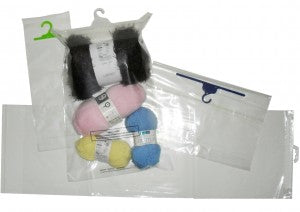
Bags / Polypropylene / Bread Bags
-
150 x 350 + 50mm Header - Clear Polypropylene (BOPP) PERFORATED Bread BagsRegular price From £38.40 GBPRegular priceUnit price per
-
150 x 350 + 50mm Header - Clear Polypropylene (BOPP) Bread BagsRegular price From £37.95 GBPRegular priceUnit price per
-
150 x 250 + 50mm Header - Clear Polypropylene (BOPP) PERFORATED Bread BagsRegular price From £31.50 GBPRegular priceUnit price per


Bags / Polypropylene / Bread Bags
Clear BOPP bread bags are designed to protect and present bakery items while keeping the product visible. This collection focuses on clear polypropylene (BOPP) bread bags with a header (lip) area, including standard and perforated-header options in multiple sizes. These bags are commonly used for loaves, rolls, buns, and other baked goods where clarity, crisp presentation, and a clean seal area are important.
Polypropylene (BOPP) Bread Bags — Helpful Guide
BOPP (biaxially oriented polypropylene) is a clear, stiff film widely used for bakery packaging because it offers excellent transparency and a smooth, glossy appearance. In bread-bag formats, BOPP helps showcase crust color and product freshness cues while providing a protective barrier against dust and handling. Many bakery operations also prefer BOPP for its neat “stand-up” look on shelves and counters compared with softer films.
What you’ll find in this category
- Standard clear BOPP bread bags with header — a clean header area can support closure methods and provides a consistent top margin for handling.
- Clear BOPP perforated-header bread bags — the header area includes perforations to support hanging or controlled tear-off/handling workflows (depending on how the bag is used in your operation).
Types in this collection and the related products
1) Standard clear BOPP bread bags (with header)
These are general-purpose clear bread bags with a defined header area. They’re commonly used when you want a tidy top section for closing, labeling, or consistent presentation.
-
150 x 350 + 50mm Header - Clear Polypropylene (BOPP) Bread Bags
A longer-format bag suited to larger loaves or multiple bakery items, with a 50mm header area for a clean closure zone.
2) Clear BOPP perforated-header bread bags
Perforated-header styles add functional perforations in the header area. These can be useful for certain merchandising or packing workflows where a perforated header is preferred.
-
150 x 350 + 50mm Header - Clear Polypropylene (BOPP) PERFORATED Bread Bags
A clear BOPP bread bag in a longer size with a perforated 50mm header, supporting organized handling and consistent presentation. -
150 x 250 + 50mm Header - Clear Polypropylene (BOPP) PERFORATED Bread Bags
A shorter option with a perforated 50mm header, often used for smaller loaves, buns, rolls, or compact bakery packs.
Case study: Streamlining a small bakery’s packing bench
A small bakery packing team often faces two competing needs: speed and consistency. When multiple staff members pack products across a morning rush, small differences in bag sizing and closure habits can lead to uneven presentation, wasted bags, and occasional product damage from overstuffing.
In a typical workflow, the team starts by sorting baked goods into groups (large loaves, smaller loaves, and mixed packs). By assigning a dedicated bag size to each group and keeping the header area consistent across those bags, the team reduces decision-making at the bench. The header provides a predictable “grip zone,” making it easier to open the bag quickly, insert the product without snagging, and close with a consistent top margin.
For items that are displayed on hooks or need a more controlled handling method, a perforated-header option can help standardize how bags are managed during packing and merchandising. The result is a cleaner shelf appearance, fewer re-bags, and less time spent adjusting closures or re-positioning labels.
How to choose the correct BOPP bread bag
1) Choose the right size (width x length + header)
Bag sizing is typically expressed as width x length, plus a header (lip) measurement. The width should accommodate the widest part of the loaf or pack without forcing the film to stretch tightly. The length should allow the product to sit comfortably while leaving enough space above the product for closure.
- 150 x 250 + 50mm header is often a good starting point for smaller bakery items or compact packs where you still want a defined closure zone.
- 150 x 350 + 50mm header provides additional length for larger loaves or taller packs, helping avoid tight closures that can crush crusts or deform soft products.
If you’re unsure, measure your product at its widest and tallest points (including any toppings or domed shapes), then allow extra clearance so the bag closes without compressing the product.
2) Decide whether you need a perforated header
Perforated-header bags are selected when the header feature supports your handling or display method. If your process benefits from a perforated header area (for example, certain hanging or organized handling setups), choose the perforated option. If you prefer a simpler bag top without perforations, choose the standard header style.
3) Consider clarity and presentation requirements
BOPP is chosen primarily for its high clarity and crisp appearance. If product visibility is important (showing crust color, inclusions, or decorative toppings), clear BOPP helps customers and staff identify items quickly. It also supports neat labeling because the film surface is typically smooth and consistent.
4) Think about closure method and headspace
Most bread bags are closed using ties, clips, tape, or heat sealing (depending on your equipment and the bag style). The header area helps create a consistent closure zone. When selecting a bag, ensure you have enough headspace above the product so the closure doesn’t press into the loaf or smear toppings.
5) Match the bag to your packing environment
In busy packing areas, a bag that opens easily and holds its shape can reduce handling time. BOPP’s stiffness can help the bag mouth stay open during loading, which is useful when packing multiple items quickly. If your products are still warm, allow adequate cooling time before bagging to reduce condensation inside the bag.
Handling tips for better results
- Cool before bagging: Bagging warm bread can trap moisture and create condensation, which may affect crust texture.
- Avoid overfilling: Choose a length that leaves enough space for closure without compressing the product.
- Standardize by product group: Assign one bag size per product type to reduce errors and speed up packing.
- Label placement: Apply labels to a smooth, clean area for better adhesion and readability.
Common applications
- Whole loaves and artisan-style breads
- Rolls, buns, and pastry packs
- Bakery items prepared for counter display or shelf presentation
- Back-of-house packing for cafés, delis, and food service
Questions and answers
What does “150 x 350 + 50mm header” mean on a bread bag?
The first two numbers are the bag’s width and length in millimeters. The “+ 50mm header” refers to an additional top section above the main bag body. That header area provides extra space for handling and closure without pressing on the product.
When should I choose a perforated-header bread bag instead of a standard header?
Choose a perforated-header bag when your packing or merchandising method benefits from perforations in the header area, such as certain hanging or organized handling setups. If you don’t need that feature, a standard header bag is typically simpler for general packing.
Are clear BOPP bread bags suitable for products with crisp crusts?
They can be, especially when the product is fully cooled before bagging. Cooling reduces trapped moisture that can soften crusts. Bag size also matters: leaving adequate headspace helps prevent the film from pressing against the crust and affecting texture.
How do I pick between 150 x 250 and 150 x 350 length options?
Start by measuring the height/length of your loaf or pack and add extra space for closure. The 150 x 250 size often fits smaller items or compact packs, while 150 x 350 provides more length for larger loaves or taller packs that need more headroom.
What are common mistakes that cause bread bags to look messy on display?
Common issues include using a bag that’s too short, overfilling, closing too close to the product, and bagging items while still warm. Standardizing bag sizes by product type and leaving consistent headspace above the product usually improves presentation and reduces rework.