
Protective / Paper & Tissue / Tissue Paper
-
20x30 - White U/G A/F TissueRegular price From £26.03 GBPRegular priceUnit price per
-
18x28 - White U/G A/F TissueRegular price From £21.98 GBPRegular priceUnit price per
-
12x16 - White Cap Tissue - Pack of 2 (24x16 cut in half)Regular price From £8.36 GBPRegular priceUnit price per
-
 Sold out18x28 - Light Blue TissueRegular price From £12.29 GBPRegular priceUnit price per
 -
20x30 - Dark Green TissueRegular price From £23.48 GBPRegular priceUnit price per
-
 Sold out18x28 - Dark Blue TissueRegular price From £23.48 GBPRegular priceUnit price per
 -
 Sold out18x28 - Red TissueRegular price From £12.29 GBPRegular priceUnit price per
 -
20x30 - Orange M/F TissueRegular price From £40.19 GBPRegular priceUnit price per
-
20x30 - Espresso M/F TissueRegular price From £23.48 GBPRegular priceUnit price per
-
20x30 - French Vanilla M/F TissueRegular price From £19.48 GBPRegular priceUnit price per
-
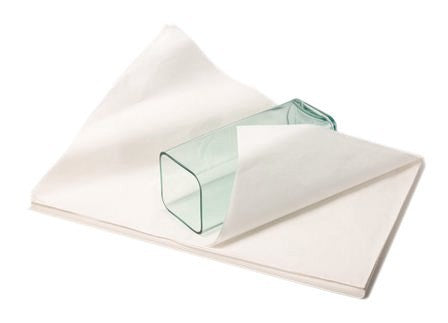 Sold out18x28 - Cerise TissueRegular price From £23.48 GBPRegular priceUnit price per
 -
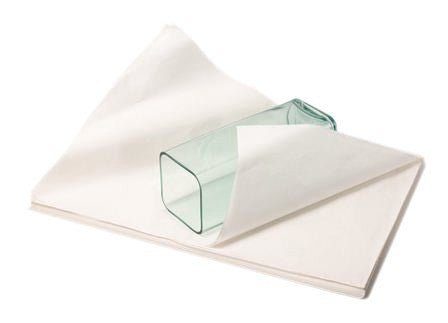 Sold out18x28 - Black TissueRegular price From £23.48 GBPRegular priceUnit price per
 -
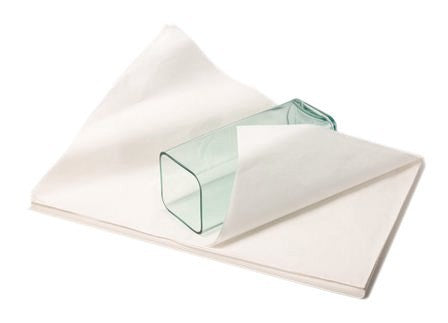 Sold out18x28 - Turquoise TissueRegular price From £23.48 GBPRegular priceUnit price per
 -
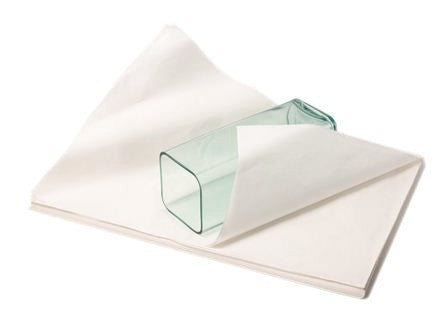 Sold out18x28 - Yellow TissueRegular price From £23.48 GBPRegular priceUnit price per
Protective / Paper & Tissue / Tissue Paper
| Order Code | Description | Dimensions (mm) | Pack Quantity |
| 10T16 | Cap tissue paper | 400 x 600 | 1 ream |
| 10T17 | Cap tissue paper | 400 x 700 | 1 ream |
| 10T20 | Cap tissue paper | 500 x 750 | 1 ream |
| 10T18P | Acid tissue - white | 450 x 700 | 1 ream |
| 10T20P | Acid tissue - white | 500 x 750 | 1 ream |
| 10T18U | Unglazed acid free tissue - white | 450 x 700 | 1 ream |
| 10T20U | Unglazed acid free tissue - white | 500 x 750 | 1 ream |
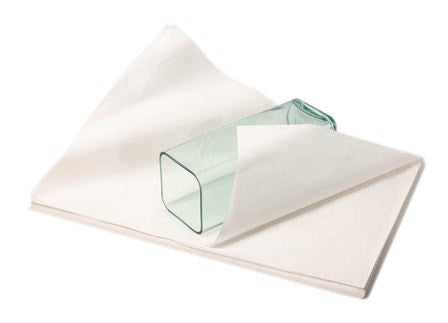
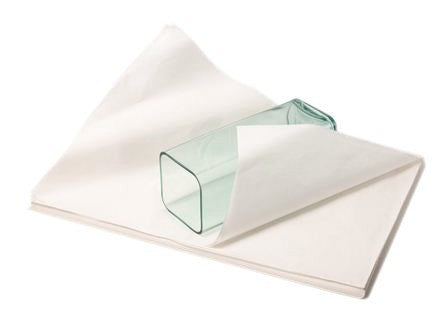
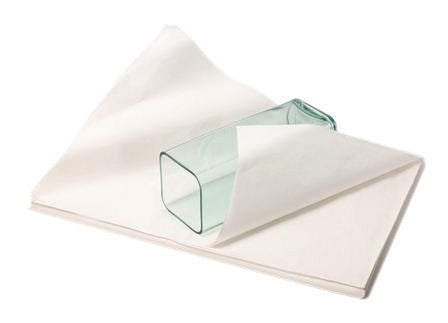
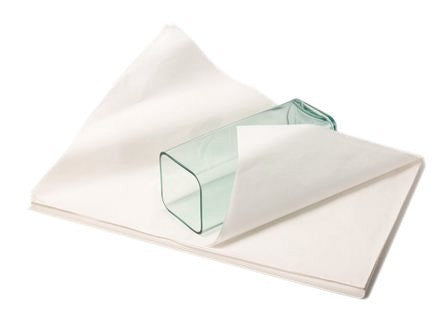
Tissue paper is a simple, lightweight protective wrap used to prevent scuffs, surface abrasion, and rub marks during handling, storage, and transit. In packaging workflows it is commonly used as an interleaving sheet between items, a wrap around individual products, or a cushioning layer inside cartons, mailers, and presentation boxes. This collection focuses on practical sheet sizes supplied by the ream for consistent packing operations.
Tissue Paper — Helpful Guide
Choosing the right tissue paper is mostly about matching the sheet type and size to the item you are protecting. The products in this category are supplied as flat sheets (not rolls), making them easy to count, stack, and use at a packing bench. Typical uses include wrapping apparel and accessories, separating stacked items, lining gift boxes, and protecting delicate finishes such as polished metal, coated surfaces, printed materials, and glass.
Types of tissue paper in this category
- Cap tissue paper: general-purpose packing tissue used for everyday wrapping and interleaving where you want a clean, lightweight barrier between surfaces.
- Acid tissue (white): tissue intended for applications where reduced acidity is preferred, such as protecting items that may be sensitive to long-term contact with acidic paper.
- Unglazed acid free tissue (white): a soft, non-glossy (unglazed) tissue designed for gentle contact with delicate surfaces; commonly chosen for archival-style storage and for items where you want to minimize the risk of marking or transfer.
Products available (with sizes) and when to use them
Below are the tissue paper options listed on this page, grouped by type. Use the sheet dimensions as a practical guide: smaller sheets are efficient for compact items and reduce waste; larger sheets are better for full wraps, layered protection, and larger products.
Cap tissue paper
-
10T16 — Cap tissue paper (400 x 600mm)
Useful for wrapping smaller items, lining small cartons, and interleaving stacks of products where you want a light protective barrier without excess bulk. -
10T17 — Cap tissue paper (400 x 700mm)
A versatile mid-size sheet for apparel folds, boxed goods, and general packing where you need a little more coverage than 400 x 600mm. -
10T20 — Cap tissue paper (500 x 750mm)
Better for larger wraps, multi-layer protection, and items with wider footprints (e.g., larger garments, boxed sets, or products with protruding parts).
Acid tissue — white
-
10T18P — Acid tissue - white (450 x 700mm)
Often selected for storage and packing where reduced acidity is preferred, such as protecting paper-based goods, textiles, and items intended for longer-term keeping. -
10T20P — Acid tissue - white (500 x 750mm)
Provides broader coverage for larger items or for double-wrapping. A practical choice when you want fewer seams and overlaps in the wrap.
Unglazed acid free tissue — white
-
10T18U — Unglazed acid free tissue - white (450 x 700mm)
Chosen for gentle surface contact and for items sensitive to marking. The unglazed finish is commonly preferred for delicate finishes and archival-style storage. -
10T20U — Unglazed acid free tissue - white (500 x 750mm)
Ideal when you need the same gentle, acid-free protection but with more coverage for larger products or for layered wrapping.
Case study: reducing scuffs and returns for a mixed-product shipper
A small business shipping a mix of coated stationery, glassware, and accessories noticed occasional scuffing and surface rub marks after transit. The issue was most common when multiple items shared a carton and shifted during handling. By adding a consistent tissue-paper step at the packing bench—wrapping each item and placing tissue between stacked pieces—the business reduced surface-to-surface contact and improved presentation on unboxing.
The workflow was simple: smaller items were wrapped with a mid-size sheet, while larger or more fragile items received a larger sheet and an extra layer at corners and edges. Tissue was also used to fill small voids inside boxes to limit movement. The result was fewer cosmetic issues on arrival and more consistent packing speed because the team standardized sheet sizes for common order types.
How to choose the correct tissue paper
1) Match the sheet size to the item (and the fold)
Start with the item’s footprint and how you plan to fold or wrap. A sheet that is too small forces multiple overlaps (more time, more seams). A sheet that is too large increases waste and can make neat folding harder. As a rule of thumb, choose a sheet that can wrap the item with one main overlap and enough excess to tuck at ends.
2) Choose the paper type based on sensitivity and storage time
- Everyday shipping and presentation: cap tissue paper is typically sufficient for general wrapping, interleaving, and box lining.
- Longer-term storage or paper/textile contact: acid tissue or unglazed acid free tissue is often preferred when you want to reduce the risk of yellowing or degradation associated with acidic papers over time.
- Delicate finishes: unglazed tissue is commonly selected where you want a softer contact surface and to minimize the chance of marking.
3) Decide whether you need single-wrap, double-wrap, or interleaving
For many products, a single wrap is enough to prevent light scuffs. Double-wrapping can help with sharper edges, heavier items, or when items may rub during transit. Interleaving (placing tissue between items) is effective for stacked products such as plates, printed pieces, or nested components.
4) Consider packing speed and standardization
In busy dispatch environments, standardizing on one or two sheet sizes for most orders can reduce decision-making and speed up packing. Keep a larger sheet available for oversized items and use the mid-size sheet for the majority of wraps and interleaves.
Best practices for using tissue paper in protective packaging
- Wrap before cushioning: use tissue as the first layer against the product, then add cushioning (e.g., void fill or padding) outside the tissue if needed.
- Protect corners and edges: add an extra fold at corners for items prone to edge wear.
- Use interleaving for stacks: place a sheet between each item to prevent abrasion and transfer.
- Keep tissue clean and dry: store reams in a clean, dry area to avoid moisture pickup and contamination.
- Test for sensitive surfaces: for high-gloss coatings, soft metals, or specialty finishes, test a small area first and adjust the paper type or layering if needed.
Common applications
- Apparel and fashion: wrapping garments, separating folds, and lining boxes for a clean presentation.
- Footwear and leather goods: wrapping and stuffing to reduce creasing and surface rub.
- Stationery and printed products: interleaving to protect inks, coatings, and edges.
- Glassware and ceramics: initial wrap layer to reduce scuffs before adding stronger cushioning.
- Storage and archiving: acid-free options for items intended to be kept for longer periods.
Handling, storage, and sustainability notes
Tissue paper is lightweight and space-efficient, but it performs best when kept flat and protected from moisture. Store reams on shelves or pallets away from damp floors and direct exposure to humidity. If you are building a more sustainable packing process, focus on right-sizing sheets (to reduce waste), using only the layers needed for protection, and separating clean paper for recycling where local facilities accept it.
Questions & Answers
What is the difference between cap tissue paper and acid-free tissue paper?
Cap tissue paper is typically used as a general-purpose protective wrap and interleaving sheet for everyday packing. Acid-free tissue is chosen when you want reduced acidity in contact with items that may be stored longer or are sensitive to acidic paper, helping reduce yellowing risk.
When should I choose unglazed tissue paper instead of standard tissue?
Unglazed tissue is often preferred for delicate or easily marked surfaces because it has a softer, non-glossy finish. It can be a good option for polished items, coated prints, or sensitive finishes where you want to minimize the chance of surface marking during wrapping.
How do I pick the right tissue paper sheet size for my product?
Measure the item’s footprint and consider how you will fold or wrap it. Choose a sheet that can cover the item with one main overlap and enough excess to tuck at the ends. Larger sheets reduce seams; smaller sheets reduce waste for compact items.
Is tissue paper enough protection for shipping fragile items?
Tissue paper is best as a first-contact layer that prevents scuffs and abrasion. For fragile items, it should be combined with cushioning and void fill to absorb impacts and prevent movement inside the carton. Use tissue to wrap, then add stronger protective materials outside it.
How should tissue paper be stored to keep it in good condition?
Keep tissue paper reams flat, clean, and dry. Store them off the floor, away from moisture and dust, and avoid compressing the stack to prevent wrinkling. Good storage helps maintain consistent sheet quality and makes packing faster and more reliable.