
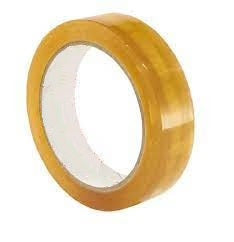
Tapes / Specialist Tapes / Celolose Tape
-
50mmx66m - Celolose TapeRegular price £0.00 GBPRegular priceUnit price per

Tapes / Specialist Tapes / Celolose Tape
Celolose Tape (Cellulose Packaging Tape) for Carton Sealing
Celolose tape (often referred to as cellulose packaging tape) is a clear, paper-friendly carton sealing tape made with a cellulose film backing and a pressure-sensitive adhesive. It is commonly selected for sealing cardboard boxes and paper-based packaging where a neat finish and reliable adhesion are required. In many packing environments it is used as an alternative to conventional plastic-based tapes for light to medium-duty sealing tasks.
Celolose Tape — Helpful Guide
This collection contains the following celolose tape option:
- 50mmx66m - Celolose Tape — A 50 mm wide, 66 m long clear packaging tape format commonly used for sealing standard carton seams, general packing, and tidy closures on paper/cardboard packaging.
What celolose tape is typically used for
- Carton sealing: Closing regular slotted cartons (RSC) by taping the center seam on top and/or bottom.
- E-commerce packing: Sealing parcels where presentation matters and a clear tape finish is preferred.
- Retail and gift packaging: Neat closures on paperboard boxes and sleeves.
- Paper-based packaging workflows: Situations where the pack is predominantly paper/cardboard and a clear tape is needed for closure.
- Light bundling: Holding together lightweight items or inner packs (where a packaging tape is appropriate).
Key characteristics to understand
While exact performance depends on the specific adhesive system and storage conditions, celolose/cellulose packaging tapes are generally chosen for a combination of clarity, handling, and adhesion on common carton surfaces.
- Clear appearance: Helps maintain a clean look on cartons and printed packaging.
- Good adhesion to cardboard and paper: Works best on clean, dry corrugated board and paperboard.
- Dispenser compatibility: The 50 mm width is a standard size for many hand dispensers used in packing benches.
- Consistent seam coverage: 50 mm width typically covers most carton seams with a single strip when applied centrally.
How to choose the correct tape for your packing job
Even within a single tape type, results depend heavily on the carton surface, the weight of the contents, and the conditions the parcel will experience. Use the checks below to confirm whether celolose tape is the right fit for your application.
1) Box weight and handling intensity
For light to medium cartons, a standard 50 mm packaging tape format is often suitable when applied correctly. If cartons are heavy, handled roughly, or stacked for long periods, you may need additional sealing methods (for example, multiple strips or an H-seal pattern) or a different tape construction designed for higher-duty performance.
2) Carton surface quality
Adhesion is strongest on clean, dry, dust-free corrugated board. Recycled cartons with high dusting, heavily textured surfaces, or cartons with coatings/varnishes can reduce bond strength. If you see lifting at the edges, improve surface preparation, increase pressure during application, or consider a tape designed for difficult surfaces.
3) Temperature and humidity
Packaging tapes generally perform best when applied at moderate room temperatures. Very cold cartons, damp board, or high humidity can reduce initial tack and slow bond build. If you pack in unheated warehouses or ship through cold routes, test on your actual cartons and consider warming cartons/tape to room temperature before sealing.
4) Required seal security
If your goal is simply to close a carton seam, a single centered strip may be enough. If you need higher resistance to opening during transit, use a more robust sealing pattern (such as H-sealing) and ensure adequate overlap down the carton sides.
Best-practice application steps (to reduce seal failures)
- Prepare the surface: Ensure the carton is dry and free from dust, loose fibers, oils, or moisture.
- Apply with even tension: Lay the tape straight over the seam without stretching excessively.
- Use firm pressure: Press down along the full length (a dispenser roller helps) to maximize contact.
- Allow adequate overlap: Extend the tape beyond the seam and down both sides of the carton for better hold.
- Reinforce when needed: For heavier packs, add extra strips or use an H-seal (one strip along the seam plus two across the edges).
Case study: Reducing carton edge-lift in a small dispatch area
A small dispatch team noticed occasional tape edge-lift on cartons packed late in the day. The cartons were stored near a loading door where temperature dropped and humidity increased. The team improved results by moving tape stock to a room-temperature area, sealing cartons earlier (before the board cooled), and applying extra pressure with a roller. For heavier parcels, they adopted an H-seal pattern. The changes reduced re-taping and improved consistency without changing box style.
Troubleshooting common issues
Tape lifting at the edges
- Check for dusting on recycled board; wipe or switch to cleaner cartons.
- Increase application pressure; use a dispenser with a roller.
- Ensure adequate overlap down the carton sides.
- Seal at warmer temperatures where possible.
Tape not sticking well to coated or glossy cartons
- Test adhesion on the exact carton finish before committing to a packing run.
- Consider alternative tape types designed for low-energy or coated surfaces if needed.
Seal splitting during transit
- Confirm the box is correctly sized and not overfilled (bulging increases seam stress).
- Use a stronger sealing pattern (e.g., H-seal) and ensure full-length pressure.
- For very heavy loads, evaluate higher-duty tape constructions.
Storage and handling tips
- Store cool and dry: Keep tape away from direct sunlight, heaters, and high humidity.
- Keep rolls in original packaging: Helps reduce dust contamination and edge damage.
- Rotate stock: Use first-in, first-out to maintain consistent performance.
- Condition before use: If tape has been stored cold, allow it to reach room temperature before application.
Frequently asked questions
What is celolose (cellulose) packaging tape typically used for?
It is commonly used for sealing cardboard cartons and paperboard packaging, especially for light to medium-duty parcels. It can also be used for neat closures where a clear finish is preferred, provided the surface is clean, dry, and dust-free.
Will cellulose tape stick to recycled or dusty corrugated boxes?
It can, but dusty recycled board may reduce adhesion and cause edge-lift. For best results, use clean cartons, apply firm pressure along the full tape length, and ensure good overlap down the sides. Testing on your exact carton grade is recommended.
How should I seal a heavier carton with 50 mm tape?
Use a stronger sealing pattern rather than relying on a single strip. Apply one strip along the center seam and add two cross strips at the ends (H-seal). Press firmly with a roller and ensure the carton is not overfilled or bulging.
Does temperature affect how well the tape seals?
Yes. Cold cartons and cold tape can reduce initial tack and slow bond build, while high humidity can also affect performance. Where possible, seal at moderate room temperature and keep tape stored in a dry area before use.
What is the best way to store celolose tape to maintain performance?
Store rolls in a cool, dry place away from direct sunlight and heat sources. Keep them in original packaging to reduce dust contamination, and rotate stock first-in, first-out. If stored cold, allow rolls to warm to room temperature before use.