
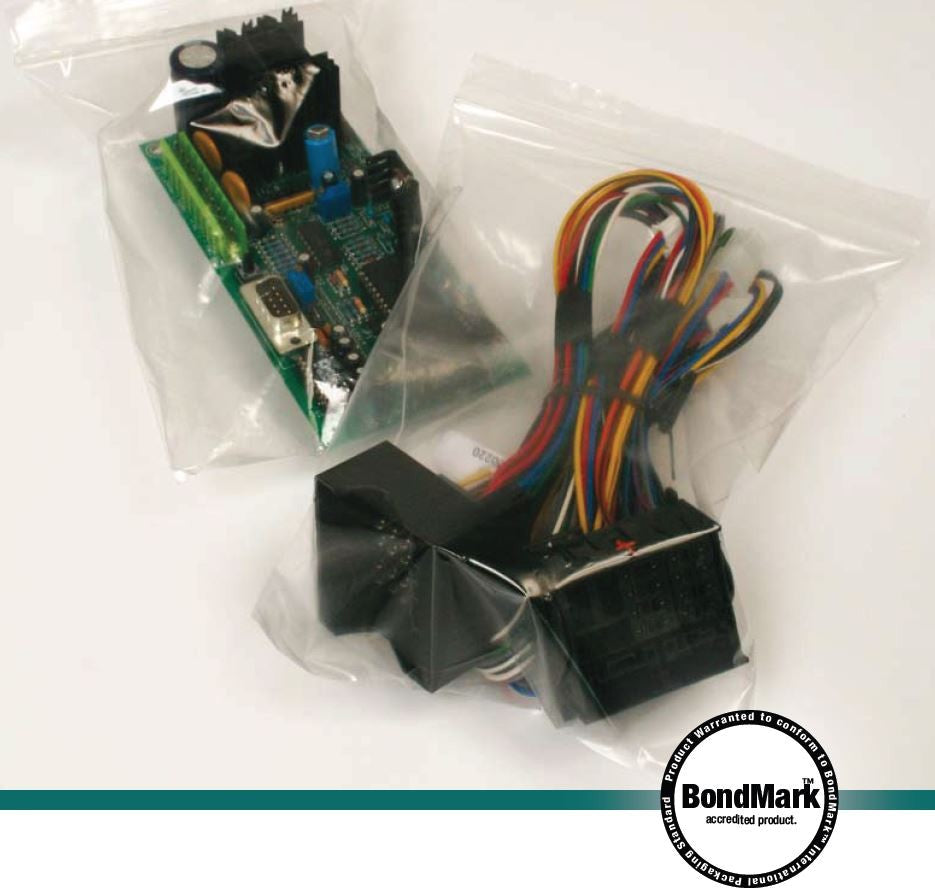
Bags / Resealable (Grip Seal) / Grip-Seal Bags
-
No7 - (5.5x5.5) Pro-Loc Grip Seal Poly Bags (140x140mm)Regular price From £9.87 GBPRegular priceUnit price per
-
NoA4 - (9x12.75) Pro-Loc Grip Seal Bags (229x324mm)Regular price From £27.89 GBPRegular priceUnit price per
-
No10 - (7.5x7.5) Pro-Loc Grip Seal Poly Bags (191x191mm)Regular price From £2.87 GBPRegular priceUnit price per
-
No2 - (2.25x3) Pro-Loc Grip Seal Poly Bags (57x76mm)Regular price From £4.72 GBPRegular priceUnit price per
-
No14 - (10x14) Pro-Loc Grip Seal Poly Bags (254x356mm)Regular price From £32.44 GBPRegular priceUnit price per
-
4.5x6 - H/Duty 300g Grip Seal Poly Bags (114x152mm - 76mu)Regular price From £23.23 GBPRegular priceUnit price per
-
No60 - (12x16) H/Duty Pro-Loc Grip Seal Poly Bags (305x406mm)Regular price From £69.42 GBPRegular priceUnit price per
-
No50 - (9x14) H/Duty Pro-Loc Grip Seal Poly Bags (229x356mm)Regular price From £47.36 GBPRegular priceUnit price per
-
No40 - (8x12) H/Duty Pro-Loc Grip Seal Poly Bags (203x305mm)Regular price From £42.42 GBPRegular priceUnit price per
-
No30 - (7x10) H/Duty Pro-Loc Grip Seal Poly Bags (167x254mm)Regular price From £57.60 GBPRegular priceUnit price per
-
No20 - (5x8) H/Duty Pro-Loc Grip Seal Poly Bags (127x203mm)Regular price From £36.96 GBPRegular priceUnit price per
-
No17 - (15x20) Pro-Loc Grip Seal Poly Bags (381x508mm 45mu)Regular price From £14.26 GBPRegular priceUnit price per
-
No16 - (13x18) Pro-Loc Grip Seal Poly Bags (330x457mm)Regular price From £11.06 GBPRegular priceUnit price per
-
No15 - (11x16) Pro-Loc Grip Seal Poly Bags (279x406mm)Regular price From £8.33 GBPRegular priceUnit price per
-
No13 - (12.75x12.75) Pro-Loc Grip Seal Poly Bags (324x324mm)Regular price From £38.06 GBPRegular priceUnit price per
-
No11 - (6x9) Pro-Loc Grip Seal Poly Bags (152x229mm) (A5 Size)Regular price From £21.84 GBPRegular priceUnit price per
-
No9 - (5x7.7) Pro-Loc Grip Seal Poly Bags (127x191mm)Regular price From £18.31 GBPRegular priceUnit price per
-
No8 - (3x7.5) Pro-Loc Grip Seal Poly Bags (76x191mm)Regular price From £11.35 GBPRegular priceUnit price per
-
No5 - (4.5x4.5) Pro-Loc Grip Seal Poly Bags (114x114mm)Regular price From £0.34 GBPRegular priceUnit price per
-
No4 - (3.5x4.5) Pro-Loc Grip Seal Poly Bags (89x114mm)Regular price From £8.80 GBPRegular priceUnit price per
-
No3 - (3x3.25) Pro-Loc Grip Seal Poly Bags (76x83mm)Regular price From £6.22 GBPRegular priceUnit price per
-
No1 - (2.25x2.25) Pro-Loc Grip Seal Poly Bags (57x57mm)Regular price From £4.03 GBPRegular priceUnit price per
-
No000 - (1.5x2.5) Pro-Loc Grip Seal Poly Bags (38x64mm)Regular price From £146.20 GBPRegular priceUnit price per
-
No00 - (1.25x4.5) Grip Seal Poly Bags (32x114mm)Regular price From £0.07 GBPRegular priceUnit price per
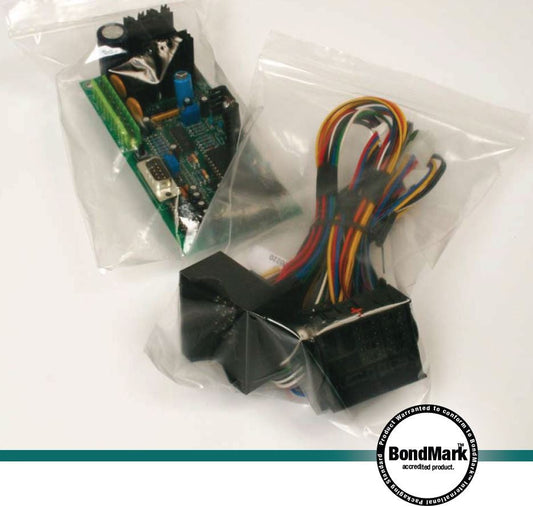
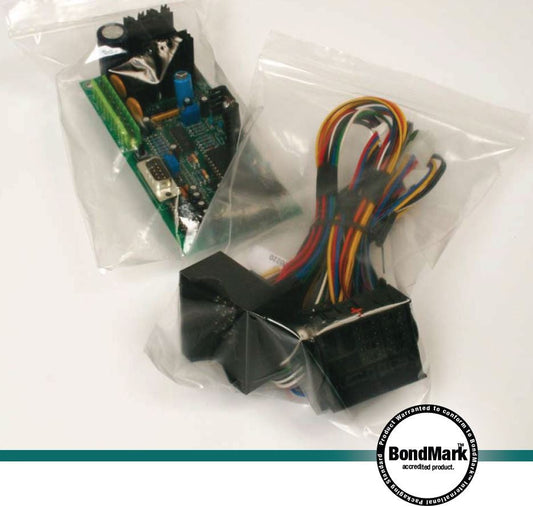
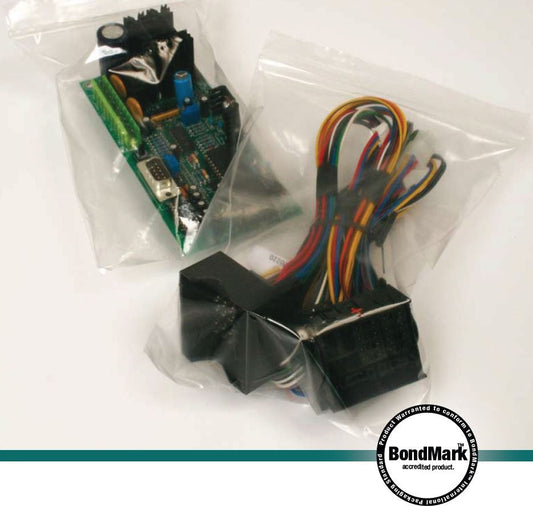
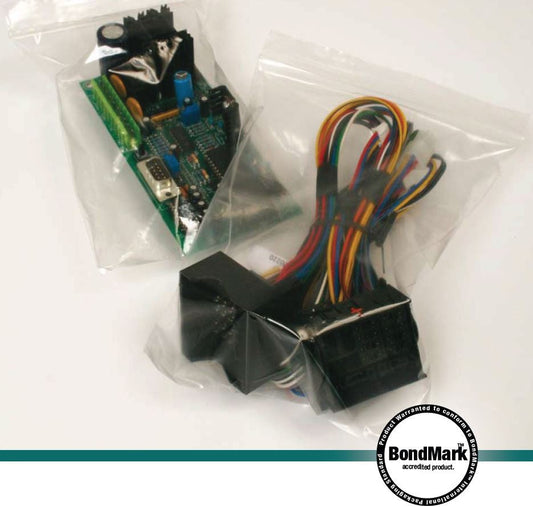
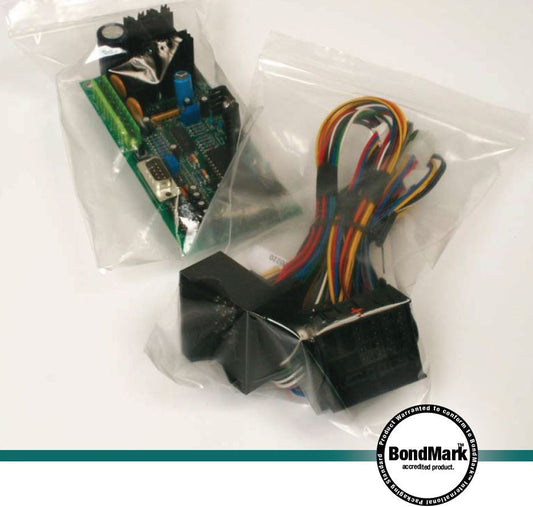
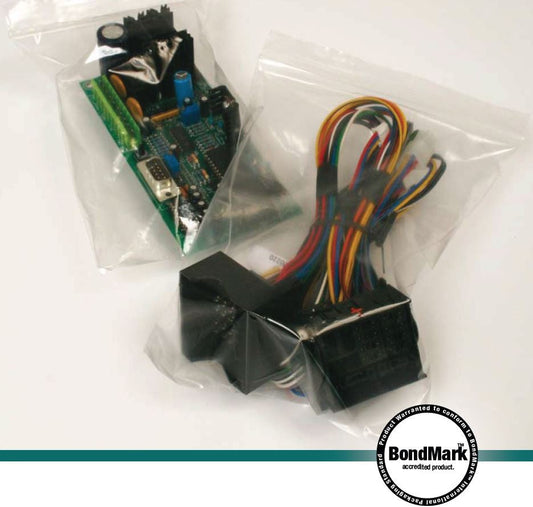
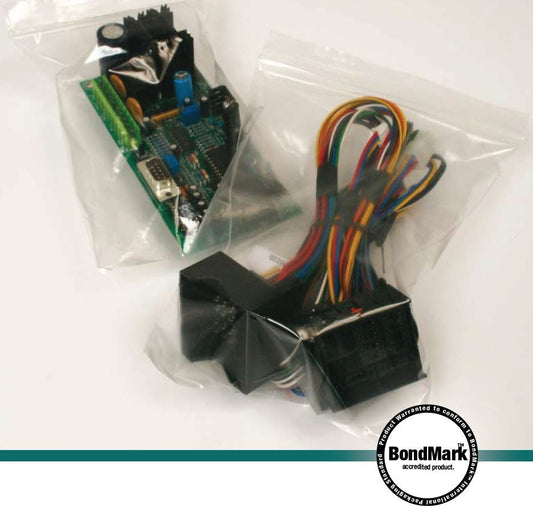
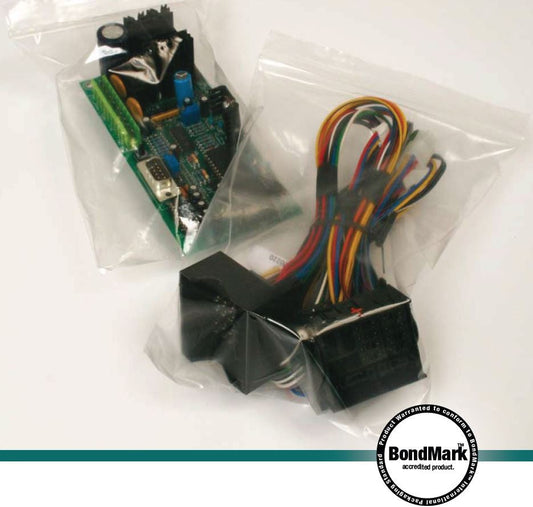
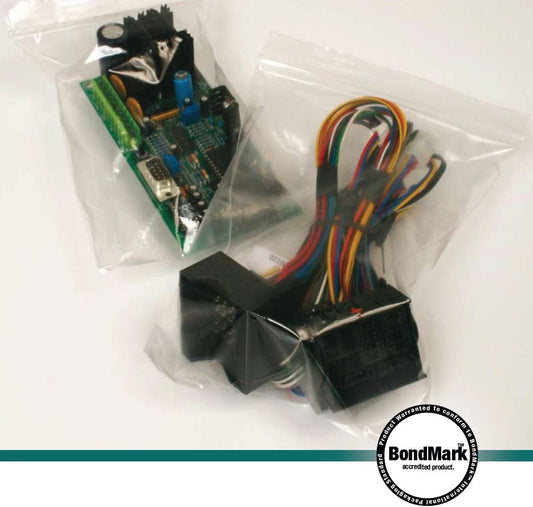
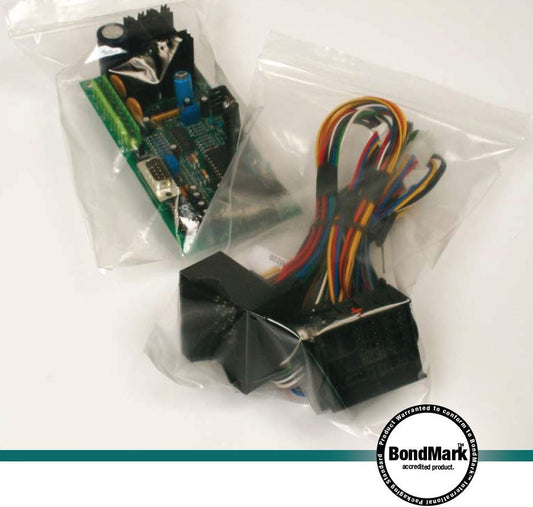
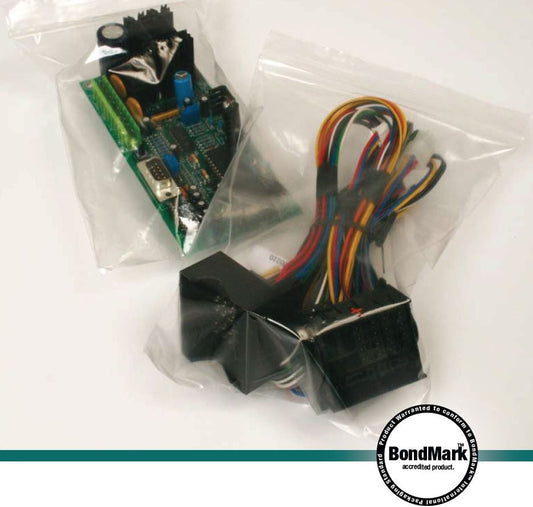
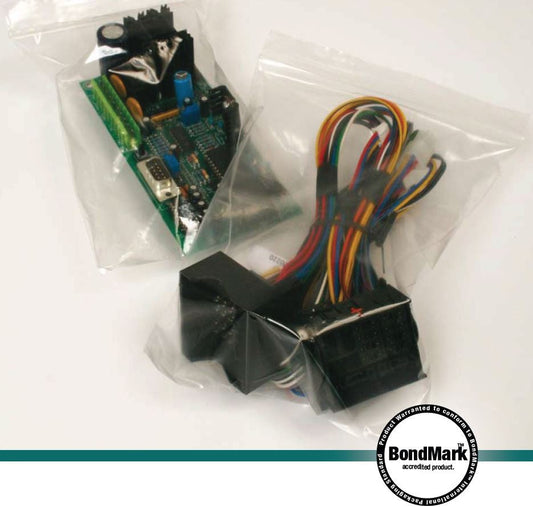
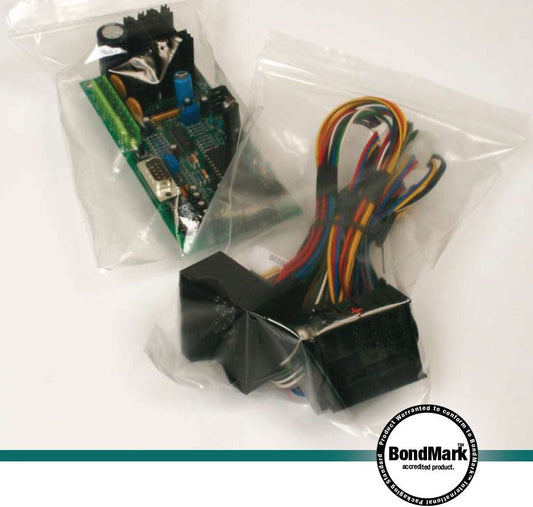
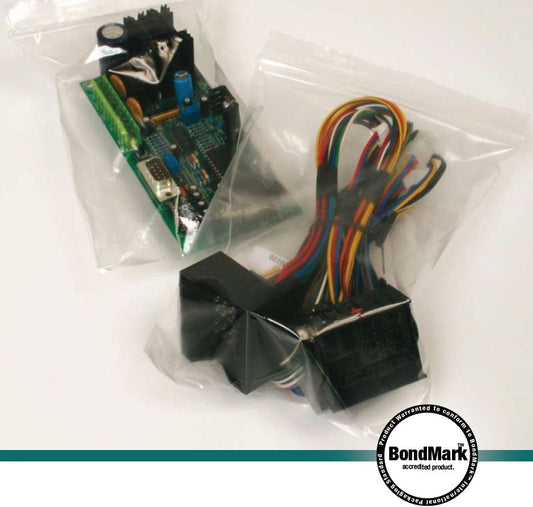
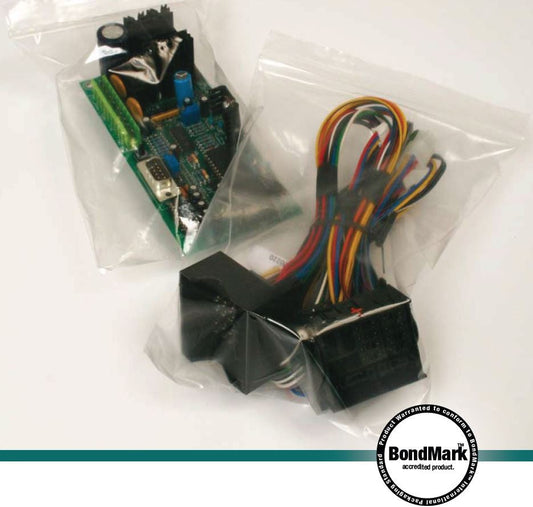
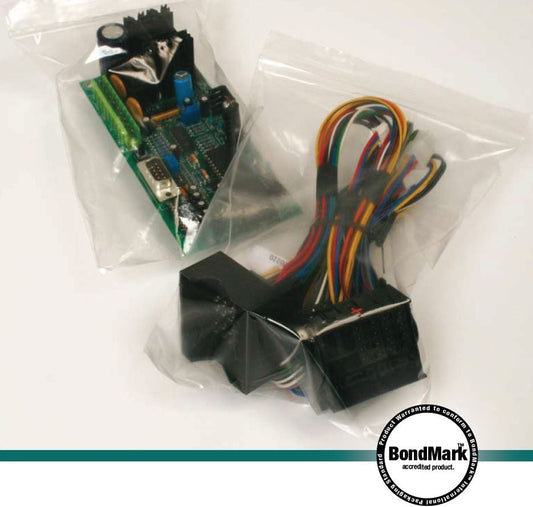
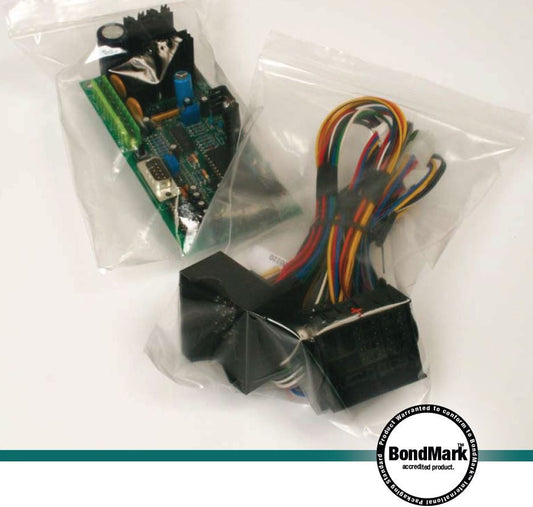
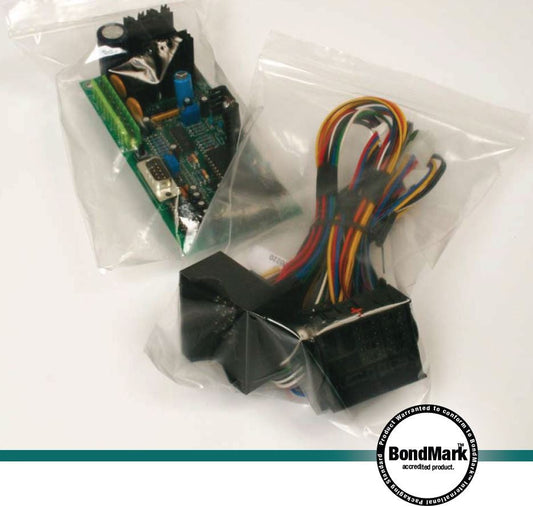
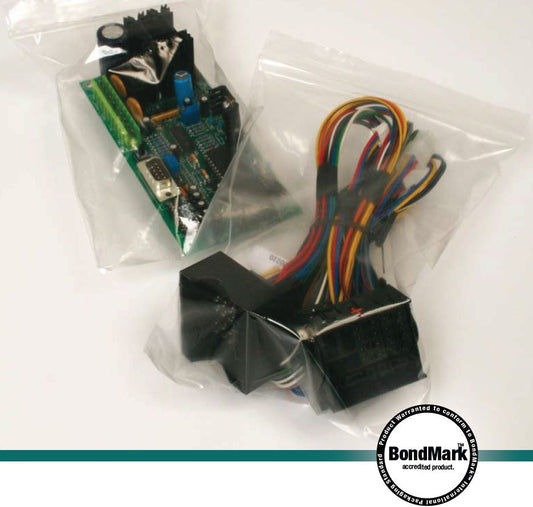
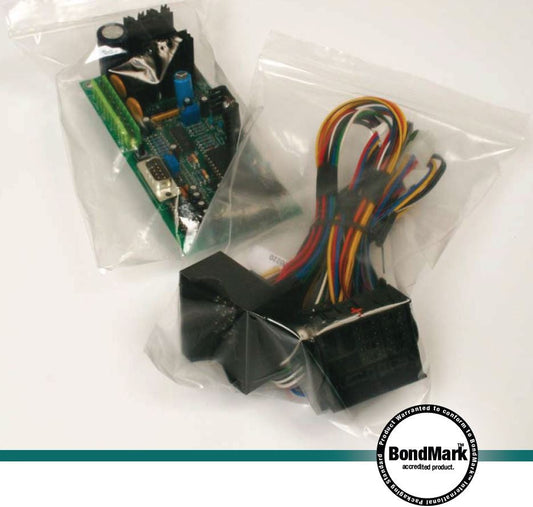
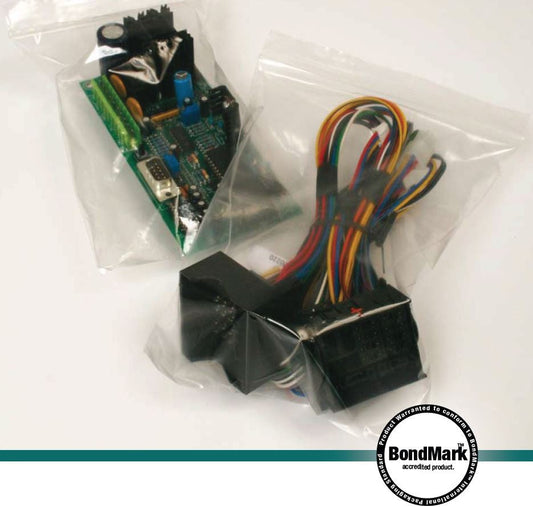
Our range of clear Pro-Loc grip seal display bags are ideal for protecting and storing a wide variety of products. The high quality clear polythene finish also ensures your product is presented to a high standard.
Bags / Resealable (Grip Seal) / Grip-Seal Bags
Clear Grip-Seal Bags (Resealable Poly Bags) for Storage, Sorting & Presentation
Grip-seal bags (also called zip or press-seal bags) are a simple way to protect, organise and present items while keeping contents visible. This collection focuses on clear polythene grip-seal bags in a wide range of sizes, from small parts bags through to larger document and garment-sized options. The resealable closure is designed for repeated opening and closing, making these bags practical for picking, packing, kitting, archiving and general storage.
Because the film is clear, contents can be identified quickly without opening the bag. That visibility is useful for inventory control, retail presentation, sample handling, and any workflow where speed and accuracy matter. Many users also choose grip-seal bags to reduce handling damage (scratches, dust, moisture splash) and to keep sets of components together.
Grip-Seal Bags — Helpful Guide
Below is a practical guide to the types of grip-seal bags in this category and how they’re commonly used. Where relevant, product names are linked so you can jump directly to the matching size on this page.
1) Standard clear Pro-Loc grip-seal poly bags (general-purpose)
Standard clear grip-seal bags are a versatile choice for everyday storage and presentation. They’re commonly used for small components, craft items, stationery, fasteners, samples, and general stock control. Choose these when you want a clear, tidy pack with a reliable reseal.
- No000 - (1.5x2.5) Pro-Loc Grip Seal Poly Bags (38x64mm) – compact size for tiny parts, beads, screws, and sample quantities.
- No00 - (1.25x4.5) Grip Seal Poly Bags (32x114mm) – slim format suited to long, narrow items such as small tools, cable ties, or labels.
- No1 - (2.25x2.25) Pro-Loc Grip Seal Poly Bags (57x57mm) – square bag for small components and grouped items.
- No2 - (2.25x3) Pro-Loc Grip Seal Poly Bags (57x76mm) – popular small-parts size for sorting and dispensing.
- No3 - (3x3.25) Pro-Loc Grip Seal Poly Bags (76x83mm) – slightly larger for parts, samples, and small retail items.
- No4 - (3.5x4.5) Pro-Loc Grip Seal Poly Bags (89x114mm) – useful for small assemblies, stationery, and accessories.
- No5 - (4.5x4.5) Pro-Loc Grip Seal Poly Bags (114x114mm) – square format for bulkier small items and sets.
- No7 - (5.5x5.5) Pro-Loc Grip Seal Poly Bags (140x140mm) – mid-size bag for parts, craft items, and general storage.
- No8 - (3x7.5) Pro-Loc Grip Seal Poly Bags (76x191mm) – long format for cables, pens, tools, and narrow products.
- No9 - (5x7.7) Pro-Loc Grip Seal Poly Bags (127x191mm) – versatile size for accessories, kits, and small boxed items.
- No10 - (7.5x7.5) Pro-Loc Grip Seal Poly Bags (191x191mm) – larger square bag for bulkier items and grouped components.
- No11 - (6x9) Pro-Loc Grip Seal Poly Bags (152x229mm) (A5 Size) – document-friendly size for A5 sheets, instructions, and kits.
- No13 - (12.75x12.75) Pro-Loc Grip Seal Poly Bags (324x324mm) – large square bag for bigger items, folded garments, or multi-part kits.
- No14 - (10x14) Pro-Loc Grip Seal Poly Bags (254x356mm) – larger format for products, paperwork bundles, and storage.
- No15 - (11x16) Pro-Loc Grip Seal Poly Bags (279x406mm) – useful for larger items and document packs.
- No16 - (13x18) Pro-Loc Grip Seal Poly Bags (330x457mm) – larger bag for bulky items, folded textiles, and larger paperwork sets.
- No17 - (15x20) Pro-Loc Grip Seal Poly Bags (381x508mm 45mu) – extra-large option for bigger items and protective storage.
- NoA4 - (9x12.75) Pro-Loc Grip Seal Bags (229x324mm) – sized for A4 documents and inserts, ideal for keeping paperwork clean and visible.
2) Heavy-duty grip-seal poly bags (thicker film for tougher handling)
Heavy-duty grip-seal bags are chosen when the contents are heavier, have sharper edges, or will be handled frequently. A thicker film can help reduce punctures and tearing during picking, transit, or workshop use. These are often used for engineering parts, hardware, fixings, and items that may stress a lighter bag.
- 4.5x6 - H/Duty 300g Grip Seal Poly Bags (114x152mm - 76mu) – thicker film for more demanding applications and heavier contents.
- No20 - (5x8) H/Duty Pro-Loc Grip Seal Poly Bags (127x203mm) – heavy-duty option for parts, kits, and workshop storage.
- No30 - (7x10) H/Duty Pro-Loc Grip Seal Poly Bags (167x254mm) – heavy-duty mid-size for larger components and sets.
- No40 - (8x12) H/Duty Pro-Loc Grip Seal Poly Bags (203x305mm) – heavy-duty format for larger items and document packs.
- No50 - (9x14) H/Duty Pro-Loc Grip Seal Poly Bags (229x356mm) – heavy-duty large bag for bulkier items and grouped products.
- No60 - (12x16) H/Duty Pro-Loc Grip Seal Poly Bags (305x406mm) – heavy-duty extra-large bag for larger items and demanding handling.
3) Specimen-style grip-seal poly bags (printed “Specimen”)
Specimen-style grip-seal bags are commonly used where contents need clear identification and controlled handling, such as sample collection, sorting, or internal traceability. The printed marking helps communicate intended use and can support quick visual checks in busy environments.
- 6x5.5x8 - "Specimen" Grip Seal Poly Bags – specimen-marked bag for sample handling and organised storage.
- 6x9x8 - "Specimen" Grip Seal Poly Bags – larger specimen-marked option for bigger samples or paperwork with contents.
Case Study: Improving Picking Accuracy with Clear, Resealable Bags
A small assembly operation needed to reduce picking errors and speed up kitting for multi-part orders. Previously, components were stored loose in open trays and moved between workstations in unsealed containers. This led to mixed parts, missing items, and time spent re-checking kits.
The team introduced a simple process: each kit was packed into a clear grip-seal bag with the correct components and a printed instruction sheet. Smaller parts were grouped in smaller grip-seal bags inside a larger outer bag. Because the bags were transparent, staff could verify contents at a glance without opening each pack. The resealable closure allowed quality checks and rework without wasting packaging.
Results typically seen in this kind of workflow include fewer missing components, faster visual verification, and cleaner storage. The key was matching bag size to the kit and selecting heavier-duty options for sharp or heavy parts.
How to Choose the Correct Grip-Seal Bag
Step 1: Measure the contents correctly
Measure the widest and longest points of the item (or the combined bundle). If you’re packing multiple items together, measure the full stack thickness as well. A grip-seal bag needs enough internal width for the item to slide in without forcing the seal area.
- Width: choose a bag width that comfortably fits the widest point of the contents.
- Length: allow extra length above the contents so the seal can close without compressing the item.
- Thickness/bulk: bulky items may need a larger size than their flat dimensions suggest.
Step 2: Choose standard vs heavy-duty film
If the contents are light and smooth (paperwork, textiles, small accessories), standard bags are often suitable. If the contents are heavy, angular, or handled repeatedly (metal parts, fixings, tools), consider heavy-duty options to reduce punctures and tearing.
Step 3: Consider how the bag will be used
- Retail presentation: clear film supports visibility and quick identification.
- Warehouse picking: consistent sizing helps storage bins stay organised and speeds up selection.
- Documentation packs: A4 and A5-friendly sizes help keep paperwork clean and readable.
- Samples and traceability: specimen-marked bags can support clear handling cues.
Step 4: Plan for labelling and identification
Even with clear film, many operations label bags for faster scanning and traceability. If you need to write directly on the bag, you may prefer a dedicated write-on panel style (available in a separate category). For this collection, external labels or inserts are common approaches.
Common Uses for Clear Grip-Seal Bags
- Parts & components: screws, bolts, fittings, electrical connectors, and spare parts.
- Kitting & assembly: grouping all items needed for a job into one resealable pack.
- Documents & inserts: keeping paperwork clean, dry, and visible (e.g., A4 and A5 sizes).
- Samples: organising and protecting samples for internal handling or controlled distribution.
- Retail & presentation: clear display of products while reducing dust and handling marks.
- Storage & archiving: keeping sets together and reducing loss of small items.
Handling Tips: Getting the Best Performance from Grip-Seal Bags
- Keep the seal area clean: dust or fine powders near the closure can reduce sealing reliability.
- Don’t overfill: leave space above the contents so the seal can close fully and evenly.
- Use heavy-duty for sharp edges: thicker film helps reduce punctures from corners and burrs.
- Insert paperwork flat: for document packs, keep sheets flat to avoid stressing the seal line.
- Store away from heat: excessive heat can soften film and affect how bags stack or handle.
Frequently Asked Questions (Q&A)
What’s the difference between standard and heavy-duty grip-seal bags?
Standard bags suit light, smooth items and general organisation. Heavy-duty bags use thicker film to better resist tearing and punctures during frequent handling or when packing heavier or sharper items. Choosing the right thickness helps reduce split seams and damaged packaging.
How do I choose the right size grip-seal bag for my product?
Measure the widest and longest points of the item, then add clearance so it slides in easily and the seal closes without compressing contents. For bulky items, allow extra width and length. If packing multiple items, measure the full bundle thickness too.
Are grip-seal bags suitable for storing documents like A4 or A5 sheets?
Yes. Larger grip-seal sizes can hold paperwork and inserts while keeping them clean and visible. For best results, place sheets flat and avoid overfilling so the seal closes fully. If you need frequent access, resealable closures support repeated opening and closing.
Can I use grip-seal bags for small parts and inventory control?
Grip-seal bags are widely used for small parts because they keep items grouped, reduce loss, and allow quick visual identification through clear film. Many operations add labels or inserts for part numbers and quantities, improving traceability and speeding up picking.
What does “mu” mean on bag specifications?
“mu” refers to microns, a unit used to describe film thickness. Higher micron values generally indicate thicker, more robust material that can better withstand handling and resist punctures. Thickness needs vary by application, so match micron level to item weight and edges.