
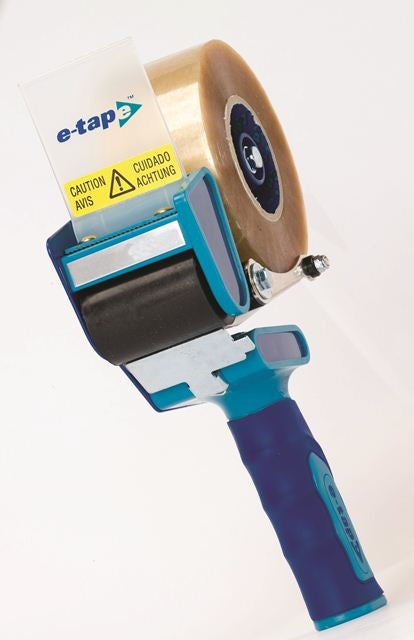
Tapes / Tape Dispensers
-
50mm - Heavy Duty Hand Case Sealer / Tape DispenserRegular price From £10.71 GBPRegular priceUnit price per
-
75mm - Heavy Duty Hand Case Sealer / Tape DispenserRegular price From £14.70 GBPRegular priceUnit price per
-
50mm - Double Sided Tape DispenserRegular price From £103.10 GBPRegular priceUnit price per
-
25mm - Double Sided Tape DispenserRegular price From £96.32 GBPRegular priceUnit price per
-
9mm - Bag Neck Sealer - PlasticRegular price From £10.57 GBPRegular priceUnit price per
-
9mm - Bag Neck Sealer - MetalRegular price From £18.16 GBPRegular priceUnit price per
-
75mm - Hand Case Sealer / Tape DispenserRegular price From £11.37 GBPRegular priceUnit price per
-
75mm - (or 3x25mm) Bench DispenserRegular price From £14.70 GBPRegular priceUnit price per
-
50mm - Hand Case Sealer Tongues / Tape Dispenser TonguesRegular price From £14.70 GBPRegular priceUnit price per
-
50mm - Silent E-Tape Dispenser TonguesRegular price From £1.31 GBPRegular priceUnit price per
-
50mm - Silent E-Tape Dispenser BladeRegular price From £2.49 GBPRegular priceUnit price per
-
50mm - Line Marking DispenserRegular price From £14.70 GBPRegular priceUnit price per
-
50mm - Desk Dispenser BladesRegular price From £21.02 GBPRegular priceUnit price per
-
50mm - (or 2x25mm) Bench DispenserRegular price From £10.96 GBPRegular priceUnit price per
-
50mm - Heavy Duty Bench DispenserRegular price From £14.70 GBPRegular priceUnit price per
-
50mm - Crossweave Tape DispenserRegular price From £9.87 GBPRegular priceUnit price per
-
50mm - Clamp-on Bench DispenserRegular price From £10.02 GBPRegular priceUnit price per
-
50mm - Hand Case Sealer Blades / Tape Dispenser BladesRegular price From £1.22 GBPRegular priceUnit price per
-
25mm - Transfer Tape DispenserRegular price From £103.10 GBPRegular priceUnit price per
-
25mm - Pre Lenth Desk DispenserRegular price From £44.63 GBPRegular priceUnit price per
-
25mm - Desk DispenserRegular price From £3.43 GBPRegular priceUnit price per
-
15mm - Bag Neck Sealer - MetalRegular price From £42.42 GBPRegular priceUnit price per


A tape dispenser is an essential piece of equipment when applying tape to a carton or other surface.
Available in:
- 50 or 75mm width
- Medium or heavy duty


Tapes / Tape Dispensers
| Order Code | Description |
| 13D50H | Carton sealer 50mm Standard model with adjustable brake. 75mm core |
| Order Code | Description |
| 13D50SE2 |
e-tape dispenser ED03 silent model with adjustable brake, retractable blade and tape silencer. For use with e-tape |

| Order Code | Description |
| 13D50HHD | Carton sealer 50mm PD702 Premium metal model with adjustable brake and retractable blade. 75mm core |
| Order Code | Description |
| 13D75H | Carton sealer 75mm PD742 Standard model with adjustable brake and retractable blade. 75mm core |
| Order Code | Description |
| 13D75HHD | Carton sealer 75mm PD781 Premium metal model with adjustable brake and retractable blade. 75mm core |
| Order Code | Description |
| 13D50SE1 | e-tape dispenser ED01 standard model with adjustable brake and retractable blade. For use with e-tape |
| Order Code | Description |
| 13PD931 | Double sided tape dispenser PD931 - 25mm for use with 25mm double sided tape. |
Tapes & Tape Dispensers: Practical Overview
Tape dispensers (often called carton sealers or packing tape guns) are designed to apply pressure-sensitive packaging tape quickly, consistently, and safely to cartons, mailers, and other packable surfaces. The right dispenser improves seal quality by keeping tape tension steady, aligning the tape edge, and cutting cleanly at the end of each run—helpful for both occasional packing and high-throughput dispatch benches.
Within this category you’ll find handheld carton sealers and bench-style dispensers intended for common packaging tape widths (such as 50mm and 75mm). Many models include features like adjustable braking (to control unwind tension), ergonomic handles, and guarded or retractable cutting blades to reduce the risk of accidental cuts while maintaining fast application.
Tapes / Tape Dispensers — Helpful Guide
This guide explains the main dispenser types and the practical differences that affect day-to-day packing: tape width compatibility, core size, braking/tension control, noise reduction, and duty rating. Use it to match a dispenser to your tape roll and packing workflow.
1) Handheld carton sealers (packing tape guns)
Handheld carton sealers are the most common choice for sealing shipping cartons. They combine a roll holder, a pressure roller (to bond tape to the carton), and a cutting blade. They’re ideal when operators move between packing stations or seal cartons of varying sizes throughout the day.
Carton sealer 50mm (Order Code: 13D50H) — A standard 50mm handheld carton sealer with an adjustable brake to control tape unwind. Designed for a 75mm tape core, it helps reduce overrun and improves tape laydown on carton seams.
2) Low-noise / silent handheld dispensers
Noise-reduced dispensers are designed to lower the characteristic “screech” that can occur when tape unwinds quickly. They’re often used in offices, retail backrooms, and shared workspaces where noise matters, and they can also reduce operator fatigue in busy packing areas.
Silent e-tape dispenser (Order Code: 13D50SE2) — A silent-model handheld dispenser with adjustable brake, a retractable blade, and a tape silencer. Intended for use with e-tape, it focuses on controlled unwind and safer cutting.
3) Bench tape dispensers
Bench dispensers sit on a packing table and are typically used for repetitive tasks such as sealing small cartons, bundling items, or preparing parcels where the operator prefers a stationary tool. They can be convenient when you frequently need one-handed tape dispensing while holding products or cartons with the other hand.
If your workflow involves frequent short pulls of tape (for example, closing small boxes or taping paperwork sleeves), a bench dispenser can improve consistency and reduce the time spent picking up and putting down a handheld gun.
Case Study: Reducing Rework on Carton Seams
A small dispatch team sealing mixed carton sizes noticed occasional seam lift and inconsistent tape overlap—especially during peak periods when multiple operators shared the same packing station. The team reviewed three root causes: (1) tape tension varied between operators, (2) tape sometimes overran after the cut, and (3) the tape edge wandered off the seam on longer runs.
By standardizing on a dispenser with adjustable braking, operators could set a consistent unwind tension that matched their tape and carton surface. This reduced overrun (wasted tape at the end of each seal) and improved edge tracking along the seam. For shared office-adjacent packing areas, switching to a low-noise dispenser also reduced the disruptive sound of fast unwind, making the workspace more comfortable without changing the packing process.
How to Choose the Correct Tape Dispenser
Step 1: Confirm tape width (50mm vs 75mm)
Start with the tape you already use (or plan to use). A dispenser must match the tape width to guide the roll correctly and keep the tape centered on the roller. A 50mm dispenser is common for general carton sealing. Wider tape (such as 75mm) can be useful for larger cartons, heavier loads, or when you want more coverage over the seam.
Step 2: Check the tape core size
Packaging tapes are supplied on different core diameters. A dispenser designed for a 75mm core will not fit a smaller core correctly without an adapter, and a loose fit can cause wobble, uneven unwind, and poor tracking. Matching the core size helps the roll rotate smoothly and keeps braking adjustments predictable.
Step 3: Decide on braking/tension control needs
An adjustable brake lets you control how freely the tape roll spins. Too little braking can cause the roll to overrun, leaving slack tape that wrinkles or sticks to itself. Too much braking increases pull force and can lead to operator fatigue or uneven tape laydown. For mixed operators and variable carton sizes, adjustable braking helps standardize results.
Step 4: Consider noise and operator comfort
In some environments, the sound of tape unwind is a genuine operational issue. Low-noise dispensers typically use design features that reduce vibration and chatter as the tape pulls off the roll. Comfort features—such as handle shape, balance, and smooth roller action—matter more as daily carton counts increase.
Step 5: Safety features and cutting method
Most handheld dispensers use a serrated blade to cut tape quickly. Look for designs that reduce accidental contact with the blade during normal use. Retractable blade mechanisms can add an extra layer of safety by limiting blade exposure when not actively cutting. Regardless of design, safe technique matters: keep hands clear of the cutting edge and avoid pulling tape toward your body.
Best Practices for Cleaner Seals and Less Waste
Prepare the carton surface: Dust, moisture, and loose fibers reduce adhesion. Wipe down dusty cartons and avoid sealing wet or heavily contaminated surfaces.
Use steady pressure on the roller: The roller is what bonds tape to the carton. Consistent pressure reduces bubbles and improves edge contact.
Maintain a straight run: Start centered on the seam, then keep the dispenser aligned. A straight run improves overlap and reduces the chance of edge lift.
Set brake tension once, then verify: After changing rolls, do a short test seal. Adjust braking so the tape pulls smoothly without overrunning after the cut.
Cut cleanly: At the end of the seal, angle the dispenser so the tape contacts the blade decisively. A clean cut reduces stringing and prevents the tape end from folding back.
Common Problems and Quick Fixes
Tape wrinkles or tunnels
Wrinkling often comes from uneven tension or a dispenser that isn’t aligned with the seam. Reduce pull speed slightly, ensure the roll is seated correctly, and adjust braking so the tape unwinds smoothly. Confirm the roller is clean and rotates freely.
Tape overruns after cutting
If the roll keeps spinning after you cut, increase brake tension incrementally. Overrun wastes tape and can cause the tape end to stick to the dispenser frame. Also check that the roll fits the core holder properly; a loose roll can exaggerate overrun.
Tape edge lifts from the carton
Edge lift can be caused by dusty cartons, insufficient pressure, or sealing in cold conditions where adhesive flow is reduced. Apply firmer roller pressure, ensure the carton is dry and clean, and consider allowing cartons and tape to acclimate to room temperature before sealing.
Cutting feels difficult or inconsistent
Difficulty cutting can come from technique, blade wear, or tape that is too slack at the moment of cutting. Ensure the tape is under light tension when contacting the blade. If the blade is worn or damaged, replace the dispenser or blade component where applicable.
Storage, Handling, and Workplace Considerations
Store dispensers in a dry area to reduce corrosion and keep rollers clean. If multiple operators share tools, consider assigning a dispenser per station to maintain consistent brake settings. For bench setups, keep the dispenser within easy reach and avoid placing it where tape can pick up dust or debris.
Frequently Asked Questions
What’s the difference between a carton sealer and a bench tape dispenser?
A carton sealer is handheld and designed to apply tape along carton seams while you move around the box. A bench tape dispenser stays on a work surface and is better for short, repetitive pulls of tape when items are brought to the station.
How do I know whether I need a 50mm or 75mm tape dispenser?
Choose the dispenser width to match the tape width you use. 50mm is common for general carton sealing. 75mm is used when wider coverage is needed, such as larger cartons or heavier loads, and requires a compatible wider dispenser.
What does an adjustable brake do on a tape dispenser?
An adjustable brake controls how freely the tape roll spins. Proper braking prevents the roll from overrunning after a cut, reduces slack and wrinkles, and helps keep tape tension consistent. Set it so tape pulls smoothly without excessive force or free-spinning.
Why are some tape dispensers described as “silent” or low-noise?
Low-noise dispensers are designed to reduce the sound created as tape unwinds quickly from the roll. They can be helpful in offices or shared workspaces and may reduce operator fatigue. Noise reduction typically comes from smoother unwind control and dampening features.
What safety practices matter most when using a handheld tape gun?
Keep fingers away from the cutting blade and avoid pulling tape toward your body. Use the roller to press tape down rather than your hand, and cut with a controlled motion. If available, a retractable blade feature can reduce accidental contact between uses.