
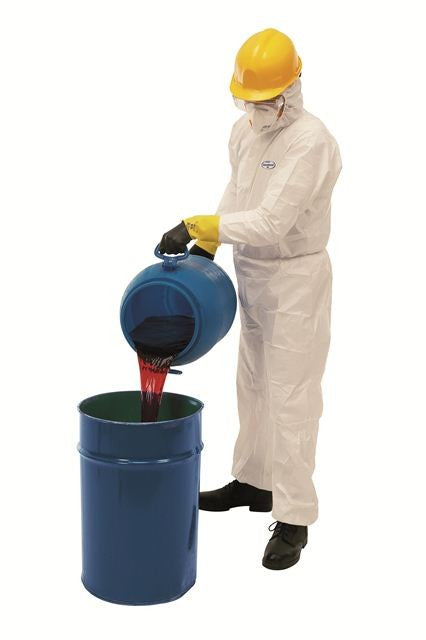
Safety / PPE & Clothing
-
Safety SpectaclesRegular price From £19.00 GBPRegular priceUnit price per
-
Safety HelmetRegular price From £7.43 GBPRegular priceUnit price per
-
Safety Goggles with StrapRegular price From £28.24 GBPRegular priceUnit price per
-
Safety Ear MuffsRegular price From £26.26 GBPRegular priceUnit price per
-
Disposable Ear PlugsRegular price From £19.48 GBPRegular priceUnit price per


Safety / PPE & Clothing
Safety / PPE & Clothing
Personal protective equipment (PPE) helps reduce exposure to common workplace hazards such as flying particles, dust, noise, and overhead impact risks. In many environments—warehousing, logistics, light manufacturing, facilities maintenance, and site work—PPE is used alongside safe systems of work, training, and engineering controls to support safer day-to-day operations.
This category focuses on practical essentials for eye, head, and hearing protection, including safety spectacles, safety goggles with strap, safety helmets, safety ear muffs, and disposable ear plugs. Use the guidance below to understand typical use cases, fit considerations, and how to choose the right option for your task and environment.
Safety / PPE & Clothing — Helpful Guide
Different tasks create different exposure routes. Eye protection is typically selected for impact, dust, and splash risks; hearing protection is selected for noise exposure and communication needs; head protection is selected for overhead hazards such as falling objects or fixed obstructions. The sections below outline the main PPE types in this collection and when each is commonly used.
Eye Protection
Eye protection is generally chosen based on the hazard type (impact, dust, splash), the level of sealing needed around the eyes, and compatibility with other PPE such as helmets and hearing protection.
-
Safety Spectacles
Safety spectacles are commonly used for general tasks where there is a risk of low-to-moderate impact from airborne particles (for example, handling materials, light maintenance, or working near moving equipment). They are typically lightweight and suitable for frequent on/off use during a shift.
-
Safety Goggles with Strap
Safety goggles with a strap provide a closer seal around the eye area than spectacles, which can be helpful in dusty environments or where there is a risk of liquid droplets or splashes. The strap helps maintain a secure fit during movement and can improve stability when worn with other PPE.
Head Protection
Head protection is typically selected where there is a risk of impact from above (falling objects) or contact with fixed overhead hazards. Comfort and adjustability matter for long wear periods, and compatibility with accessories can be important where multiple PPE items are required.
-
Safety Helmet
Safety helmets are used in areas with overhead hazards such as racking, loading bays, maintenance zones, or construction-adjacent work. A well-fitted helmet should sit level, remain stable during movement, and allow space for compatible eye and hearing protection where needed.
Hearing Protection
Hearing protection is selected based on noise exposure, duration, and the need to communicate or hear alarms. Fit and correct use are critical—especially for ear plugs—because poor fit can significantly reduce protection.
-
Safety Ear Muffs
Ear muffs are often chosen for intermittent noise, visitor use, or situations where quick donning and removal is needed. They are generally easy to fit correctly, but the seal can be affected by eyewear arms, hair, or head movement, so checking the fit is important.
-
Disposable Ear Plugs
Disposable ear plugs are commonly used for longer wear in sustained-noise areas and can be comfortable in warm environments. Because performance depends on correct insertion, training and hygiene practices (clean hands, single-use disposal) are essential.
Case Study: Reducing Incidents in a Busy Warehouse
A distribution warehouse experienced recurring minor incidents: eye irritation from dust during pallet breakdown, discomfort complaints in a noisy loading area, and occasional head knocks when staff worked near racking and low beams. The site reviewed tasks by zone and matched PPE to the specific hazards.
Dusty breakdown area: Staff moved from general spectacles to sealed goggles for tasks involving dusty cartons and sweeping, reducing eye irritation reports.
Loading bay noise: Ear muffs were issued for short, intermittent loading tasks and for visitors, while regular staff in sustained-noise areas used disposable ear plugs after fit training.
Overhead hazards: Helmet use was reinforced in racking and maintenance zones, with attention to correct adjustment so helmets stayed stable during bending and lifting.
The key outcome was consistency: PPE selection was tied to specific tasks, staff were trained on correct fit, and supervisors performed quick checks to confirm PPE was worn and adjusted properly.
How to Choose the Correct PPE for Your Task
1) Start with the hazard and exposure route
Identify what could cause harm and how: flying particles (impact), dust (ingress), liquid droplets (splash), noise (sound energy), or overhead impact (falling objects). PPE should match the hazard type rather than being selected solely by habit or convenience.
2) Consider duration and frequency of use
For PPE worn all day, comfort and stability become critical. For PPE used intermittently, ease of donning/doffing and storage may matter more. For example, ear muffs can be convenient for frequent on/off use, while ear plugs may suit longer continuous wear when fitted correctly.
3) Check fit and compatibility with other PPE
Eye + hearing: Ear muff cushions must seal against the head; spectacle arms can break the seal. If both are required, check the fit together.
Helmet + hearing: If head protection is required, ensure hearing protection can be worn without destabilizing the helmet.
Goggles + helmet: Confirm the goggle strap sits comfortably and does not push the helmet out of position.
4) Think about environment: heat, humidity, and contamination
Warm or humid conditions can increase fogging and discomfort. In dusty areas, a closer-sealing eye protector can help reduce ingress. In dirty environments, disposable items may simplify hygiene, but correct disposal and replenishment processes should be in place.
5) Train for correct use and perform quick checks
PPE effectiveness depends on correct use. Simple checks—such as confirming goggles seal around the eyes, ear muffs sit evenly with a full cushion seal, and helmets are adjusted to remain stable—help maintain protection during real work conditions.
Practical Fit & Use Tips
Eye protection tips
Choose spectacles for general particle hazards; choose sealed goggles where dust or splash risks are higher.
Check for pressure points at the nose and temples; discomfort often leads to inconsistent wear.
If fogging occurs, review ventilation, work rate, and whether a closer seal is necessary for the task.
Hearing protection tips
Ear muffs should fully cover the ear with an even seal; hair, eyewear, or headwear can reduce effectiveness.
Disposable ear plugs require correct insertion; poor insertion can greatly reduce protection.
Avoid overprotection where it could reduce awareness of alarms or communication—select protection appropriate to the noise level and task.
Helmet tips
Adjust the suspension so the helmet sits level and stable; it should not rock or slide during movement.
Replace helmets that have sustained impact or show signs of damage, and follow site rules for inspection and replacement intervals.
Confirm compatibility with eye and hearing protection if multiple PPE items are required.
Common Workplace Scenarios and Typical PPE Choices
Picking and packing: Safety spectacles are often used where there is a risk of minor impact or airborne particles.
Dusty cleanup or carton breakdown: Safety goggles with strap can help reduce dust ingress and improve stability during movement.
Loading bays and conveyor areas: Ear muffs or disposable ear plugs may be used depending on noise exposure and how often protection is removed.
Racking, maintenance, or overhead work zones: Safety helmets are commonly required where overhead hazards exist.
Standards and Markings (General Guidance)
Many workplaces specify PPE that aligns with recognized performance standards. For example, eye protection is commonly assessed under EN 166, hearing protection under EN 352, and industrial safety helmets under EN 397. Always follow your site risk assessment and any regulatory or customer requirements for markings, performance levels, and suitability for the task.
Questions & Answers
What is the difference between safety spectacles and safety goggles?
Safety spectacles typically protect against general impact hazards and are lightweight for routine tasks. Safety goggles usually provide a closer seal around the eyes, which can help in dusty areas or where liquid droplets or splashes are possible, depending on the task risk assessment.
When should I choose ear muffs instead of disposable ear plugs?
Ear muffs are often preferred for intermittent noise, visitor use, or when workers need to put protection on and off frequently. They are generally easier to fit correctly. Ear plugs can suit longer continuous wear but rely heavily on correct insertion technique.
How do I know if my hearing protection is fitted correctly?
Ear muffs should fully cover the ears with an even cushion seal against the head; gaps from glasses or hair can reduce protection. Disposable ear plugs should be inserted as trained and feel secure. If speech and alarms become hard to hear, reassess selection.
What tasks typically require a safety helmet in a warehouse or site environment?
Safety helmets are commonly used where there is risk from falling objects or overhead hazards, such as near racking, loading and unloading areas, maintenance zones, or where people work beneath elevated loads. Helmet requirements should be based on a documented risk assessment.
Can I wear eye and hearing protection together comfortably?
Yes, but compatibility matters. Spectacle arms can interfere with ear muff seals, and goggle straps can affect helmet fit. Try the full PPE combination during normal movements and adjust for stability and comfort. If fit issues persist, consider alternative styles or sizing.