
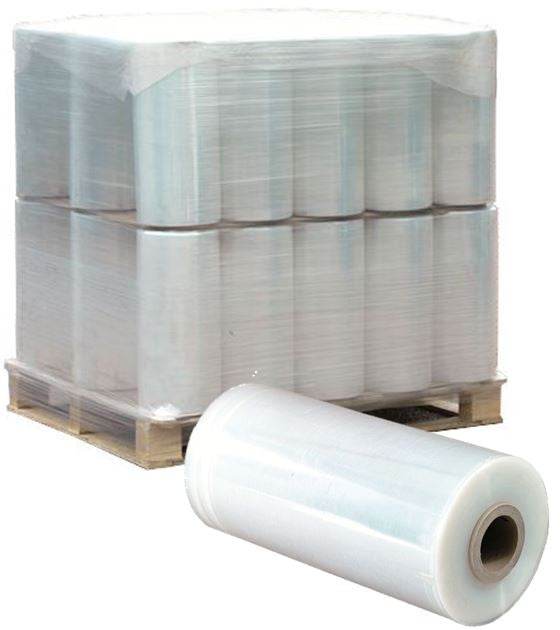
Equipment / Pallet Stretch Wrap Machines
-
Orbitwrap - Installatiion & TrainingRegular price From £63.92 GBPRegular priceUnit price per
-
Orbitwrap - Stretch Wrapping M/C RampRegular price From £216.00 GBPRegular priceUnit price per


Equipment / Pallet Stretch Wrap Machines
Equipment / Pallet Stretch Wrap Machines
Pallet stretch wrap machines are used to apply stretch film around unitized loads so they stay stable during staging, storage, and transport. In many operations, the goal is consistent load containment with less manual handling, fewer wrap-related injuries, and repeatable results across shifts. This collection focuses on two practical needs that often determine whether a stretch-wrapping station runs smoothly: (1) getting the equipment installed and operators trained correctly, and (2) enabling safe, efficient loading when a pallet jack is used instead of a forklift.
Even when the wrapping equipment itself is straightforward, performance depends on setup details such as floor condition, clearances, safe approach paths, and standardized operating steps. Likewise, a ramp accessory can dramatically improve workflow for pallet-jack loading, but only when it is properly aligned, secured, and used with stable loads and good housekeeping.
Pallet Stretch Wrap Machines — Helpful Guide
This guide explains the key items in this category and how they fit into a safe, repeatable pallet-wrapping process.
1) Installation & Operator Training
-
Orbitwrap - Installatiion & Training
Installation and training services help ensure the wrapping station is set up correctly and that operators understand safe loading, cycle selection, emergency stops, and routine checks. Proper training also reduces common issues such as off-center loads, inconsistent film application, and unsafe interaction with moving equipment.
2) Ramp Accessory for Pallet-Jack Loading
-
Orbitwrap - Stretch Wrapping M/C Ramp
A ramp accessory allows a pallet jack to transition onto the wrapper’s turntable area for loading and unloading. It can improve throughput where forklifts are limited, but it introduces specific hazards (pinch points, roll-back risk, and trip hazards) that must be controlled through correct installation, inspection, and operating rules.
Case Study: Reducing Rework and Improving Consistency at a Pallet-Wrapping Station
A common challenge in shipping areas is variability: one operator wraps tightly, another wraps loosely; one centers loads, another starts the cycle with the pallet offset. Over time, this leads to film breaks, leaning loads, and rework (rewrapping or restacking). In a typical improvement effort, the biggest gains come from standardizing three things: (1) how pallets are built and checked before wrapping, (2) how the load is positioned and the cycle is started, and (3) how operators respond to exceptions (damaged pallets, unstable product, or floor debris).
Adding structured installation and operator training establishes a baseline: clear start-up checks, defined wrap patterns for common load types, and consistent rules for when to stop and correct a problem. If pallet jacks are used, adding a properly installed ramp and a marked approach path reduces awkward maneuvers and helps operators load straight-on. The combined result is usually fewer interruptions, less wrap-related damage, and more predictable pallet quality leaving the dock.
How to Choose the Correct Setup for Your Operation
This category includes services and accessories that support a pallet stretch-wrapping station. Use the considerations below to decide what you need first.
Start with your loading method
- Forklift loading: You may prioritize operator training, safe clearances, and standardized wrap cycles.
- Pallet-jack loading: A ramp can be essential for smooth transitions, but it must match the station layout and be used with stable loads and controlled speeds.
Assess your floor and space constraints
- Floor condition: Uneven joints, cracks, or debris near the approach path can cause pallet jack instability and increase the chance of load shift.
- Clearances: Ensure there is enough room to approach straight-on, center the pallet, and exit without striking equipment.
- Traffic management: If pedestrians share the area, consider marked exclusion zones and clear sightlines.
Define what “good” looks like for a wrapped load
- Stability: The load should resist tipping and shifting during normal handling.
- Repeatability: Different operators should produce similar results using the same steps.
- Damage prevention: Wrapping should not crush product, snag corners, or pull items out of alignment.
Installation & Training: What to Expect and Why It Matters
Installation and training are often treated as a one-time event, but they are best viewed as the foundation of a repeatable process. A well-run stretch-wrapping station depends on correct placement, safe access, and operator understanding of both normal cycles and abnormal situations.
Typical installation checkpoints
- Site readiness: Confirm the floor is sound and level enough for stable loading and consistent operation.
- Power and access: Verify electrical requirements and ensure emergency stops are reachable from the approach area.
- Clearances: Confirm there is adequate space for pallet approach, centering, and safe movement around the station.
- Functional verification: Run test cycles to confirm smooth operation and to identify any interference points.
Operator training topics that reduce incidents and downtime
- Pre-use checks: What to look for before starting (obstructions, debris, damaged pallets, and basic equipment condition).
- Loading and centering: How to place the pallet so the wrap pattern performs as intended and the load remains stable.
- Cycle selection: Choosing a wrap pattern appropriate for load height, weight distribution, and product fragility.
- Exception handling: What to do if film breaks, the load shifts, or an unsafe condition appears.
- Emergency response: When and how to use emergency stops and how to keep bystanders clear.
Ramp Use: Safe Loading Practices for Pallet-Jack Operations
A ramp accessory can make pallet-jack loading practical at a stretch-wrapping station, but it changes the risk profile. The transition from floor to ramp to turntable area can create pinch points and roll-back hazards, especially with tall or top-heavy loads. The safest approach is to combine correct ramp installation with disciplined operating steps.
Key hazards to control
- Pinch/crush points: Between the pallet, ramp edges, and adjacent equipment.
- Roll-back risk: Loads can move backward if the operator stops abruptly or the floor is uneven.
- Trip/slip hazards: Film tails, broken pallet boards, and debris near the ramp increase risk.
- Off-center loading: Starting a wrap cycle with an offset pallet can reduce stability and cause film issues.
Ramp installation and acceptance checklist (practical)
- Compatibility: Confirm the ramp is intended for the specific wrapping station configuration.
- Secure attachment: Ensure all fasteners/anchors are installed and tight, and the ramp cannot shift during loading.
- Alignment: The transition should be smooth with no excessive lip or gap that could catch pallet jack wheels.
- Clear rotation path: Verify the ramp does not interfere with moving parts during operation.
- Test with typical loads: Validate loading, centering, and unloading using representative pallet weights and dimensions.
Standard operating steps for pallet-jack loading
- Approach the ramp straight-on and at low speed.
- Confirm the pallet is stable and not damaged before ascending.
- Move onto the station smoothly; avoid sudden stops that can shift the load.
- Center the pallet before starting the wrap cycle.
- Remove the pallet jack fully from the operating area before initiating movement, unless the station’s procedure explicitly allows otherwise.
- Keep hands, feet, and loose clothing clear of moving components at all times.
Improving Load Quality: Practical Tips That Apply to Most Pallets
Many wrap problems are actually pallet-building problems. Stretch film can help contain a load, but it cannot reliably compensate for a broken pallet, severe overhang, or a top-heavy stack. Use these checks to reduce rewraps and shipping damage.
Before wrapping
- Inspect the pallet: Replace pallets with broken boards, protruding nails, or weak stringers.
- Check overhang: Product extending beyond pallet edges is more likely to snag and crush.
- Square the load: Align cartons and layers; avoid “leaning towers.”
- Stabilize the top: If the top layer is uneven, correct it before wrapping.
During wrapping
- Start with a stable base: Ensure the first wraps secure the load to the pallet base where appropriate.
- Watch for shifting: If the load begins to move, stop and correct rather than continuing.
- Keep the area clear: Film tails and debris near the ramp/approach path should be removed immediately.
After wrapping
- Verify stability: The load should not rock excessively when gently pushed at the top.
- Check for damage: Look for crushed corners or pulled cartons that indicate excessive force or snagging.
- Confirm handling readiness: Ensure the pallet can be moved without catching on the ramp or nearby obstacles.
Maintenance and Routine Checks (Operator-Level)
Small issues can quickly become downtime if they are not caught early. A simple routine helps keep the station predictable and safer to use.
- Daily: Inspect the ramp surface for damage or looseness; remove debris; confirm emergency stop access; check the approach path for trip hazards.
- Weekly: Verify fasteners remain tight; inspect for wear points; confirm labels and warnings are readable.
- After any incident: If a load tips, a pallet jack strikes equipment, or the ramp shifts, stop and re-verify alignment and attachment before returning to normal operation.
Common Problems and Practical Fixes
Problem: Loads drift or lean during wrapping
- Re-check pallet condition and load squareness.
- Ensure the pallet is centered before starting.
- Standardize the wrap pattern used for that load type and retrain operators on the steps.
Problem: Pallet jack catches at the ramp transition
- Inspect for debris buildup and remove it.
- Verify ramp alignment and that attachment points are secure.
- Confirm the approach is straight-on and at low speed.
Problem: Frequent interruptions due to unsafe conditions
- Mark a clear operating zone and keep bystanders out.
- Implement a short pre-use checklist and require it at shift start.
- Use refresher training after near-misses or when procedures change.
Questions & Answers
Do I need a ramp if I load pallets with a pallet jack?
If the wrapping station requires the pallet to be moved onto a raised or defined loading area, a ramp can provide a smoother transition for pallet jacks. The key is ensuring the ramp is compatible, securely installed, and used with stable loads and controlled approach speed.
What should operator training cover for a pallet stretch-wrapping station?
Training should include pre-use checks, safe loading and centering, selecting the correct wrap cycle for common load types, recognizing unstable pallets, and responding to film breaks or load shift. Operators should also know emergency stop locations and basic housekeeping rules around the station.
How can I reduce load shifting during wrapping?
Start with a sound pallet and a squared, stable stack. Center the pallet before starting the cycle and avoid wrapping loads that are already leaning or overhanging. If the load begins to move, stop and correct it rather than continuing, then standardize the procedure for that load type.
What are the main safety risks when using a ramp with a pallet jack?
Primary risks include pinch points between the pallet and ramp, roll-back on inclines, and trips caused by film tails or debris. Control these by keeping the area clean, approaching straight-on at low speed, verifying the ramp is secure, and keeping hands and feet clear during loading.
How often should the ramp and station be inspected?
A quick visual check before each shift helps catch loose fasteners, damage, or debris that could cause a catch or slip. More detailed checks can be done weekly, and the station should be re-verified after any incident such as a shifted load, impact, or unexpected ramp movement.