
Protective / Bubble Wrap / Bubble Wrap - Heavy Duty
-
500x100 - Heavy Duty Small Bubble WrapRegular price From £11.12 GBPRegular priceUnit price per
-
1,500x100 - Heavy Duty Small Bubble WrapRegular price From £44.63 GBPRegular priceUnit price per
-
1,200x100 - Heavy Duty Small Bubble WrapRegular price From £35.70 GBPRegular priceUnit price per
-
1,500 Low Tack 60" - BUBBLE WRAP - H/DUTY AP80 x 100mRegular price From £110.40 GBPRegular priceUnit price per


Protective / Bubble Wrap / Bubble Wrap - Heavy Duty
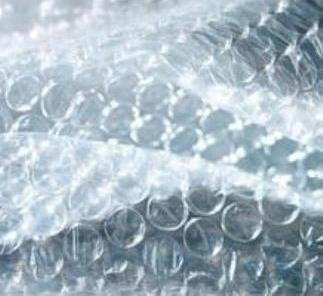
Heavy duty bubble wrap is designed for shipments where standard cushioning isn’t enough—think heavier items, sharp corners, long transit routes, or repeated handling. This collection focuses on small-bubble, heavy duty rolls that provide dense, consistent cushioning while still conforming closely around products for a snug wrap.
Heavy Duty Bubble Wrap — Helpful Guide
Heavy duty small-bubble wrap is commonly chosen when you need a tighter wrap than large-bubble, but with more puncture resistance and load-bearing performance than light-duty films. Small bubbles help reduce shifting and “print-through” on many surfaces, while the heavier film structure helps the bubbles stay intact under compression.
Types of heavy duty bubble wrap in this category
-
Heavy Duty Small Bubble Wrap (standard heavy duty)
A robust small-bubble cushioning roll for general protective wrapping, void fill, and interleaving. Best for boxed goods, parts, and items with edges that can pop lighter bubbles. -
Heavy Duty Small Bubble Wrap (low tack)
A reduced-adhesion surface intended to help minimize cling or marking on sensitive finishes. Often used for painted, polished, laminated, or coated surfaces where you want cushioning without aggressive film grab.
Products available in this collection (with quick use notes)
-
500x100 - Heavy Duty Small Bubble Wrap
A compact heavy duty small-bubble roll suited to smaller packing benches, short runs, and frequent changeovers. Useful for wrapping individual items, layering between products, or lining cartons. -
1,200x100 - Heavy Duty Small Bubble Wrap
A wider roll for faster wrapping of medium-to-large items and for creating continuous cushioning sheets. Good for higher throughput packing where you want fewer roll changes. -
1,500x100 - Heavy Duty Small Bubble Wrap
A high-coverage width that helps reduce seams and overlap when wrapping bulky cartons, furniture components, or multiple items together. Ideal when speed and coverage matter. -
1,500 Low Tack 60" - BUBBLE WRAP - H/DUTY AP80 x 100m
A wide, low-tack heavy duty small-bubble option for protecting sensitive surfaces while still providing strong cushioning. The AP80 designation is commonly used to indicate an 80-micron film thickness class, which is often selected for heavier-duty protection.
Where heavy duty small-bubble wrap performs best
- Fragile items with edges: ceramics, glassware, framed goods, and components with corners that can puncture lighter films.
- Heavier products: small appliances, metal parts, tools, and dense items where compression resistance matters.
- Surface protection: finished panels, coated parts, and polished items—especially when using low-tack grades to reduce cling and scuff risk.
- Interleaving and layering: separating stacked items to reduce abrasion during transport or storage.
Case study: reducing damage on mixed-weight shipments
A packing team shipping mixed cartons (light accessories packed alongside heavier components) noticed that standard cushioning often compressed during transit, allowing heavier items to shift and contact the carton walls. By switching to heavy duty small-bubble wrap for the heavier components and using it as an interleaving layer between items, they reduced bubble collapse and improved stability. The result was fewer corner impacts and less surface abrasion, especially on coated parts. For items with delicate finishes, a low-tack heavy duty wrap helped reduce film grab during unpacking and minimized the chance of rub marks.
How to choose the correct heavy duty bubble wrap
1) Match the roll width to your packing workflow
- Narrower widths (e.g., 500x100 - Heavy Duty Small Bubble Wrap) are easier to handle for single-item wrapping and smaller cartons.
- Mid widths (e.g., 1,200x100 - Heavy Duty Small Bubble Wrap) balance coverage and control for general packing.
- Wide rolls (e.g., 1,500x100 - Heavy Duty Small Bubble Wrap and 1,500 Low Tack 60" - BUBBLE WRAP - H/DUTY AP80 x 100m) reduce seams and speed up wrapping of larger items.
2) Decide whether you need low tack
Choose low tack when you’re wrapping items with finishes that can show scuffs, when you want easier removal, or when standard film cling makes handling awkward. For general corrugated cartons and rugged items, standard heavy duty small-bubble wrap is typically sufficient.
3) Consider cushioning strategy: wrap, line, or interleave
- Wrap: Use multiple layers around the product, paying extra attention to corners and protrusions.
- Line: Create a protective “sleeve” inside the carton to reduce abrasion against corrugated walls.
- Interleave: Place sheets between stacked items to prevent rubbing and to distribute load.
4) Plan for compression and movement
Heavy duty bubble wrap helps resist compression, but performance still depends on how the carton is packed. Avoid leaving large voids that allow items to shift. If voids are unavoidable, combine cushioning with appropriate void fill so the wrapped item stays immobilized.
Best practices for packing with heavy duty small-bubble wrap
- Use enough overlap: Overlap layers so seams don’t open during handling.
- Reinforce corners: Add extra wraps at corners and edges where impacts concentrate.
- Keep bubbles facing inward for cushioning: Many packers prefer bubbles toward the product for better conformity; for delicate finishes, test both orientations and consider low tack to reduce surface interaction.
- Secure without over-taping: Use tape to hold the wrap in place, but avoid excessive tape contact on sensitive surfaces.
- Cut cleanly: A sharp cutter reduces ragged edges that can snag or create weak points.
Storage and handling tips
- Store away from heat and direct sunlight: Helps maintain film flexibility and reduces brittleness over time.
- Keep rolls clean: Dust and grit can increase abrasion risk on finished products.
- Use a dispenser where possible: Improves control, reduces waste, and speeds up wrapping.
Common mistakes to avoid
- Using too few layers on heavy items: Heavy duty helps, but thin wrapping can still bottom out under impact.
- Relying on bubble wrap as the only protection: For very fragile items, combine with a strong carton, corner protection, and immobilization.
- Wrapping sensitive finishes with high-cling film: If removal feels “grabby,” switch to a low-tack option such as 1,500 Low Tack 60" - BUBBLE WRAP - H/DUTY AP80 x 100m.
- Leaving voids in the carton: Movement causes abrasion and impact damage even when cushioning is present.
Q&A
What makes “heavy duty” bubble wrap different from standard bubble wrap?
Heavy duty bubble wrap typically uses a thicker film and stronger bubble structure, which improves puncture resistance and helps bubbles stay intact under compression. This can provide more consistent cushioning for heavier items, sharp edges, and longer transit routes where handling impacts are more likely.
When should I choose small-bubble heavy duty wrap instead of large-bubble?
Small bubbles conform more closely to product shapes and are often preferred for smaller items, tighter wrapping, and interleaving between products. Heavy duty small-bubble is a good choice when you need that close fit but also want improved durability and resistance to bubble collapse.
What does “low tack” mean on bubble wrap, and when is it useful?
Low tack refers to a reduced-adhesion surface designed to lessen cling and help minimize marking on sensitive finishes. It’s useful for painted, polished, laminated, or coated surfaces and for easier removal during unpacking, especially when standard film grab makes handling difficult.
How many layers of heavy duty bubble wrap should I use for shipping?
The right number of layers depends on item weight, fragility, and how much movement is possible inside the carton. As a starting point, wrap until corners and edges feel well padded, then add extra layers at impact points. Immobilize the wrapped item to prevent shifting.
Does bubble wrap protect against scratches as well as impacts?
Bubble wrap primarily cushions against impacts and vibration, but it can also reduce abrasion when used as an interleaving layer. For scratch-sensitive finishes, keep the wrap clean, avoid trapped grit, and consider low-tack grades to reduce cling and friction during removal.