
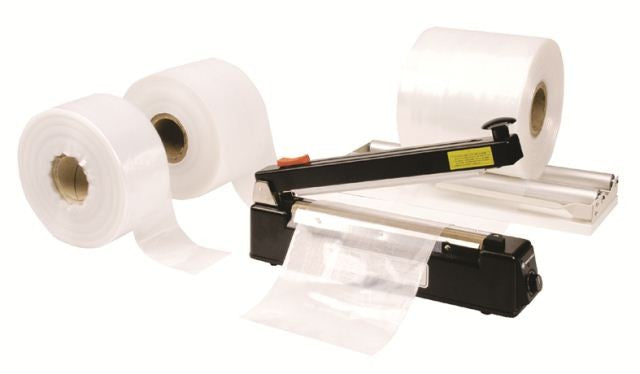
Polythene / Layflat Tubing (Popular) / 120G (30mu) LFT
-
9"x9kg - 120g Lay Flat Tubing (229mm - 30mu)Regular price From £33.42 GBPRegular priceUnit price per
-
4"x8kg - 100g Lay Flat Tubing (102mm - 25mu)Regular price From £25.12 GBPRegular priceUnit price per
-
36"x25kg - 120g Lay Flat Tubing (914mm - 30mu)Regular price From £136.36 GBPRegular priceUnit price per
-
22"x12kg - 80g Lay Flat Tubing (559mm - 20mu)Regular price From £42.42 GBPRegular priceUnit price per
-
18"x18kg - 120g Lay Flat Tubing (457mm - 30mu)Regular price From £92.76 GBPRegular priceUnit price per
-
15"x10kg - 120g Lay Flat Tubing (381mm - 30mu)Regular price From £42.42 GBPRegular priceUnit price per


Polythene Lay Flat tubing made from 30% recycled content material, unless otherwise stated.
Ideal for long and irregular items; make your own size bag - simply heat seal the ends.
Protect blinds, carpets and long pole shaped objects against dust, water and scratches.
Black is also available for security, or colours for quick identification.
Recyclable and Economical
Use impulse heat sealer, for neat professional finish
Bespoke printing
Wide range of widths and thicknesses in stock
Any sizes and gauge, subject to minimum order quantities
Polythene / Layflat Tubing (Popular) / 120G (30mu) LFT
Polythene Layflat Tubing (120g / 30 micron) — Quick Overview
Layflat tubing is a continuous roll of polythene film supplied flattened (“lay flat”). It is designed to let you create custom-length bags and sleeves on demand: cut the tubing to length, seal one end, insert the product, then seal the other end. This collection focuses on popular sizes in 120 gauge (approx. 30 micron) layflat tubing, a versatile thickness commonly used for general protection and light-to-medium duty packaging.
The tubing in this range is described as being made with recycled content (unless otherwise stated), is recyclable where suitable facilities exist, and is intended for use with an impulse heat sealer to achieve a neat, consistent seal. Layflat tubing is especially useful for long, awkward, or irregular items where pre-made bags are inconvenient or wasteful.
Polythene Layflat Tubing (Popular) — Helpful Guide
1) Clear layflat tubing for made-to-measure sleeves and bags
Clear layflat tubing is commonly chosen when you want visibility of the packed item for identification, checking, or scanning. It is also practical for protecting products from dust, light splashes, and handling marks during storage and transit. In 120g (30 micron), it is often used for general-purpose protection of long items such as blinds, trims, profiles, poles, and rolled materials.
-
4"x8kg - 100g Lay Flat Tubing (102mm - 25mu)
Compact-width layflat tubing for narrow items and components. A lighter 25 micron option when minimal film thickness is sufficient and you want to reduce material use. -
9"x9kg - 120g Lay Flat Tubing (229mm - 30mu)
A popular mid-width size in 30 micron for protecting longer products and bundling multiple smaller items into one sealed sleeve. -
15"x10kg - 120g Lay Flat Tubing (381mm - 30mu)
Wider 30 micron tubing suited to bulkier profiles, grouped items, or products that need extra clearance for easy insertion before sealing. -
18"x18kg - 120g Lay Flat Tubing (457mm - 30mu)
A versatile wide format for larger cross-sections, protective sleeves over assembled parts, or packing items with protrusions where a narrower sleeve would snag. -
22"x12kg - 80g Lay Flat Tubing (559mm - 20mu)
A wider but thinner option for large, lightweight items where coverage matters more than puncture resistance, and where careful handling is expected. -
36"x25kg - 120g Lay Flat Tubing (914mm - 30mu)
Extra-wide 30 micron layflat tubing for very large items, wide panels, or for creating oversized protective covers and liners cut to length.
2) Coloured and black layflat tubing (when specified)
Some layflat tubing ranges include black film for obscuring contents (useful for security and privacy) and coloured film for quick identification, sorting, or process control. If you are standardising packaging across multiple product lines, colour-coding can reduce picking errors and speed up dispatch. Where colour options are listed for a specific size, they can be used in the same cut-and-seal workflow as clear tubing.
Typical Uses and Practical Benefits
- Made-to-measure packaging: Reduce wasted film by cutting only what you need, especially for variable-length products.
- Protection from dust and handling: Helps keep surfaces clean and reduces scuffs during storage, assembly, and transport.
- Fast packing workflow: With a suitable impulse sealer, operators can produce consistent seals quickly with minimal training.
- Flexible inventory: One roll can replace multiple pre-made bag sizes, simplifying stockholding.
- Recyclability: Polythene film is widely recyclable in many commercial waste streams where clean and segregated.
Case Study: Protecting Long, Irregular Items Without Overpack
A workshop producing made-to-order blinds and long trim pieces often faces a packaging challenge: lengths vary daily, and pre-made bags rarely fit well. Oversized bags waste material and can allow the product to slide, increasing the chance of edge damage. Switching to layflat tubing allows the team to cut sleeves to the exact length, seal both ends, and create a snug protective cover.
In practice, operators select a tubing width that comfortably clears the product’s widest point (including brackets or end caps). They seal one end, insert the item, and seal the other end with an impulse sealer. The result is a clean, consistent pack that protects against dust and light moisture during storage and reduces scuffing during handling. Because the tubing is supplied on a roll, the packing station can run continuously with minimal downtime.
How to Choose the Correct Layflat Tubing
Step 1: Choose the right width (most important)
Layflat tubing width is measured across the flattened tube. When opened, the tubing forms a circumference roughly equal to twice the layflat width. As a practical rule, choose a layflat width that gives enough clearance for the product to slide in easily without stretching the film or snagging on corners.
- Measure the product’s perimeter: For rectangular items, estimate perimeter as 2 × (width + thickness). For round items, use circumference (π × diameter).
- Add clearance: Add extra allowance for protrusions, sharp edges, or if you need to insert quickly on a packing line.
- Check sealer capacity: Ensure your impulse sealer jaw length is at least as wide as the tubing you plan to seal.
Step 2: Choose thickness (micron / gauge) for the job
Film thickness affects puncture resistance, tear resistance, and how the pack behaves during handling. In this collection, 120g (approx. 30 micron) is a common general-purpose choice. Thinner options (such as 20–25 micron) can be suitable for lighter items or controlled environments, while thicker films are often preferred for sharper edges, heavier products, or rough handling.
- 30 micron (120g): Balanced option for everyday protection and general packing tasks.
- 20–25 micron: Lower material use for lightweight items; best where puncture risk is low.
Step 3: Consider recycled content and end-of-life handling
Where recycled content is specified, it can help reduce reliance on virgin material while maintaining practical performance for many packaging tasks. For recycling, keep film clean and dry where possible and segregate from mixed waste. Local recycling acceptance varies, so confirm with your waste contractor or local facility.
Step 4: Plan your sealing method
Layflat tubing is commonly sealed using an impulse heat sealer. Impulse sealers heat only during the sealing cycle, which helps produce consistent seals on polythene film. For best results, match the sealer to the film width and choose a seal time that creates a uniform weld without excessive melting.
- Seal quality checks: A good seal looks even across the width and resists peeling when pulled firmly.
- Double sealing: For higher confidence, some operations apply two parallel seals, especially for heavier contents.
- Sharp edges: If products have corners or burrs, consider adding edge protection or increasing thickness to reduce punctures.
Handling, Storage, and Best Practice Tips
- Store rolls correctly: Keep rolls clean, dry, and away from direct sunlight and heat sources to maintain film performance.
- Prevent contamination: Dust and oils can reduce seal strength; keep sealing bars clean and avoid sealing over debris.
- Cutting: Use a safe cutting method (bench cutter or guarded blade) to achieve straight edges and consistent pack lengths.
- Labelling: Apply labels to the outside of the sleeve; if you need labels to adhere reliably, ensure the film surface is clean and dry.
- Static: Polythene can generate static; in dry environments, anti-static handling practices may improve packing speed.
Frequently Asked Questions (Q&A)
What does “layflat width” mean, and how do I size it for my product?
Layflat width is the measurement across the tubing while it is flattened. When opened, the tubing’s circumference is roughly twice the layflat width. To size it, estimate your product’s perimeter and choose a layflat width that provides comfortable clearance for insertion and sealing.
Is 30 micron layflat tubing strong enough for shipping?
30 micron film is commonly used for general protection against dust, light moisture, and handling marks. Suitability for shipping depends on product weight, edge sharpness, and transit conditions. For heavy or sharp items, consider additional protection or a thicker film to reduce punctures.
Can I use an impulse heat sealer with layflat tubing, and what affects seal quality?
Yes, impulse heat sealers are widely used for sealing polythene layflat tubing. Seal quality depends on correct time and pressure, clean sealing bars, and film condition. A good seal is even and resists peeling. Test settings when changing film thickness or width.
How do I reduce waste when using layflat tubing?
Measure and standardise common pack lengths, then cut consistently to avoid over-length sleeves. Choose the narrowest width that still allows easy insertion, and match thickness to the handling risk. Keeping a simple sizing chart at the packing station helps reduce trial-and-error cuts.
Is layflat tubing recyclable, and how should it be disposed of?
Polythene film is often recyclable through commercial recycling streams when it is clean and segregated. Acceptance varies by local facility and waste contractor. To improve recyclability, keep film free from labels, tape, and contamination where possible, and store used film dry before collection.