
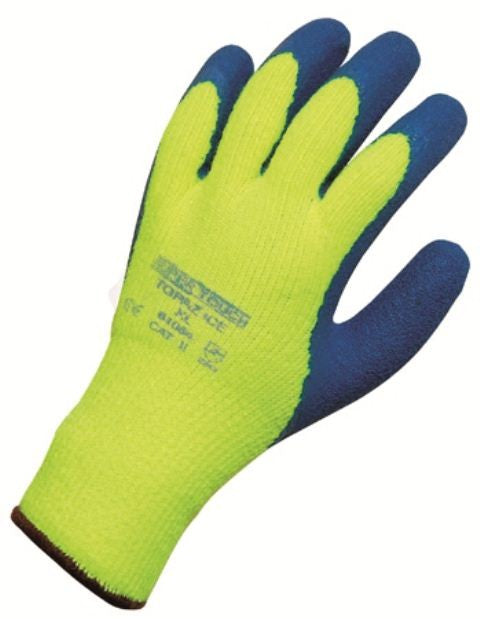
Safety / PPE & Clothing / Thermal Gloves
-
Mens Fingerless Thermal GlovesRegular price From £9.87 GBPRegular priceUnit price per

Safety / PPE & Clothing / Thermal Gloves
Thermal gloves are designed to reduce heat loss from the hands in cool-to-cold environments while maintaining enough dexterity for everyday tasks. In this collection, the focus is on a fingerless style that keeps the palm, back of hand, and wrist warmer while leaving fingertips free for fine handling, operating controls, scanning, writing, or using touchscreens. Fingerless thermal gloves are often chosen for intermittent cold exposure, indoor/outdoor transitions, and tasks where full-finger insulation would reduce tactile feedback.
Thermal Gloves — Helpful Guide
Fingerless thermal gloves sit between lightweight glove liners and fully insulated winter gloves. They are primarily about balancing warmth and dexterity. Because fingertips are uncovered, they are not the right choice for every cold-weather job—especially where contact with cold surfaces, wind chill, or wet conditions can rapidly cool exposed skin. Use the sections below to understand where fingerless thermal gloves fit, what to look for, and how to select the right pair for your work pattern.
Types of thermal handwear commonly used for work
- Fingerless thermal gloves: Warmth for the palm/back of hand with maximum fingertip dexterity. Best for light-to-moderate cold where precision handling is frequent.
- Full-finger insulated gloves: Better overall warmth and coverage, typically preferred for prolonged outdoor exposure or very cold conditions.
- Thermal liners: Thin insulating layers worn under task-specific gloves (e.g., cut-resistant or chemical-resistant gloves) when warmth is needed without changing the outer glove type.
- Convertible mitt/fingerless hybrids: Fingerless base with a fold-over mitten flap for quick warmth when dexterity is not required.
This category collection currently includes a fingerless thermal option suited to dexterity-first tasks.
Products in this collection
- Mens Fingerless Thermal Gloves — A fingerless thermal glove intended to keep the hand and wrist warmer while leaving fingertips exposed for precision work. Useful for handling small parts, operating handheld devices, and tasks where grip and tactile feedback matter.
Where fingerless thermal gloves work well (and where they do not)
Good use cases
- Picking, packing, and scanning: Fingertip access helps with labels, tape edges, barcode scanners, and touchscreens.
- Light maintenance and inspection: Better feel for fasteners, clips, and small components.
- Driving and equipment operation: Warmth around the hand with control feel preserved.
- Indoor/outdoor transitions: Helpful when moving between heated spaces and cooler loading bays or yards.
Limitations to consider
- Exposed fingertips: Heat loss is faster at the fingertips, so comfort can drop quickly in wind or very low temperatures.
- Reduced protection coverage: If your risk assessment requires full-finger protection (thermal or mechanical), a fingerless glove may not meet the need.
- Wet conditions: Moisture can reduce insulation performance; consider water-resistant options or layered systems if hands may get wet.
How thermal insulation in gloves works
Most thermal gloves rely on trapped air within the fabric structure to slow heat transfer away from the skin. Knit constructions and brushed linings can hold pockets of still air, reducing convective heat loss. A cuff that covers the wrist can also help because the wrist is a common point of heat loss. Fingerless designs can still feel warm overall, but the uncovered fingertips remain a primary pathway for heat loss—especially when handling cold items or working in moving air.
Materials and construction features to look for
Thermal performance and durability depend on the shell material, any lining/insulation, and how the glove fits. While exact materials vary by product, the features below are commonly relevant when evaluating fingerless thermal gloves for work.
Shell fabrics
- Acrylic and polyester knits: Common for lightweight warmth and easy care; often used for general-purpose thermal gloves.
- Nylon blends: Can improve abrasion resistance and help the glove keep its shape.
- Elastic fibers (e.g., elastane): Improve fit and reduce bunching, which helps dexterity.
Lining and insulation
- Brushed or fleece-like interiors: Add warmth and comfort with minimal bulk.
- Low-bulk synthetic insulation: Designed to provide warmth without significantly reducing finger movement.
Cuff and wrist coverage
- Longer cuffs: Help reduce drafts at the wrist and can overlap with jacket sleeves.
- Snug cuffs: Improve heat retention and reduce the chance of the glove slipping during repetitive tasks.
Grip and handling
Fingerless gloves are often selected for handling tasks, so grip matters. Depending on the design, grip may come from the knit texture itself or from added grip features. If you frequently handle smooth cartons, plastic wrap, or tools, prioritize a secure, consistent grip that does not compromise dexterity.
Case study: improving dexterity in a cold loading bay
A small distribution team works between a heated packing area and a cooler loading bay. Staff need to scan barcodes, peel labels, and tie off stretch wrap while also moving cartons and operating pallet jacks. Full insulated gloves kept hands warm but slowed scanning and made it harder to separate label liners and tape ends. Switching to fingerless thermal gloves improved fingertip control for scanning and label handling while still reducing overall hand chill during short loading-bay tasks. For longer outdoor exposure, the team kept full-finger insulated gloves available as a secondary option.
How to choose the correct thermal gloves for your task
1) Start with exposure: temperature, wind, and duration
Cold stress depends on more than air temperature. Wind increases convective heat loss, and long exposure reduces comfort even at moderate temperatures. If you are outdoors for extended periods or frequently handle cold metal, a full-finger insulated glove may be more appropriate than a fingerless style.
2) Identify the dexterity requirement
If your work involves frequent fine handling—small parts, fasteners, scanners, touchscreens, writing, or control panels—fingerless thermal gloves can be a practical compromise. If you rarely need fingertip precision, full-finger insulation typically provides better warmth.
3) Consider contact with cold surfaces
Handling cold items (metal components, chilled goods, cold tools) can pull heat from the hand quickly. In these cases, look for designs that provide adequate insulation across the palm and back of hand, and consider whether exposed fingertips will be a comfort or safety issue.
4) Check for moisture and contamination risks
Moisture reduces insulation performance. If hands may get wet, consider a layered approach (a thermal liner under a protective outer glove) or choose gloves intended for damp environments. Also consider whether the glove may be exposed to oils, dirt, or other contaminants that affect grip and hygiene.
5) Fit and sizing: warmth depends on circulation
Fit is critical. Gloves that are too tight can restrict circulation and compress insulating fibers, making hands feel colder. Gloves that are too loose can reduce grip and increase snag risk. As a general approach, measure hand circumference around the palm (excluding the thumb) and compare to the manufacturer’s sizing guidance. For fingerless gloves, also check that the thumb opening sits comfortably and that the cuff stays in place during repeated movements.
6) Compatibility with other PPE
Ensure the glove does not interfere with sleeves, wrist guards, or other protective equipment. If you need additional protection (e.g., cut resistance, chemical resistance, or impact protection), a fingerless thermal glove may be best used as part of a layered system rather than as the only hand protection.
Understanding common glove standards (when applicable)
Work gloves may reference performance standards depending on their intended protective claims. Two standards often encountered in occupational settings are:
- EN 511 (protection against cold): Evaluates performance against convective cold, contact cold, and (where relevant) water penetration. Gloves marked to this standard typically show a pictogram with performance levels.
- EN 388 (mechanical risks): Covers abrasion, cut, tear, and puncture resistance (with optional additional tests). If a glove claims mechanical protection, look for the declared ratings and ensure coverage matches the hazard area.
Not all thermal gloves are certified to these standards. If your workplace requires regulated PPE, confirm that the glove’s markings, instructions, and declared performance match your risk assessment and the tasks performed.
Care, cleaning, and service life
Thermal gloves last longer and perform more consistently when cared for correctly. Always follow the care label for the specific product. The guidance below is general and should be adapted to the glove’s materials and any grip features.
Cleaning tips
- Routine cleaning: Remove loose dirt and allow gloves to dry fully between uses to reduce odor and maintain comfort.
- Washing: Use mild detergent and avoid harsh chemicals unless the care label permits them. High heat can shrink knits or degrade elastic fibers.
- Drying: Air drying helps preserve shape and elasticity. Avoid high-temperature tumble drying unless explicitly allowed.
Inspection and replacement
Before use, check for thinning fabric, torn seams, stretched cuffs, or loss of insulation loft. Replace gloves when fit is compromised, grip becomes unreliable, or warmth noticeably decreases. In safety-critical environments, follow site procedures for PPE inspection and replacement intervals.
Practical layering strategies for cold work
If fingerless thermal gloves provide the dexterity you need but not enough warmth for certain periods, layering can help:
- Keep a warmer backup: Use fingerless gloves for precision tasks and switch to full-finger insulated gloves for breaks or longer outdoor exposure.
- Use task-based switching: Wear fingerless gloves for scanning/labeling and change to more protective gloves for handling cold stock or working in wind.
- Manage moisture: If hands sweat, take short breaks to dry hands and gloves; moisture can make hands feel colder over time.
Q&A
Are fingerless thermal gloves suitable for very cold outdoor work?
They can help during short exposures, but uncovered fingertips lose heat quickly in low temperatures and wind. For prolonged outdoor work or when handling cold materials, full-finger insulated gloves or a layered system usually provides more consistent warmth and better overall coverage.
How do I choose the right size for thermal gloves?
Choose a size that feels snug without restricting movement. Gloves that are too tight can reduce circulation and compress insulation, making hands colder. Gloves that are too loose can slip and reduce grip. Measure palm circumference and compare with the product’s size guidance.
Do thermal gloves protect against mechanical hazards like cuts and abrasion?
Warmth and mechanical protection are different performance goals. Some gloves may include materials or ratings for abrasion or cut resistance, but many thermal gloves focus mainly on insulation. If mechanical hazards exist, confirm the glove’s declared ratings and ensure protection covers the risk areas.
What’s the best way to care for knit thermal gloves?
Follow the care label. In general, wash with mild detergent on a gentle cycle and avoid high heat, which can shrink knits or damage elastic fibers. Let gloves dry fully between uses. Replace them if seams split, fabric thins, or warmth and fit noticeably decline.
Can I use fingerless thermal gloves with touchscreens and scanners?
Fingerless designs often work well with touchscreens and handheld scanners because fingertips remain uncovered, preserving tactile control. However, exposed fingertips can become cold during extended use. If you need more warmth, consider switching tasks periodically or keeping a warmer backup glove available.