
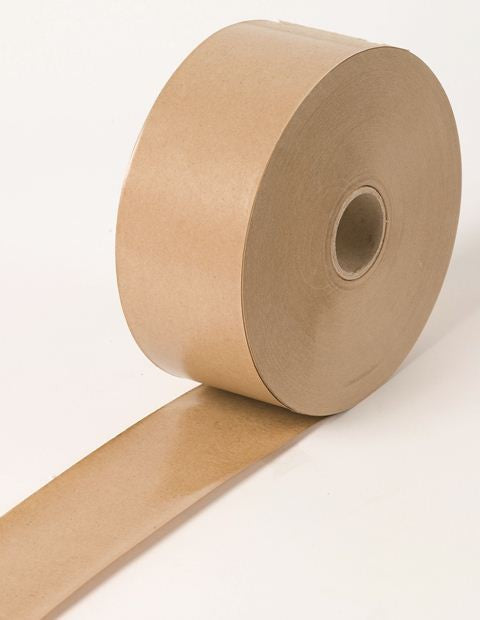
Tapes / Specialist Tapes / Gummed Paper Tape
-
24mmx200m - 60gsm GSI Brown Gummed Paper TapeRegular price From £2.49 GBPRegular priceUnit price per
-
48mmx200m - 70gsm White Gummed Paper TapeRegular price From £2.49 GBPRegular priceUnit price per
-
96mmx200m - 60gsm GSI Gummed Paper TapeRegular price From £2.49 GBPRegular priceUnit price per
-
36mmx200m - 60gsm GSI Brown Gummed Paper TapeRegular price From £2.49 GBPRegular priceUnit price per
-
96mmx100m - GSI Reinforced Gummed Paper TapeRegular price From £4.97 GBPRegular priceUnit price per
-
70mmx100m - GSI Reinforced Gummed Paper TapeRegular price From £5.15 GBPRegular priceUnit price per
-
48mmx100m - GSI Reinforced Gummed Paper TapeRegular price From £4.97 GBPRegular priceUnit price per
-
192mmx200m - GSI Gummed Paper TapeRegular price From £4.97 GBPRegular priceUnit price per
-
75mmx50m - S/A-Kraft Paper TapeRegular price £0.00 GBPRegular priceUnit price per
-
70mmx200m - 70gsm GSD Gummed Paper TapeRegular price From £2.49 GBPRegular priceUnit price per
-
50mmx50m - Self Adhesive Brown Kraft Paper Tape SolventRegular price From £2.49 GBPRegular priceUnit price per
-
48mmx200m - 70gsm GSI Brown Gummed Paper TapeRegular price From £3.63 GBPRegular priceUnit price per
-
38mmx50m - S/A-Mat Kraft Paper TapeRegular price £0.00 GBPRegular priceUnit price per
-
25mmx50m - S/A-Kraft Paper TapeRegular price £0.00 GBPRegular priceUnit price per


Water activated gummed paper tape. Strong, reliable and resistant to humidity and temperature changes.
Once applied it provides a tamper evident seal. Any attempts to open will result in obvious damage to the carton.
- Environmentally friendly
- 100% Recyclable
- Tamper evident
- Cost Effective
Tapes / Specialist Tapes / Gummed Paper Tape
GSI means it is wound "Gum Side In"
| Order Code | Size W x L | Type | Pack Quantity |
| 13P25G | 24mm x 200m | Plain | 48 |
| 13P36G | 36mm x 200m | Plain | 32 |
| 13P50G | 48mm x 200m | Plain | 24 |
| 13P50GW | 48mm x 200m | Plain - White | 24 |
| 13P70G | 70mm x 200m | Plain | 16 |
| 13P96G | 96mm x 200m | Plain | 12 |
| 13PR2 | 48mm x 100m | Reinforced | 24 |
| 13PR3 | 70mm x 100m | Reinforced | 16 |
| 13PR4 | 96mm x 100m | Reinforced | 12 |
| 13P8B | 192mm x 200m | GSI | 9 |
Gummed Paper Tape for Carton Sealing
Gummed paper tape (also called water-activated tape) is a carton-sealing tape that uses a water-activated adhesive to bond directly to corrugated board. When correctly applied, it forms a strong seal that becomes part of the carton surface rather than simply sticking to it. This makes it a practical choice for shipping operations that want consistent closure performance, a neat paper finish, and a seal that shows clear evidence if the carton is opened and reclosed.
In this collection you’ll find gummed paper tape in multiple widths and roll lengths, including plain (standard) paper tape and reinforced options designed for heavier cartons. The range also includes a white plain option for applications where a lighter tape appearance is preferred.
Gummed Paper Tape — Helpful Guide
Water-activated tape is supplied on a roll with a dry adhesive layer. During packing, the adhesive is activated with water (typically via a manual or electronic dispenser). The tape is then applied to the carton seam and pressed down to ensure full contact. As it dries, the adhesive bonds to the carton fibres, creating a secure closure.
Types of gummed paper tape in this category
-
Plain gummed paper tape (standard)
A general-purpose water-activated paper tape used for sealing regular slotted cartons and many day-to-day shipping boxes. It is commonly selected for routine parcel dispatch, warehouse picking/packing, and situations where a paper-based seal is preferred.- 13P25G — 24mm x 200m plain gummed paper tape for narrow seams, small cartons, and light-duty closure lines.
- 13P36G — 36mm x 200m plain tape for small-to-medium cartons where a slightly wider seal improves coverage.
- 13P50G — 48mm x 200m plain tape, a common width for centre-seam sealing on standard cartons.
- 13P50GW — 48mm x 200m plain white tape for a lighter appearance while keeping the same water-activated sealing method.
- 13P70G — 70mm x 200m plain tape for wider seams, heavier flaps, or when you want more surface coverage across the join.
- 13P96G — 96mm x 200m plain tape for very wide coverage, overlap sealing, or cartons that benefit from a broader paper seal.
-
Reinforced gummed paper tape
Reinforced gummed tape includes strengthening filaments (often glass fibre) embedded in the paper. This increases tensile strength and helps resist tearing, making it useful for heavier cartons, longer distribution cycles, and shipments where the carton may be handled repeatedly.
What “GSI” means (Gum Side In)
GSI indicates the tape is wound “gum side in”, meaning the adhesive-coated side faces inward on the roll. This winding style helps protect the adhesive surface during storage and handling and is commonly used with water-activated tape dispensers.
Case Study: Reducing carton failures on a mixed-weight dispatch line
A warehouse dispatching a mix of lightweight parcels and heavier multi-item cartons was seeing inconsistent results with carton sealing. The main issues were edge lifting on dusty cartons, occasional seam splits on heavier boxes, and difficulty spotting cartons that had been opened and reclosed during internal handling.
They standardised their process around water-activated gummed paper tape and introduced two tape “rules” based on carton weight and handling intensity. For routine parcels and clean, good-quality corrugate, they used plain gummed tape in a standard width. For heavier cartons and shipments likely to be handled multiple times, they switched to reinforced gummed tape and increased tape width for better seam coverage.
Alongside the tape change, they improved application consistency by ensuring the tape was properly activated, applied with firm pressure, and allowed to set before cartons were stacked. The result was fewer seam failures and clearer evidence when cartons were opened, because the paper tape tended to tear carton fibres or show visible disturbance when removed.
How to choose the correct gummed paper tape
1) Match tape type to carton weight and handling
- Plain tape is typically suitable for standard cartons, everyday parcel shipping, and general warehouse use.
- Reinforced tape is often preferred for heavier cartons, double-walled corrugate, export shipments, or packs that may be dragged, strapped, or handled repeatedly.
2) Choose an appropriate width for seam coverage
Width affects how much of the carton seam is covered and how well the tape bridges minor gaps or uneven flaps. Narrow widths can work well on small cartons and tidy seams. Wider tapes provide more surface area and can improve performance on larger cartons, rougher corrugate, or where you want extra overlap across the join.
- 24–36mm: small cartons, narrow seams, light-duty closure.
- 48mm: common all-round width for many standard cartons.
- 70–96mm: larger cartons, wider seams, or when increased coverage is beneficial.
3) Consider roll length and changeover frequency
Longer rolls can reduce changeovers on busy packing benches, while shorter rolls may be easier to handle in some dispenser setups. When comparing options, consider both the roll length and the pack quantity so you can estimate how often operators will need to reload.
4) Think about the carton surface and environment
Water-activated tape bonds to corrugated fibres, so carton quality matters. Very dusty cartons, high moisture content, or damaged corrugate can reduce sealing consistency. Temperature and humidity can also influence activation and drying time. If your packing area is unusually cold, hot, or humid, it’s worth running a short trial to confirm settings and technique.
Application tips for consistent results
- Use the right amount of water: Too little water can lead to poor activation; too much can over-wet the paper and slow drying. Aim for an evenly activated adhesive layer.
- Apply with firm pressure: Press the tape down along the full seam so it makes complete contact with the carton surface, especially at the edges.
- Allow time to set: The bond strengthens as the adhesive dries. Avoid immediately stressing the seam by overfilling or stacking cartons too soon.
- Keep cartons and tape acclimatised: Bringing cold cartons into a warm packing area (or vice versa) can create condensation and affect adhesion. Where possible, store materials in the same environment as packing.
- Maintain the dispenser: Clean brushes, water reservoirs, and cutting blades help ensure even activation and clean tape cuts.
Tamper evidence: what it means in practice
Gummed paper tape is widely used where a tamper-evident seal is helpful. Because the adhesive bonds into the carton surface, removing the tape often tears carton fibres or visibly damages the tape. This makes it easier to spot cartons that have been opened. However, tamper-evident does not mean tamper-proof; a carton can still be cut open and resealed by other means. For higher-risk shipments, combine good sealing with appropriate security processes.
Recycling and sustainability considerations
Paper-based gummed tape is often chosen as an alternative to plastic carton-sealing tapes. In many operations, it can simplify the carton’s material mix at the point of disposal. Reinforced gummed tape contains strengthening filaments, which may be treated differently by some recycling systems. If recyclability is a key requirement, confirm local recycling guidance for reinforced paper tapes and corrugated packaging.
Common mistakes to avoid
- Under-activating the adhesive: leads to lifting edges and weak bonds.
- Over-wetting: can cause curling, wrinkling, or slow drying, especially in humid conditions.
- Applying to poor carton surfaces: crushed, dusty, or damp corrugate reduces bond quality.
- Choosing too narrow a tape for the job: insufficient seam coverage can increase the chance of splits on heavier cartons.
- Not pressing down the edges: edges are where lifting often starts; ensure full contact along both sides of the seam.
Q&A
What is the main difference between gummed paper tape and standard packing tape?
Gummed paper tape uses a water-activated adhesive that bonds into corrugated fibres as it dries. Standard packing tape is pressure-sensitive and relies on tack to stick to the surface. This difference affects seal strength, appearance, and how easily tampering is noticed.
When should I choose reinforced gummed paper tape instead of plain?
Choose reinforced gummed tape for heavier cartons, double-walled boxes, or shipments that may be handled repeatedly. The reinforcement improves tensile strength and tear resistance, helping the seal stay intact under higher loads and rougher handling during storage and transit.
How do I pick the right tape width for my cartons?
Select a width that covers the centre seam with enough overlap onto the carton panels. Narrow widths can suit small cartons and tidy seams, while wider tapes provide more coverage for larger cartons, uneven flaps, or heavier packs where extra surface area helps.
Does gummed paper tape work well in humid or cold environments?
It can, but conditions affect activation and drying. High humidity may slow drying and increase curling if over-wet, while cold cartons can reduce bond formation. Store tape and cartons in stable conditions, use correct water settings, and test seals when conditions change.
Is gummed paper tape recyclable with the carton?
Plain paper gummed tape is often considered compatible with corrugated recycling because it is paper-based. Reinforced versions include filaments that some recycling systems may treat differently. If recycling outcomes are critical, check local guidance for reinforced paper tapes and corrugate.