
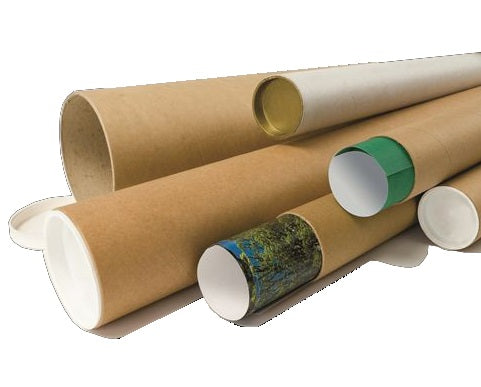
Postal / Postal Tubes & Caps
-
330x50x2 - Postal Tubes + End CapsRegular price From £1.25 GBPRegular priceUnit price per
-
450x50x1.5 - Postal Tubes + End CapsRegular price From £1.50 GBPRegular priceUnit price per


Postal / Postal Tubes & Caps
Postal Tubes & End Caps
Postal tubes are a practical way to protect items that are easily creased, bent, or crushed in transit. A rigid, round tube helps prevent corner damage and reduces the risk of folding compared with flat mailers. This category focuses on postal tubes supplied with matching end caps, plus separate end caps for common tube diameters—ideal for shipping posters, plans, prints, banners, rolled documents, and other long, lightweight items that need crush resistance.
Many tube sizes are written in a simple format such as Length x Diameter x Wall thickness. For example, a listing like 925x75x3 typically indicates a 925 mm long tube, 75 mm diameter, with a 3 mm wall. Understanding these measurements helps you choose a tube that fits your contents while staying efficient for storage and shipping.
Postal Tubes & Caps — Helpful Guide
This guide explains the main packaging types in this collection and links to the relevant products already listed on this page. Use it to match tube length, diameter, and closure style to your application.
1) Postal tubes supplied with end caps (push-fit closures)
These are rigid cardboard postal tubes supplied with compatible end caps. Push-fit caps are commonly used because they are quick to apply and remove, and they create a snug closure when correctly matched to the tube size. They are well suited to posters, prints, and rolled documents where you want a simple, repeatable packing process.
- 240x50x1½ - Postal Tubes + End Caps — compact tube size for smaller rolled items and short documents.
- 330x50x2 - Postal Tubes + End Caps — a longer 50 mm tube option for slightly larger rolled contents.
- 450x50x1.5 - Postal Tubes + End Caps — mid-length tube for posters or prints that roll tightly.
- 925x75x3 - Postal Tubes + End Caps — larger diameter and longer length for bigger posters, plans, or multiple sheets.
- 2550x101.6x3 - Postal Tubes + End Caps — extra-long tube for long-format items such as banners, large plans, or oversized prints.
2) Postal tubes supplied with stapled end caps (tamper-resistant closure style)
Some tube-and-cap sets use stapled end caps. This closure style is often chosen when you want additional resistance to caps being pushed out during handling, or when you prefer a more secure closure for longer journeys. Stapled caps can also help when tubes are packed tightly together and may experience end pressure.
- 2230x101.6x3 - Postal Tubes + Stapled End Caps — long, wide tube format with a closure style designed for secure retention.
- 2230x44.45x3 - Postal Tubes + Stapled End Caps — long tube with a narrower diameter for slim rolled items.
3) Separate end caps (replacement caps and spares)
Separate end caps are useful when you need replacements, want spares for high-throughput packing, or use tubes that are supplied without caps. End caps must match the tube size and fit type. Many caps are described by the tube diameter they fit; always confirm whether the stated size refers to the tube’s internal diameter or the nominal tube size used by the supplier.
- 2" - End Caps — common size for smaller mailing tubes used for compact posters and documents.
- 4" - End Caps — larger cap size for wider tubes used for thicker rolls or multiple sheets.
- 88.9mm - End Caps — metric size often aligned with 3.5" nominal tube formats.
- 50.8mm - End Caps — metric size aligned with 2" nominal tube formats.
- 6" - End Caps — very wide cap size for large-diameter tubes and bulky rolled contents.
Case Study: Reducing Transit Damage for Rolled Prints
A small print-and-ship workflow often starts with flat mailers, but damage rates can rise when prints are large, when couriers stack parcels, or when packages are exposed to edge impacts. Switching to a rigid postal tube can reduce creasing and corner damage because the tube’s round profile resists bending and distributes load more evenly.
In a typical scenario, the shipper standardizes on two tube diameters: a smaller diameter for single posters that can be rolled safely, and a larger diameter for premium prints or multi-sheet orders. The larger diameter reduces curl memory and makes unpacking easier for the recipient. Adding a consistent internal packing method—such as a protective sleeve around the print and a simple end spacer—helps keep the roll centered and reduces scuffing at the tube ends.
Where parcels are handled frequently or shipped long distance, a more secure closure approach (such as stapled end caps) can help prevent caps loosening due to vibration or repeated impacts. The result is a more predictable arrival condition and fewer re-shipments caused by crushed edges or opened ends.
How to Choose the Correct Postal Tube
Step 1: Choose the right length
Measure the longest dimension of the item once rolled (or the length of the rolled bundle). Select a tube length that allows the contents to fit without forcing the ends. Leaving a small clearance at each end can make packing easier and reduces the chance of the contents rubbing against the cap.
- Tip: If your item is close to the tube length, consider adding a thin protective wrap rather than compressing the roll to fit.
- Tip: For very long items, ensure the tube is rigid enough for the journey and consider a closure style that resists end pressure.
Step 2: Choose the diameter (protect the contents from over-tight rolling)
Tube diameter affects both protection and presentation. A smaller diameter can be efficient, but it forces a tighter roll which may increase curl memory or risk cracking for thicker media. A larger diameter is gentler on the contents and can be better for multiple sheets, heavier paper, or items that should not be tightly curled.
- Smaller diameters are often suitable for thin posters and lightweight documents.
- Larger diameters are often preferred for art prints, thicker stock, multiple sheets, or delicate surfaces.
Step 3: Understand wall thickness and rigidity
Wall thickness contributes to crush resistance. Thicker walls generally provide better protection against stacking loads and impacts, especially for longer tubes that can flex more easily. If you ship long tubes frequently, choosing a sturdier wall can help maintain shape and protect the contents.
Step 4: Select the closure style (push-fit vs stapled)
End caps are a critical part of tube performance. Push-fit caps are quick and convenient when correctly sized. Stapled end caps can be useful when you want additional retention, particularly for long tubes or shipments that may experience repeated handling. Whichever style you choose, ensure the cap is compatible with the tube diameter and fit type.
Step 5: Consider internal protection and movement control
Even with a rigid tube, contents can shift if there is empty space. Simple measures can improve outcomes:
- Use a protective sleeve or wrap around prints to reduce scuffing.
- Add a light end spacer (e.g., clean packing paper) to keep the roll centered.
- Keep the roll tight enough to prevent unrolling, but not so tight that it creases or stresses the media.
Packing Tips for Better Results
Labeling and handling
Clear labeling helps carriers and recipients. Place address labels on the tube body where they adhere smoothly. Avoid placing labels across seams or over dusty surfaces. If you use additional tape, keep it neat and avoid covering barcodes.
Moisture and surface protection
Cardboard tubes provide structure, but moisture can weaken paper-based packaging. If shipments may be exposed to damp conditions, consider adding an internal moisture barrier (such as a protective sleeve around the contents) and ensure end caps are seated properly to reduce ingress at the ends.
Preventing cap loss
Cap retention depends on correct sizing and application. Press caps fully into place and check that the tube end is not crushed or out-of-round. For higher-risk shipments, a more secure closure method (such as stapled end caps) can help reduce the chance of caps loosening during transit.
Common Uses for Postal Tubes
- Posters and art prints: protects edges and reduces creasing compared with flat packaging.
- Architectural drawings and plans: keeps documents organized and protected for site delivery.
- Maps and charts: prevents folding and corner damage.
- Banners and long-format graphics: supports long lengths and helps prevent crushing.
- Certificates and documents: provides a professional, rigid presentation for rolled documents.
Frequently Asked Questions (Q&A)
How do I choose the right tube diameter for posters or prints?
Select a diameter that allows the item to roll without excessive tightness. Smaller diameters are efficient for thin posters, while larger diameters are better for thicker paper, multiple sheets, or delicate prints because they reduce curl memory and stress on the media.
Do end caps need to match the tube’s internal diameter or external diameter?
It depends on the cap design. Push-fit caps typically plug into the tube opening and are commonly matched to the tube’s internal size or nominal tube size. Always confirm the stated size and fit type to ensure a snug, secure closure.
What is the difference between push-fit end caps and stapled end caps?
Push-fit caps are inserted by hand and are quick for routine packing. Stapled end caps are secured more firmly and can be helpful for long tubes or frequent handling, reducing the chance of caps loosening due to vibration or end impacts during transit.
How much extra length should I allow when selecting a postal tube?
Allow enough clearance so the rolled contents slide in without forcing the ends. A small gap at each end makes packing easier and reduces rubbing against the caps. If the fit is tight, consider a slightly longer tube rather than compressing the roll.
How can I stop prints from moving inside the tube during shipping?
Use a protective sleeve or wrap around the print, then add light end spacers to keep the roll centered. Avoid leaving large empty spaces that allow shifting. Ensure end caps are fully seated and the tube ends are not crushed or out-of-round.