
Bags / Sacks / Compactor Sacks
-
1270x1828x2210 - 260g Clear LDPE Compactor Sacks (White Poly Wrapped)Regular price From £25.77 GBPRegular priceUnit price per
-
560x890x1190mm - 67mu Compactor SacksRegular price From £18.60 GBPRegular priceUnit price per
-
22x33.5x47 - 288g Clear Compactor Sacks 100% RecycledRegular price From £45.96 GBPRegular priceUnit price per
-
22x33.5x47 - 288g BLACK Compactor Sacks 100% RecycledRegular price From £19.65 GBPRegular priceUnit price per


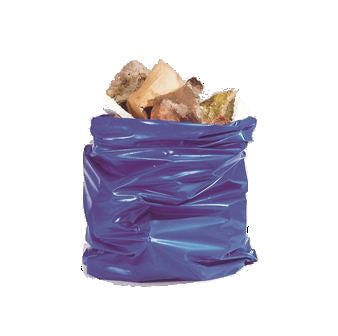
Strong, puncture resistant heavy duty sacks, ideal for heavy, irregular material such as rubble, gravel or metallic waste. Also known as aggregate sacks.
The compactor sack is a heavy duty refuse sack.
Bags / Sacks / Compactor Sacks
Bags / Sacks / Compactor Sacks
Compactor sacks (sometimes referred to as heavy duty refuse sacks or aggregate sacks) are designed for waste streams that quickly overwhelm standard bin liners. Where everyday liners can split under weight or snag on sharp edges, compactor sacks use thicker film and stronger seals to help resist punctures and tearing when handling heavy, irregular loads such as rubble, gravel, offcuts, and mixed commercial waste.
In this collection you’ll find heavy duty LDPE compactor sacks in multiple sizes and weights, including options made from 100% recycled material. These sacks are commonly used in facilities management, warehousing, hospitality back-of-house, construction clean-up, and any setting where waste is dense, abrasive, or awkwardly shaped.
Compactor Sacks — Helpful Guide
Choosing the right sack is mainly about matching size, film thickness/weight, and waste type to the way the bag will be filled, lifted, and disposed of. Below is a practical guide to the types of sacks in this category and the products available.
1) Heavy duty LDPE compactor sacks (clear)
Clear compactor sacks are useful when contents need to be visible for sorting, compliance checks, or contamination control. LDPE film is valued for its flexibility and toughness, helping the sack stretch slightly under load rather than splitting abruptly.
-
1270x1828x2210 - 260g Clear LDPE Compactor Sacks (White Poly Wrapped)
Large-format, heavy duty clear LDPE sack specified by weight (260g). A good fit for bulky, dense waste where extra material mass helps improve tear resistance during handling. -
560x890x1190mm - 67mu Compactor Sacks
Clear compactor sack specified by thickness (67 micron). Suitable for many commercial waste streams where a balance of strength and flexibility is needed. -
22x33.5x47 - 288g Clear Compactor Sacks 100% Recycled
Heavy duty clear sack made from 100% recycled material and specified by weight (288g). Useful where visibility is required while still targeting robust performance for heavy loads.
2) Heavy duty compactor sacks (black, recycled)
Black compactor sacks are commonly chosen for general waste where opacity is preferred. They can help conceal contents and present a uniform appearance in back-of-house and waste holding areas.
-
22x33.5x47 - 288g BLACK Compactor Sacks 100% Recycled
Heavy duty black sack made from 100% recycled material and specified by weight (288g). A practical option for dense, mixed waste where a strong, opaque sack is preferred.
Case Study: Reducing Split Bags in a High-Load Waste Area
A common issue in busy waste areas is “bag failure” during the last steps of handling: when a sack is dragged from a bin, lifted into a wheeled container, or moved across rough ground. In many sites, the waste itself is not unusually sharp, but the combination of high weight, bin rim friction, and awkward lifting angles causes seams to strain and film to tear.
In a typical improvement approach, the team first identifies where failures occur (rim snagging, bottom splits, or punctures from hidden edges). They then match the sack specification to the real load: moving from a lighter liner to a compactor sack with higher thickness/weight, ensuring the sack size fits the bin so it is not overstretched, and introducing simple handling changes such as avoiding overfilling and using two-handed lifts. The result is usually fewer clean-up incidents, less time spent re-bagging, and safer handling for staff.
How to Choose the Correct Compactor Sack
Step 1: Confirm the sack size you actually need
Start with the bin or container dimensions and how the sack is used. A sack that is too small may be stretched over the rim, increasing the chance of tearing. A sack that is too large can bunch up, snag, or waste material. If you are replacing an existing sack, compare the printed size on the carton or measure the current bag’s layflat width and length.
Step 2: Match thickness/weight to the waste stream
Compactor sacks are often specified by micron thickness (e.g., 67mu) or by bag weight (e.g., 260g or 288g). In general, higher thickness/weight indicates more material and typically improved resistance to tearing and puncturing. However, performance also depends on film formulation and how the sack is handled.
- Dense, heavy waste (wet waste, compacted general waste, heavy mixed refuse): prioritize higher thickness/weight and avoid overfilling.
- Abrasive or irregular waste (rubble, gravel, sharp-edged packaging, metal offcuts): prioritize puncture resistance and consider whether a clear or black sack is more appropriate for your process.
- Sorting/inspection requirements: choose clear sacks where visibility helps reduce contamination or supports compliance checks.
Step 3: Consider handling and disposal method
How the sack is moved matters as much as the sack itself. Dragging across concrete, catching on bin rims, or lifting by a “neck” twist can concentrate stress in one area. If sacks are frequently failing, review the handling steps:
- Do not exceed practical fill weight; heavy sacks become difficult to lift safely.
- Avoid placing sharp items directly against the film; wrap or box sharp waste where possible.
- Use controlled lifts and support the base when moving very heavy loads.
- Keep bin rims and waste chutes free of burrs or sharp edges that can slice film.
Step 4: Decide between clear vs black
Both can be heavy duty; the choice is usually operational:
- Clear: helps with waste segregation, identifying prohibited items, and reducing cross-contamination.
- Black: helps conceal contents and can be preferred for general waste presentation and privacy.
Common Applications
- Construction and maintenance clean-up: rubble, broken packaging, dust-heavy waste, and mixed site debris.
- Warehousing and distribution: dense cardboard offcuts, strapping, and general operational waste.
- Hospitality and facilities management: back-of-house waste where bags are frequently moved and bins are heavily loaded.
- Workshops and light industrial: mixed refuse including abrasive or awkwardly shaped items.
Storage and Use Tips
- Store correctly: keep sacks away from direct sunlight and heat sources to help maintain film properties.
- Open and fit carefully: avoid tearing the lip when pulling a sack from a roll or pack.
- Prevent snag points: check bin rims, hinges, and internal edges for sharp points that can cut film.
- Plan for safe lifting: heavy duty sacks can carry heavy loads, but safe manual handling limits still apply.
Understanding Specifications (Plain-English)
LDPE refers to low-density polyethylene, a flexible plastic commonly used for heavy duty sacks because it can stretch and absorb stress. Micron (mu) is a thickness measure; higher micron generally means thicker film. Some sacks are specified by bag weight (grams), which can also indicate how much material is in each sack. When comparing options, use thickness/weight alongside size and intended waste type.
What is the difference between a standard bin liner and a compactor sack?
Compactor sacks are made for heavier, more demanding waste. They typically use thicker film and stronger seals to reduce tearing and punctures during lifting and transport. Standard bin liners suit light waste, while compactor sacks suit dense, abrasive, or irregular loads.
How do I choose between micron thickness and gram weight specifications?
Micron (mu) describes film thickness, while grams describe the material mass per sack. Both can indicate durability, but they are not identical across sizes. Compare sacks of similar dimensions, then select higher thickness/weight for heavier or more abrasive waste streams.
Are clear compactor sacks as strong as black compactor sacks?
Strength depends on the sack’s thickness/weight and film formulation, not only color. Clear sacks are often chosen for visibility and sorting, while black sacks are chosen for opacity. For demanding waste, focus on the stated specification and real handling conditions.
What waste types are compactor sacks best suited for?
They are commonly used for dense general waste, heavy mixed refuse, and irregular loads such as rubble, gravel, and abrasive packaging offcuts. They help reduce splits when bags are moved from bins or across rough surfaces, especially in commercial and industrial settings.
Why do heavy duty sacks still split sometimes, and how can I reduce it?
Splits often come from overfilling, snagging on bin rims, dragging across rough ground, or sharp items pressing against the film. Use the correct size, avoid exceeding practical fill weight, remove snag points, and support the base when lifting very heavy loads.