
Safety / PPE & Clothing / Hi-Vis
-
Ex.Large - Hi-Vis WaistcoatRegular price From £7.43 GBPRegular priceUnit price per
-
Medium - Hi-Vis WaistcoatRegular price From £7.43 GBPRegular priceUnit price per
-
Large - Hi-Vis WaistcoatRegular price From £23.91 GBPRegular priceUnit price per
-
Ex.Large - Hi-Vis OvertrousersRegular price From £7.43 GBPRegular priceUnit price per
-
Medium - Hi-Vis OvertrousersRegular price From £7.43 GBPRegular priceUnit price per
-
Large - Hi-Vis OvertrousersRegular price From £7.43 GBPRegular priceUnit price per
-
Ex.Large - Hi-Vis JacketRegular price From £7.43 GBPRegular priceUnit price per
-
Medium - Hi-Vis JacketRegular price From £51.46 GBPRegular priceUnit price per
-
Large - Hi-Vis JacketRegular price From £7.43 GBPRegular priceUnit price per


Safety / PPE & Clothing / Hi-Vis
Hi-Vis Workwear for Safer, More Visible Sites
High-visibility (hi-vis) clothing is designed to make the wearer easier to see in busy, low-light, or vehicle-active environments. Typical hi-vis garments combine a fluorescent background (to stand out in daylight) with retroreflective tape (to return light back toward headlights and work lights). In practical terms, hi-vis workwear helps reduce the risk of missed visibility cues during routine tasks such as loading, yard movements, deliveries, and site walk-throughs.
This collection focuses on core hi-vis essentials commonly used across warehouses, logistics, construction support areas, facilities management, and general site operations: waistcoats (vests), jackets, and overtrousers in multiple sizes. These items are often selected as part of a broader PPE approach that may also include head protection, gloves, eye protection, and safety footwear depending on the task risk assessment.
Safety / PPE & Clothing / Hi-Vis — Helpful Guide
Below is a practical guide to the hi-vis clothing types in this category, what they are typically used for, and how the products on this page fit into day-to-day site needs. Always confirm suitability for your workplace by checking the garment label and your site rules (for example, required performance class, colour, and any additional properties such as waterproofing).
1) Hi-Vis Waistcoats (Vests)
Hi-vis waistcoats are a common “quick-on” visibility layer. They are typically worn over regular workwear to improve conspicuity during short tasks, visitor access, or when moving between indoor and outdoor areas. Waistcoats are also useful where freedom of movement is important and where sleeves are not required.
- Medium - Hi-Vis Waistcoat — A mid-size hi-vis waistcoat intended as a simple outer layer for improved visibility during general site activity.
- Large - Hi-Vis Waistcoat — A larger fit option for layering over thicker clothing while maintaining a clear hi-vis outline.
- Ex.Large - Hi-Vis Waistcoat — An extra-large size option designed to accommodate bulkier layers and provide comfortable coverage.
Where waistcoats fit best: yard marshalling, warehouse picking routes, delivery checks, visitor/contractor visibility, and general “on/off” tasks where a jacket may be too warm.
2) Hi-Vis Jackets
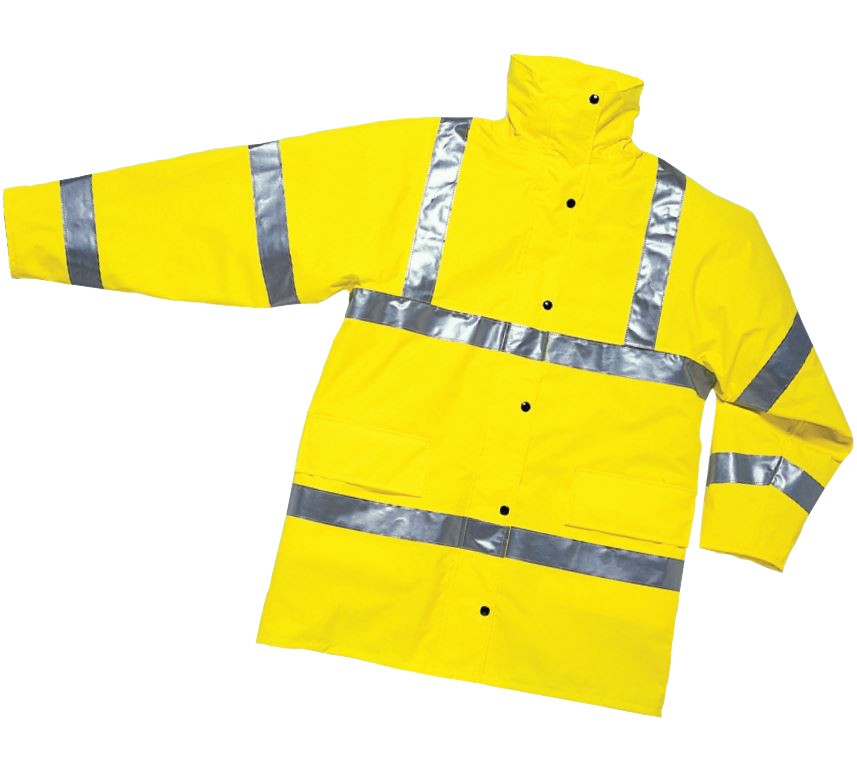
Hi-vis jackets provide visibility plus additional coverage for arms and torso. They are often chosen for outdoor work, colder conditions, or when a more complete hi-vis silhouette is needed. Jackets can also help keep reflective elements positioned correctly during movement compared with looser layers.
- Medium - Hi-Vis Jacket — A medium-size hi-vis jacket option for everyday site wear where full upper-body coverage is preferred.
- Large - Hi-Vis Jacket — A large-size jacket suited to layering and extended wear in variable conditions.
- Ex.Large - Hi-Vis Jacket — An extra-large jacket option for comfortable movement and layering over insulating garments.
Where jackets fit best: outdoor loading bays, winter shifts, early mornings/evenings, and any task where sleeves and more consistent coverage improve visibility.
3) Hi-Vis Overtrousers
Hi-vis overtrousers are designed to be worn over existing trousers to add visibility to the lower body. Lower-body visibility matters because vehicle operators often see legs moving first, especially around forklifts, pallet trucks, and reversing vehicles. Overtrousers are also practical when you need a removable layer for changing conditions.
- Medium - Hi-Vis Overtrousers — A medium-size overtrouser option for adding lower-body visibility over standard work trousers.
- Large - Hi-Vis Overtrousers — A large fit intended for comfortable wear over thicker trousers while maintaining reflective visibility.
- Ex.Large - Hi-Vis Overtrousers — An extra-large option for layering and ease of movement during active tasks.
Where overtrousers fit best: yard work, vehicle-active zones, wet/dirty tasks where you want a removable outer layer, and roles that move between indoor and outdoor areas.
Case Study: Improving Visibility in a Mixed Indoor/Outdoor Warehouse
A distribution site with both indoor picking aisles and an outdoor yard noticed that near-miss reports increased during shift changes and in winter months. The issue wasn’t a single hazard; it was a combination of reduced daylight, busy pedestrian routes, and frequent vehicle movements at dock doors.
The site updated its PPE approach by standardising hi-vis layers for different roles. Pedestrian staff used waistcoats for indoor work and added jackets for outdoor checks. Yard staff added overtrousers to improve lower-body visibility around moving vehicles. Supervisors also ensured garments were worn correctly (fastened, not covered by non-hi-vis layers) and replaced items when reflective tape became worn or contaminated.
After implementation, the site reported clearer pedestrian recognition at distance, fewer “late sightings” by vehicle operators, and improved consistency during peak traffic periods. The key lesson was that visibility is a system: garment choice, correct wear, and maintenance all matter.
How to Choose the Correct Hi-Vis Clothing
Choosing hi-vis workwear is easiest when you start with the work environment and then confirm garment performance and fit. Use the steps below as a practical checklist.
Step 1: Identify the visibility risk
- Vehicle interaction: forklifts, HGVs, vans, plant, or reversing movements increase the need for strong visibility cues.
- Lighting conditions: early/late shifts, winter daylight, indoor/outdoor transitions, and glare can reduce detection.
- Background complexity: busy visual environments (racking, signage, mixed colours) can make non-hi-vis clothing blend in.
Step 2: Confirm the required performance class (where applicable)
Many workplaces specify hi-vis clothing that meets EN ISO 20471 (high-visibility warning clothing). This standard classifies garments by the minimum visible area of fluorescent and retroreflective materials, with Class 1 (lowest) through Class 3 (highest). The class depends on the certified garment design and size, so always check the label for the exact rating.
In some settings, a combined outfit can achieve a higher overall class when worn together (for example, an upper garment plus hi-vis trousers), but this depends on certification and site rules. If your workplace mandates a specific class, select garments that meet that requirement in the size you will wear.
Step 3: Choose the right garment type for the task
- Waistcoat: best for quick visibility, warmer indoor work, and short-duration tasks.
- Jacket: best for outdoor work, colder conditions, and consistent upper-body coverage.
- Overtrousers: best for improving lower-body visibility and adding a removable layer over existing trousers.
Step 4: Get sizing and layering right
Hi-vis clothing must fit well enough to stay in place during movement. If a garment is too tight, it may restrict motion or ride up; if too loose, reflective bands can twist out of view. Consider what you will wear underneath (base layers, hoodies, insulated jackets) and choose a size that allows comfortable movement while keeping reflective elements visible.
Step 5: Check compatibility with other PPE
Hi-vis garments should work with the rest of your PPE. For example, harnesses, tool belts, or backpacks can cover reflective tape; high collars can interfere with hearing protection; and bulky layers can affect glove dexterity. If you routinely wear additional equipment, test the full setup to ensure visibility is not compromised.
Wear, Care, and Replacement: Keeping Hi-Vis Effective
Hi-vis performance can degrade over time due to abrasion, repeated washing, contamination (dust, oils, cement), and UV exposure. To keep garments effective:
- Keep it clean: dirt can reduce fluorescence and reflective performance. Follow the care label and avoid harsh chemicals that may damage materials.
- Inspect regularly: look for peeling reflective tape, tears, heavy staining, or loss of brightness.
- Replace when needed: if reflective bands are damaged or the garment no longer stands out, it may no longer provide the intended visibility.
- Wear it correctly: fasten closures and avoid covering hi-vis panels with non-hi-vis outer layers.
Common Use Environments for Hi-Vis Clothing
Hi-vis clothing is used anywhere people and vehicles share space or where visibility is reduced. Typical environments include:
- Warehousing & logistics: pedestrian routes, loading bays, and forklift aisles.
- Construction support areas: deliveries, compound access, and plant movement zones.
- Facilities management: car parks, service yards, and external maintenance tasks.
- Events & stewarding: crowd management and vehicle access control (subject to site rules).
Q&A
What is the difference between fluorescent fabric and reflective tape on hi-vis clothing?
Fluorescent fabric improves visibility in daylight by appearing brighter and more noticeable against typical backgrounds. Reflective tape improves visibility in low light by reflecting light back toward its source, such as vehicle headlights or work lamps, making the wearer stand out at night.
How do I know which hi-vis class I need for my workplace?
Start with your site’s PPE policy and risk assessment, which may specify a required class under EN ISO 20471. The class is shown on the garment label. If rules are unclear, consider vehicle exposure, lighting, and task duration, then confirm with safety management.
Are hi-vis waistcoats suitable for outdoor work in winter?
They can be, but waistcoats provide limited coverage and may be less practical in cold or wet conditions. For winter outdoor tasks, a hi-vis jacket often provides better coverage and helps keep reflective elements visible on the arms and torso during movement and layering.
Why are hi-vis overtrousers useful if I already wear a hi-vis top?
Lower-body visibility helps vehicle operators detect movement and judge position, especially around forklifts and reversing vehicles. Overtrousers add reflective and fluorescent areas to the legs, improving visibility from multiple angles and providing a removable layer over existing trousers when conditions change.
When should hi-vis clothing be replaced?
Replace hi-vis clothing when reflective tape is peeling, cracked, or missing; when fabric is heavily stained or faded; or when tears reduce the visible area. If the garment no longer stands out clearly in typical site lighting, it may not provide intended protection.