
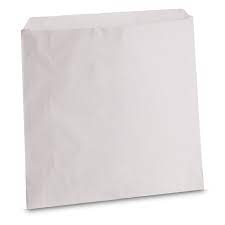
Bags / Paper Bags / Glassine Bags
-
150x250x350mm - 40gsm Plain Satchel Glassine BagsRegular price From £187.50 GBPRegular priceUnit price per
-
150x250x300mm - 40gsm Plain Satchel Glassine BagsRegular price From £187.50 GBPRegular priceUnit price per


Bags / Paper Bags / Glassine Bags
Glassine bags are a simple, paper-based way to protect and organize small items while keeping contents visible. Made from dense, smooth, semi-translucent glassine paper, these bags are commonly chosen when you want a clean presentation plus a barrier that helps resist grease and reduces scuffing compared with many standard papers.
Glassine Bags: Uses, Sizes, and Handling
This collection focuses on satchel-style glassine bags in a 40gsm paper weight. Glassine is known for its crisp feel and clarity, which makes it useful for packaging and storage where quick identification matters. Because glassine is naturally grease-resistant due to its dense fiber structure, it’s often used for items that may transfer light oils or where you want to reduce fingerprints and surface rub.
Glassine Bags — Helpful Guide
Below is a practical guide to the glassine bag styles and sizes in this category, along with typical use-cases and selection tips. Product links are included so you can quickly confirm dimensions and specifications.
1) Plain Satchel Glassine Bags (40gsm)
-
150x250x300mm - 40gsm Plain Satchel Glassine Bags
Satchel-style glassine bags designed for tidy packing and easy identification of contents. The 40gsm paper weight provides a balance of stiffness and flexibility for routine handling, making it suitable for organizing flat items, small components, and retail-ready presentation where a semi-transparent paper look is preferred.
-
150x250x350mm - 40gsm Plain Satchel Glassine Bags
A taller satchel option for items that need extra height or headspace. This size can be helpful when you want to avoid bending longer contents, or when you prefer additional room for folding over the top during packing and labeling.
Where Glassine Bags Work Best
Glassine bags are widely used across light-duty packaging and storage tasks because they combine a neat appearance with a smooth, low-lint surface. Common applications include:
- Retail presentation: Small goods where customers benefit from seeing the item without opening the package.
- Parts and components: Screws, fittings, jewelry findings, craft components, and other small items that need sorting and quick identification.
- Paper goods and collectibles: Cards, prints, labels, and similar items where you want a paper-based sleeve that reduces scuffing.
- Light grease/oil transfer control: Items that may leave slight residue; glassine’s dense structure helps resist grease compared with many ordinary papers.
Glassine is often selected when plastic isn’t desired for presentation or handling reasons, or when you want a paper feel with better clarity than typical opaque paper bags.
Case Study: Streamlining Small-Part Picking and Packing
Consider a workflow where a team picks multiple small components per order (for example, fasteners, fittings, or small accessories). Without a consistent bagging method, parts can mix, labels can be hard to match to contents, and packing benches become cluttered.
By assigning one glassine bag per line item, the picker can quickly verify contents visually, add a small label, and keep parts separated through packing and dispatch. The semi-translucent paper makes it easier to confirm the correct item at a glance, while the smooth surface helps reduce snagging and scuffing during handling. The result is fewer packing errors and faster order checks, especially when multiple similar-looking parts are involved.
How to Choose the Correct Glassine Bag
Choosing the right glassine bag is mostly about matching dimensions and handling needs to your product. Use the steps below to avoid common sizing mistakes.
Step 1: Measure your item the way it will be packed
- Flat items: Measure width and height, then add clearance so the item slides in easily without catching corners.
- Stacked items: Measure the stack thickness and consider whether you need extra room to prevent bowing or edge wear.
- Long items: Choose the taller option to avoid bending and to allow comfortable insertion/removal.
Step 2: Allow practical clearance
Even when a bag’s nominal dimensions appear to match your product, real-world packing is easier with a little extra space. Clearance helps with:
- Faster insertion during packing
- Reduced corner damage on paper goods
- Room for labels or folded tops (if your process uses them)
Step 3: Consider the surface and residue risk
Glassine’s dense, smooth structure makes it a good choice when you want a paper-based barrier that helps resist grease transfer and reduces surface scuffing. If your item is very oily, wet, or requires a true moisture barrier, you may need a different packaging material; glassine is best for light-duty protection and presentation rather than heavy liquid or high-moisture containment.
Step 4: Think about identification and process control
If your packing process relies on quick visual checks, glassine’s translucency can be a major advantage. For operations that require full concealment, an opaque paper bag may be more appropriate.
Handling, Storage, and Labeling Tips
- Keep bags dry and clean: Store in a cool, dry area to maintain paper stiffness and clarity.
- Avoid overfilling: Overstuffing can stress seams and make insertion/removal difficult.
- Use consistent labeling: Apply labels to a flat area so barcodes and text remain readable; glassine’s smooth surface can support many label types, but always test adhesion for your specific label stock.
- Minimize abrasion: For delicate finishes, ensure the item is free of grit before bagging to reduce rubbing marks.
Glassine vs. Other Common Packaging Papers
When selecting a paper bag material, it helps to understand how glassine differs from other options:
- Glassine vs. standard paper: Glassine is smoother and more translucent, with better grease resistance due to its dense fiber structure.
- Glassine vs. waxed paper: Waxed papers rely on a coating; glassine typically achieves its properties through density and finishing, which can be preferable when you want a clean paper feel and less risk of coating transfer.
- Glassine vs. plastic bags: Plastic can offer stronger moisture barriers and higher tear resistance, while glassine offers a paper-based look and a crisp, semi-transparent presentation.
Frequently Asked Questions
What is a glassine bag, and what makes it different from regular paper bags?
A glassine bag is made from glassine paper, a smooth, dense, semi-translucent paper produced from highly refined wood pulp. Its tightly packed fibers create a crisp feel and improved grease resistance compared with many standard papers, while still allowing contents to be seen.
Are glassine bags suitable for oily or greasy items?
Glassine is naturally grease-resistant, so it can help reduce light oil transfer and fingerprints for many dry goods. However, it is not a liquid-proof barrier. For very oily, wet, or high-moisture products, consider packaging designed specifically for stronger moisture and leak resistance.
How do I choose between the two satchel sizes in this category?
Start with the item’s width and height as packed, then add clearance for easy insertion and removal. Choose the taller option when you need extra headspace, want to avoid bending longer items, or prefer room for folding the top during labeling and handling.
Can glassine bags be used for organizing small parts and components?
Yes. Glassine bags are commonly used to sort and separate small parts because the contents remain visible, which supports quick checks during picking and packing. They also provide a smooth paper barrier that can reduce scuffing and keep items grouped without bulky packaging.
Do glassine bags work for archival or long-term storage?
Glassine is often used for storage because it is smooth and low-lint, but archival suitability depends on the specific paper grade. For long-term preservation, confirm whether the bags are labeled acid-free and lignin-free, and test compatibility with the material being stored.