
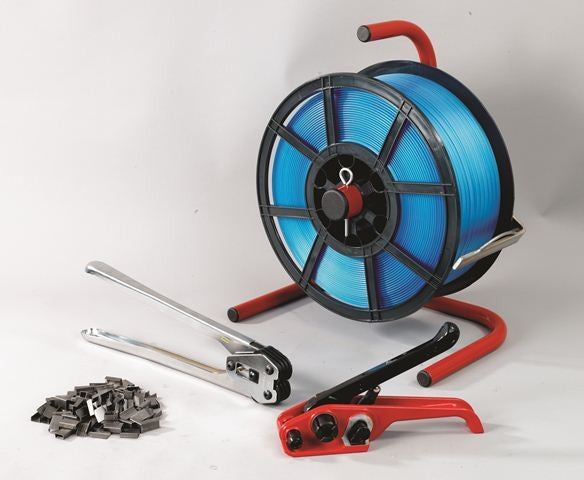
Equipment / Strapping Tools & Accessories
-
TE-025 Spring for TP203 model strapping unitRegular price From £10.21 GBPRegular priceUnit price per
-
Extruded Polyester Strapping DispencerRegular price From £169.66 GBPRegular priceUnit price per
-
25-50mm Extra Wide P/P & Polyester TensionerRegular price From £154.19 GBPRegular priceUnit price per
-
12-19mm Heavy Duty P/P & Polyester TensionerRegular price From £154.19 GBPRegular priceUnit price per
-
12-19mm P/P & Polyester TensionerRegular price From £154.98 GBPRegular priceUnit price per
-
Mobile Hand Strapping Dispenser - Cardboard Core StrappingRegular price From £127.16 GBPRegular priceUnit price per
-
16mm Polyester Crimper - STRAPPING TOOLS/TROLLIESRegular price From £91.84 GBPRegular priceUnit price per
-
Oscillation Wound Steel Strapping DispenserRegular price From £191.86 GBPRegular priceUnit price per
-
12-19mm Woven Polyester TensionerRegular price From £113.98 GBPRegular priceUnit price per
-
Steel TensionerRegular price From £72.62 GBPRegular priceUnit price per
-
Dispenser - Steel Wide - Steel Strapping Dispenser - WideRegular price From £109.49 GBPRegular priceUnit price per
-
Ribbon Wound Steel Strapping DispenserRegular price From £115.95 GBPRegular priceUnit price per
-
Static Hand Strapping Dispenser Starter KitRegular price From £134.69 GBPRegular priceUnit price per
-
Static Hand Strapping DispenserRegular price From £41.89 GBPRegular priceUnit price per
-
13mm Steel SealerRegular price From £83.95 GBPRegular priceUnit price per
-
Standard Steel CutterRegular price From £46.55 GBPRegular priceUnit price per
-
Heavy Duty Steel Safety CutterRegular price From £171.68 GBPRegular priceUnit price per
-
16mm P/P & PET Offset SealerRegular price From £117.53 GBPRegular priceUnit price per
-
12mm P/P & PET Offset SealerRegular price From £117.53 GBPRegular priceUnit price per
-
12mm - Heavy Duty P/P CombinationRegular price From £88.00 GBPRegular priceUnit price per
-
Mobile Hand Strapping Dispenser Starter KitRegular price From £166.74 GBPRegular priceUnit price per
-
Mobile Hand Strapping DispenserRegular price From £70.83 GBPRegular priceUnit price per
-
19mm Heavy Duty Steel Double Notch SealerRegular price From £242.74 GBPRegular priceUnit price per
-
Battery For CB130Regular price From £144.58 GBPRegular priceUnit price per
-
Woven Polyester Strapping DispencerRegular price From £88.00 GBPRegular priceUnit price per


Equipment / Strapping Tools & Accessories
Equipment / Strapping Tools & Accessories
Strapping is one of the most reliable ways to unitize cartons, bundles, and pallet loads for storage and transport. The right combination of dispenser, tensioner, and sealing method helps you apply consistent strap tension, reduce waste, and improve load stability. This category brings together practical hand tools and dispensers used with common strapping materials such as polypropylene (P/P), polyester (PET), woven polyester, and steel.
Whether you are securing light cartons, stabilizing mixed pallets, or bundling heavy products, the goal is the same: feed strap smoothly, tension it to the correct level for the load, and lock the strap so it maintains tension through handling and vibration. The products in this collection focus on those core steps—dispensing, tensioning, and sealing—plus essential replacement parts for maintaining tool performance.
Strapping Tools & Accessories — Helpful Guide
Below is a practical guide to the main tool types in this collection, what they do in a strapping workflow, and when to use them. Product links are included so you can quickly match the tool to the strap type and width you are working with.
1) Dispensers & trolleys (feed control, portability, and strap protection)
A dispenser (often called a trolley) keeps strap coils controlled, reduces tangles, and makes it easier to move strapping to the point of use. Many dispensers also include a tray for seals and tools, helping keep a strapping station organized. Choosing the correct dispenser depends on the strap coil style (core size, ribbon wound vs oscillation wound) and the strap material (PET vs steel).
- Extruded Polyester Strapping Dispencer — A mobile dispenser designed to hold and pay out PET strapping smoothly, helping reduce coil “spring” and improving feed consistency during hand strapping.
- Mobile Hand Strapping Dispenser - Cardboard Core Strapping — A portable dispenser suited to cardboard-core coils, supporting controlled payout and easier handling when moving between packing points.
- Oscillation Wound Steel Strapping Dispenser — Built for oscillation-wound steel coils; helps prevent uncontrolled unraveling and supports safer, more predictable payout.
- Dispenser - Steel Wide - Steel Strapping Dispenser - Wide — A wide-format steel dispenser intended for larger steel strap coils, improving stability and coil control during dispensing.
- Steel Tensioner — Often used alongside steel dispensing setups; supports tensioning workflows where steel strap is selected for high-strength bundling.
Tip: If strap is twisting, kinking, or “bird nesting,” the issue is frequently payout control. A correctly matched dispenser and a clear payout path (no sharp edges, no snag points) can solve many day-to-day strapping problems before you change strap or tools.
2) Tensioners (apply the right strap tension for the load)
Tensioners pull strap tight around a package or pallet. The correct tension level depends on load rigidity, edge protection, and strap type. Over-tensioning can crush cartons or damage corners; under-tensioning can allow shifting during transport. Strap width and material also matter—wider straps distribute force over a larger area, while different materials respond differently to sustained tension and movement.
- 12-19mm P/P & Polyester Tensioner — A general-purpose hand tensioner for common 12–19 mm polypropylene and PET strapping applications.
- 12-19mm Heavy Duty P/P & Polyester Tensioner — A heavier-duty option for higher-tension requirements or more frequent use, still within the 12–19 mm range.
- 25-50mm Extra Wide P/P & Polyester Tensioner — Designed for extra-wide strapping where increased surface contact is needed, often used for larger bundles or loads requiring broader force distribution.
- 12-19mm Woven Polyester Tensioner — Intended for woven polyester strapping, which is commonly used for irregular loads and applications where flexibility and handling characteristics are important.
- Steel Tensioner — Used for tensioning steel strap in applications where steel is selected for strength and minimal elongation.
Practical tensioning guidance: Aim for “secure without distortion.” For cartons, tension until the strap is snug and the package does not shift when pushed by hand. For rigid loads (e.g., timber, metal products), higher tension may be appropriate, but protect edges and corners to prevent strap damage and load marking.
3) Sealers, crimpers, and locking methods (keep tension where you set it)
After tensioning, the strap must be secured. Many hand strapping systems use a metal seal that is crimped to lock the strap. The sealer/crimper must match the strap width and the seal type. A poor match can lead to seal slippage, uneven crimps, or premature failure during handling.
- 16mm Polyester Crimper - STRAPPING TOOLS/TROLLIES — A crimping tool for 16 mm polyester strapping setups that use seals; helps create a consistent crimp to maintain strap tension.
Quality check: A good crimp is uniform and fully formed. If you see partial crimps, skewed seals, or strap pull-through, verify that the seal size matches the strap width and that the tool jaws are clean and not worn.
4) Replacement parts & maintenance items (keep tools reliable)
Hand tools are mechanical devices that wear over time—springs, grippers, and moving joints can fatigue, especially in high-cycle environments. Replacing worn parts helps maintain consistent tensioning and sealing performance and can reduce downtime.
- TE-025 Spring for TP203 model strapping unit — A replacement spring component used to restore proper function in compatible strapping units.
Maintenance basics: Keep tools clean and dry, remove strap debris from gripper areas, and periodically inspect wear surfaces. If tensioners begin slipping or require extra effort, check for worn grippers or contamination before increasing force.
Case Study: Reducing strap waste and improving load stability
A packing team handling mixed cartons on pallets experienced frequent strap tangles and inconsistent tension. Operators were pulling strap from coils placed on the floor, which led to twists and uneven payout. The result was wasted strap, rework, and occasional load shifting during internal transport.
By moving to a dedicated dispensing setup and standardizing the tensioning step, the team improved consistency. A mobile dispenser kept coils controlled and portable, while a matched tensioner for the strap width reduced over-tensioning on cartons. The workflow became: position edge protection, feed strap from the dispenser, tension to “snug without distortion,” then secure with the correct locking method. The outcome was fewer tangles, less rework, and more repeatable pallet stability.
How to choose the correct strapping tool setup
Use the checklist below to select tools that match your strap, load, and working environment.
Step 1: Confirm strap material and width
- Polypropylene (P/P): Common for light-to-medium carton bundling. Choose a tensioner rated for P/P and your strap width (e.g., 12–19 mm).
- Polyester (PET): Often used for pallet unitizing and heavier loads. Select a PET-capable tensioner and a dispenser designed for PET coils.
- Woven polyester: Useful for irregular shapes and loads where flexibility helps. Use a woven polyester tensioner designed for the strap’s texture and construction.
- Steel: Selected for demanding applications and minimal elongation. Use steel dispensers and steel tensioners designed for the coil style and strap width.
Step 2: Match the dispenser to the coil style
- Cardboard core coils: A mobile dispenser designed for cardboard-core strapping helps keep payout controlled and reduces coil damage.
- Steel coils (ribbon/oscillation wound): Use a steel dispenser matched to the winding style to reduce spring-back and improve safety.
Step 3: Decide on sealing method and compatibility
- Seal-and-crimp systems: Ensure the crimper/sealer matches the strap width (e.g., 16 mm) and the seal type. Inconsistent crimps are often a compatibility or wear issue.
- Workflow fit: If operators strap many loads per shift, prioritize ergonomic handling and repeatability—tool condition and correct matching matter as much as strap selection.
Step 4: Consider the load and handling conditions
- Cartons and compressible products: Avoid over-tensioning; use edge protection where needed to prevent corner crush.
- Rigid, heavy, or abrasive loads: Higher tension may be appropriate; protect strap from sharp edges and consider wider strap to distribute force.
- Vibration and long transit: Consistent tension and a reliable lock are critical. Inspect seals/crimps and verify strap is not slipping after handling tests.
Common application tips (to improve safety and consistency)
- Keep hands clear of recoil paths: Strap under tension can snap back if released suddenly. Maintain a stable stance and keep bystanders clear during tensioning and sealing.
- Use edge protectors on corners: This reduces strap damage and helps maintain tension by preventing strap “cut-in” on sharp edges.
- Square the load before strapping: Strapping cannot compensate for unstable stacking. Align cartons and ensure the pallet base is sound.
- Standardize strap placement: Consistent strap locations (e.g., two straps per pallet at defined positions) improves repeatability and reduces decision-making at the packing station.
- Inspect tools regularly: Slipping tensioners and inconsistent crimps are often early signs of wear or contamination.
Troubleshooting quick reference
- Strap twists or tangles during payout: Verify the coil is correctly loaded on the dispenser and that the payout direction matches the dispenser design. Remove snag points and ensure the strap path is straight.
- Tensioner slips and won’t hold tension: Check gripper surfaces for wear or debris. Confirm the tool is rated for the strap material and width.
- Seal slips or crimp looks uneven: Confirm seal size matches strap width and that the crimper jaws are aligned and not worn.
- Cartons crush at corners: Reduce tension, add edge protection, or consider wider strap to distribute force.
Questions & Answers
What is the difference between a strapping dispenser and a tensioner?
A dispenser controls how strap pays out from the coil and makes it easier to move strapping around a work area. A tensioner is the hand tool that pulls the strap tight around a carton, bundle, or pallet before it is sealed.
How do I choose the correct tensioner size for my strap?
Start with strap width and material. A tensioner must be rated for the strap type (polypropylene, polyester, woven polyester, or steel) and the width range (for example 12–19 mm or 25–50 mm). Using the wrong size can cause slipping or damage.
Why does my strap keep twisting or tangling when I pull it from the coil?
Tangling is usually caused by uncontrolled payout, incorrect coil orientation, or snag points along the strap path. Loading the coil correctly on a matched dispenser, keeping the payout path straight, and preventing the coil from “free spinning” typically resolves twisting and bird nesting.
What causes a crimped seal to slip after tensioning?
Seal slippage commonly comes from mismatched seal size, incorrect tool selection for the strap width, worn crimper jaws, or incomplete crimp formation. Check that the sealer/crimper matches the strap and seal, and inspect for wear or contamination that prevents full compression.
How tight should I tension strap on cartons versus rigid loads?
For cartons and compressible products, tension until the strap is snug and the package does not shift, but avoid corner crush; edge protection helps. For rigid loads, higher tension may be acceptable, but protect sharp edges and verify the strap is not cutting in.