
Safety / PPE & Clothing / Latex Coated Gloves
-
Ex.Large - Latex Coated Knitwrist GlovesRegular price From £46.83 GBPRegular priceUnit price per
-
Medium - Latex Coated Knitwrist GlovesRegular price From £46.83 GBPRegular priceUnit price per


Safety / PPE & Clothing / Latex Coated Gloves
Latex coated knitwrist gloves are a practical choice for everyday hand protection when you need a dependable grip, comfortable wear, and a secure cuff that helps keep out dust and debris. In many general-purpose work environments, the latex-coated palm provides added traction for handling boxes, tools, and materials, while the knit liner supports breathability and flexibility for all-day use.
Latex Coated Gloves: What They Are and When They’re Used
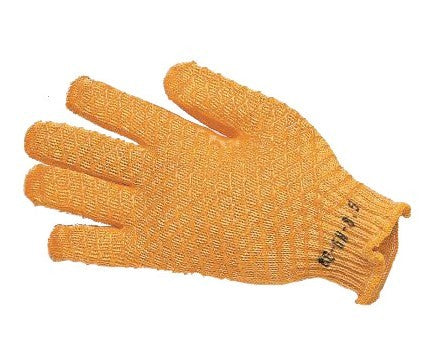
Latex coated gloves combine a knitted fabric liner with a latex coating applied to the palm and fingers (and sometimes partially over the back of the hand). The liner provides comfort and shape, while the latex coating improves grip and helps resist abrasion during routine handling tasks. Knitwrist cuffs are designed to fit snugly at the wrist, which can reduce the amount of dirt, splinters, and loose debris that enters the glove during work.
These gloves are commonly selected for general material handling, warehousing, shipping and receiving, light construction tasks, assembly work, landscaping, and maintenance—especially where a secure grip is important. They are not intended for chemical immersion or high-heat applications, but they can be a strong fit for dry-to-lightly-damp handling where traction and dexterity matter.
Safety / PPE & Clothing / Latex Coated Gloves — Helpful Guide
This category focuses on latex coated knitwrist gloves in two common sizes. Below is a quick guide to the types and the specific products available in this collection, with direct links to the product pages for easy reference.
1) Latex Coated Knitwrist Gloves (General-Purpose Grip Gloves)
-
Medium - Latex Coated Knitwrist Gloves
Medium-size latex coated knitwrist gloves designed for general handling. The latex-coated palm helps improve grip on cartons, tools, and materials, while the knit wrist helps keep out dust and debris. A good option when you want a balance of dexterity and traction.
-
Ex.Large - Latex Coated Knitwrist Gloves
Extra-large latex coated knitwrist gloves for users who need a roomier fit without sacrificing grip. The latex coating supports secure handling and abrasion resistance for routine tasks, and the knit wrist helps maintain a snug seal at the cuff during movement.
Key Benefits of Latex-Coated Knitwrist Gloves
Improved grip for handling tasks
Latex coatings are widely used to increase friction between the glove and the item being handled. This can help reduce slips when moving boxes, carrying building materials, or working with tools. Many latex-coated palms also feature a textured or crinkle-style finish that can further enhance traction in both dry and lightly damp conditions.
Comfort and flexibility from the knit liner
The knit liner is designed to conform to the hand, supporting dexterity for tasks that require frequent grasping, lifting, and repositioning. Compared with bulkier glove styles, knit liners can feel lighter and more flexible, which may help reduce hand fatigue during repetitive work.
Knit wrist cuff for a more secure fit
A knit wrist cuff helps the glove stay in place and can reduce the amount of dust, dirt, and small debris that enters at the wrist. This is especially helpful in warehousing, landscaping, and general maintenance where hands frequently contact dusty surfaces or loose materials.
Everyday abrasion resistance
Latex-coated palms can provide useful abrasion resistance for routine handling. While no glove is “one-size-fits-all” for hazards, latex-coated knit gloves are often chosen as a practical, general-purpose option when the primary needs are grip, comfort, and basic wear resistance.
Case Study: Reducing Drops and Hand Fatigue in a Busy Shipping Area
A shipping and receiving team handling mixed cartons and shrink-wrapped bundles noticed frequent minor drops during peak hours—especially when workers moved quickly between pallets and conveyors. The team also reported hand fatigue from repeatedly gripping smooth packaging film and taped cartons.
By standardizing on latex coated knitwrist gloves for routine handling tasks, the team improved traction on common package surfaces and maintained better control during lifts and transfers. Workers reported that the knit liner felt flexible enough for scanning labels and handling paperwork, while the knit wrist helped keep out dust from pallet wood and warehouse floors. The result was fewer handling slips and more consistent comfort across long shifts.
How to Choose the Correct Latex Coated Gloves
1) Start with the right size
Fit is one of the most important factors for both safety and productivity. Gloves that are too large can reduce control and increase snag risk; gloves that are too small can restrict movement and cause discomfort. If you are between sizes, consider the type of work: tasks requiring fine control often benefit from a closer fit, while heavier handling may be more comfortable with slightly more room—provided grip and control remain strong.
2) Match the glove to the work environment (dry vs. lightly damp)
Latex-coated palms are commonly selected for strong grip in dry conditions and can also perform well in lightly damp environments depending on the coating texture. If your work involves frequent wet handling or immersion, you may need a different glove type designed specifically for wet conditions or liquid resistance.
3) Consider dexterity needs
If workers need to pick small items, operate scanners, or handle fasteners, prioritize a glove that maintains flexibility and tactile feedback. Knit liners typically support dexterity better than thicker, rigid glove constructions. For heavier lifting and rougher materials, you may prioritize durability and grip over fine touch.
4) Think about abrasion and surface contact
Handling rough surfaces (unfinished wood, masonry edges, coarse straps) can wear gloves faster. Latex-coated palms can help with abrasion in many general tasks, but if the work involves sharp edges or high cut hazards, consider gloves specifically rated for cut resistance and ensure they match the hazard level.
5) Check cuff style and contamination concerns
Knit wrists help keep out debris and can be a good choice for dusty environments. If you need quick on/off changes, other cuff styles may be preferred. Also consider whether the work area requires minimizing lint or contamination; knit liners can shed fibers in some settings, so evaluate suitability for your process.
Common Uses and Task Fit
- Warehousing & order fulfillment: Improved grip on cartons, stretch wrap, and pallet straps; knit wrist helps keep out dust.
- Shipping & receiving: Better control when lifting and transferring packages; flexible liner supports scanning and label handling.
- General maintenance: Useful for carrying tools and handling parts where traction and comfort are priorities.
- Landscaping & outdoor work: Helps with grip on handles and materials; knit wrist can reduce debris entry.
- Light construction & assembly: Supports repetitive handling tasks where dexterity and abrasion resistance are needed.
Care, Use, and Replacement Tips
Inspect before each use
Check for tears, worn coating, thinning areas, or seam damage—especially at the fingertips and palm where wear is highest. Replace gloves that no longer provide reliable grip or have compromised integrity.
Keep gloves clean and dry when possible
Debris and residue can reduce grip performance over time. If gloves become heavily soiled, follow your workplace cleaning practices and consider whether replacement is more appropriate than cleaning, depending on the task and contamination type.
Rotate gloves for longer service life
In high-use environments, rotating pairs can help maintain comfort and performance. Having the correct size available for each worker also reduces overstretching and premature wear.
Frequently Asked Questions
What does “latex coated” mean on a knitwrist glove?
It means a knitted fabric glove has a latex coating applied to the palm and fingers to improve grip and add abrasion resistance. The knit liner provides comfort and flexibility, while the knit wrist cuff helps the glove stay secure and reduces debris entering at the wrist.
Are latex coated knitwrist gloves good for wet conditions?
They are typically best for dry to lightly damp handling where extra traction is helpful. Performance in wet environments depends on the coating texture and the amount of water present. For frequent wet handling or immersion, consider gloves designed specifically for liquid resistance.
How do I choose between Medium and Extra Large sizes?
Choose the size that fits snugly without restricting movement. A glove that is too large can reduce control and increase snag risk, while a glove that is too small can cause discomfort and fatigue. If unsure, base the choice on hand measurements and task dexterity needs.
What tasks are these gloves commonly used for?
They are commonly used for general material handling, warehousing, shipping and receiving, light construction, assembly, landscaping, and maintenance. They are selected when grip, comfort, and basic abrasion resistance are priorities, rather than specialized protection like chemical or high-cut resistance.
When should I replace latex coated work gloves?
Replace them when the coating is worn smooth, grip noticeably declines, holes or tears appear, or seams begin to fail—especially at fingertips and the palm. Gloves should also be replaced if they become contaminated in a way that cannot be safely cleaned for your application.