
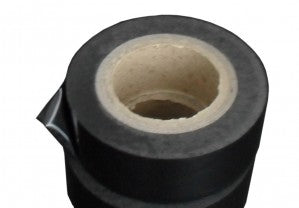
Tapes / Specialist Tapes / Low Tac Protection
-
300mmx100m - Black Low-Tac Protection TapeRegular price From £21.84 GBPRegular priceUnit price per
-
150mmx100m - Black Low-Tac Protection TapeRegular price From £9.87 GBPRegular priceUnit price per
-
75mmx100m - Black Low-Tac Protection TapeRegular price From £5.56 GBPRegular priceUnit price per
-
50mmx100m - Co-Ex Low-Tac Protection TapeRegular price From £4.97 GBPRegular priceUnit price per
-
50mmx500m - 40mic Blue Low-Tac Protection TapeRegular price From £14.82 GBPRegular priceUnit price per
-
50mmx100m - Black Low-Tac Protection TapeRegular price From £4.87 GBPRegular priceUnit price per
-
38mmx500m - 40mic Blue Low-Tac Protection TapeRegular price From £11.32 GBPRegular priceUnit price per
-
25mmx500m - 40mic Blue Low-Tac Protection TapeRegular price From £7.49 GBPRegular priceUnit price per
-
25mmx100m - Black Low-Tac Protection TapeRegular price From £2.74 GBPRegular priceUnit price per
-
1250mmx100m - White Co-Ex Low-Tac Protection TapeRegular price From £106.77 GBPRegular priceUnit price per
-
100mmx500m - 40mic Blue Low-Tac Protection TapeRegular price From £29.07 GBPRegular priceUnit price per
-
100mmx100m - Black Low-Tac Protection TapeRegular price From £7.52 GBPRegular priceUnit price per
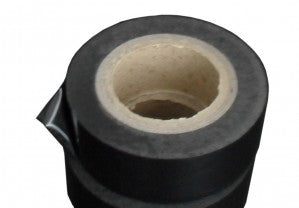
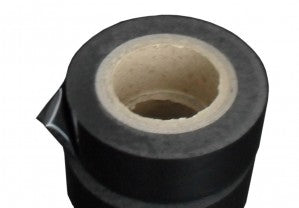
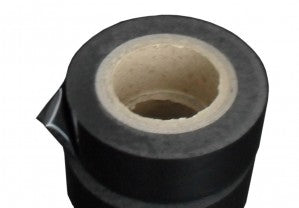
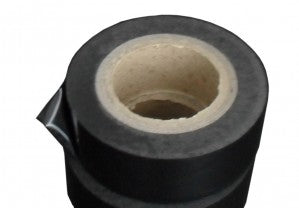
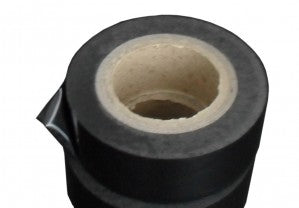
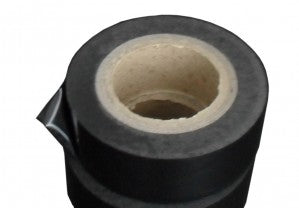
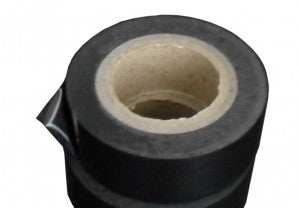
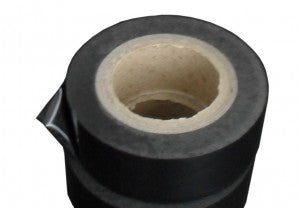
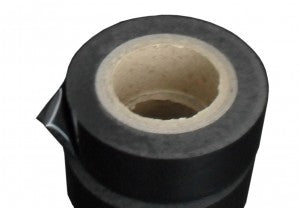
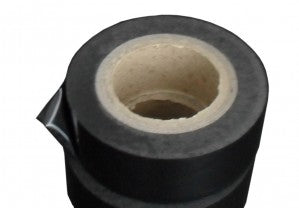
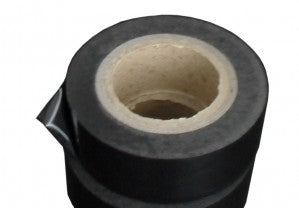
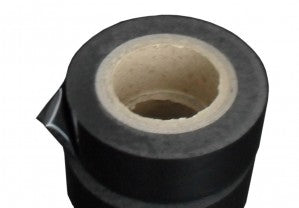
Low tac tape is ideal for attaching a protective barrier to a finished surface, such as UPVC window frame or painted / coated metal product.
Can be removed easily without leaving residue.
Tapes / Specialist Tapes / Low Tac Protection
| Product Code | Description |
| 13L50 | 50mmx100m - Black Low-Tac Protection Tape |
| 13L50W | 50mmx100m - Co-Ex Low-Tac Protection Tape |
| 13L75 | 75mmx100m - Black Low-Tac Protection Tape |
| 13L100 | 100mmx100m - Black Low-Tac Protection Tape |
| 13L300 | 300mmx100m - Black Low-Tac Protection Tape |
| 13L1250W | 1250mmx100m - White Co-Ex Low-Tac Protection Tape |
| 13L25 | 25mmx100m - Black Low-Tac Protection Tape |
| 13L505BU | 50mmx500m - 40mic Blue Low-Tac Protection Tape |
| 13L255BU | 25mmx500m - 40mic Blue Low-Tac Protection Tape |
| 13L385BU | 38mmx500m - 40mic Blue Low-Tac Protection Tape |
| 13L1005BU | 100mmx500m - 40mic Blue Low-Tac Protection Tape |
Low Tac Protection Tape for Finished Surfaces
Low tac protection tape is designed to hold a temporary protective barrier in place on finished or sensitive surfaces where you want reliable adhesion during handling, storage, fabrication, or installation—followed by clean removal. It is commonly used on uPVC window frames and profiles, painted or powder-coated metal, coated panels, and other substrates where aggressive adhesives could lift coatings, leave residue, or cause ghosting. The goal is simple: protect the surface from scuffs, light abrasion, fingerprints, and incidental contact while keeping removal straightforward at the end of the process.
Within this collection you’ll find low-tack protection tapes in multiple widths and roll lengths, including black low-tac protection tape in 25mm, 50mm, 75mm, 100mm, and 300mm widths (all 100m rolls), plus wider co-extruded (co-ex) protection tape options such as 50mm x 100m and 1250mm x 100m. There are also 40 micron blue low-tac protection tapes supplied on longer 500m rolls in 25mm, 38mm, and 50mm widths—useful when you want fewer roll changes on repetitive applications.
Low Tac Protection Tape — Helpful Guide
Choosing the right low tac protection tape is mostly about matching the tape construction and size to your surface, your process, and how long the protection needs to stay in place. Below is a practical guide to the main tape types in this category and how the products in this collection typically fit into real-world use.
1) Standard black low-tac protection tape (100m rolls)
These are general-purpose low-tack protection tapes intended for temporary masking/protection on finished surfaces. They’re often selected when you need a dependable, easy-to-handle tape for edge protection, bundling, or holding protective films/paper in place without aggressive adhesion.
-
25mm x 100m - Black Low-Tac Protection Tape
Useful for narrow edges, trims, beading, and small contact areas where you want protection without covering too much surface. -
50mm x 100m - Black Low-Tac Protection Tape
A versatile width for general protection tasks, including securing protective sheets or masking moderate-width edges. -
75mm x 100m - Black Low-Tac Protection Tape
Chosen when you need more coverage per pass—helpful on wider profiles or when bridging small gaps between protective layers. -
100mm x 100m - Black Low-Tac Protection Tape
Provides broader coverage for larger profiles and panels, reducing the number of strips needed to protect a surface. -
300mm x 100m - Black Low-Tac Protection Tape
Wide-format protection for larger areas where a tape-like protective layer is preferred over multiple narrow strips.
2) Co-extruded (co-ex) low-tac protection tape (100m rolls)
Co-extruded protection tapes typically use a multi-layer film construction. In practice, this can improve handling, tear resistance, and consistency when applying across longer runs or wider surfaces. Co-ex tapes are often selected for profile protection where a stable backing helps the tape lay flatter and remove more predictably.
-
50mm x 100m - Co-Ex Low-Tac Protection Tape
A co-ex option in a common working width—useful when you want a film-backed protection tape that applies smoothly and removes cleanly. -
1250mm x 100m - White Co-Ex Low-Tac Protection Tape
A wide co-ex protection tape suited to covering broad surfaces quickly. Often used where you want fewer seams and faster application across panels or large profiles.
3) 40 micron blue low-tac protection tape (500m rolls)
These blue protection tapes are specified at 40 microns and supplied on longer 500m rolls. Longer rolls can reduce downtime on high-throughput lines, while the thinner film format can be helpful where conformability and efficient material usage matter. As with any low-tack protection tape, performance depends on surface energy, cleanliness, dwell time, and environmental conditions.
-
25mm x 500m - 40mic Blue Low-Tac Protection Tape
Good for narrow protection runs and repetitive edge applications where long roll length improves efficiency. -
38mm x 500m - 40mic Blue Low-Tac Protection Tape
A mid-width option that balances coverage and control—useful for profiles and trims where 50mm is wider than needed. -
50mm x 500m - 40mic Blue Low-Tac Protection Tape
A common width for general protection tasks, paired with long roll length for fewer changeovers.
Process Snapshot (Case Study)
A typical use case is protecting uPVC window profiles during fabrication and installation. Profiles may be cut, drilled, handled on benches, stacked, and transported—each step introducing opportunities for scuffs or marks. A low tac protection tape can be applied to vulnerable faces or edges early in the process, then removed after fitting and final inspection. The key is selecting a tape width that covers the risk area without interfering with machining, sealing, or bonding operations, and ensuring the surface is clean and dry before application.
In coated metal fabrication, low-tack protection tapes are often used to secure temporary protective sheets or to protect edges during bending and assembly. Because coatings vary widely, it’s important to confirm that the tape removes cleanly after the expected dwell time and under the temperatures the product will experience in storage or transit.
How to Choose the Correct Low Tac Protection Tape
Match the tape width to the protection area
- 25mm–38mm: edges, trims, narrow profiles, and targeted protection.
- 50mm–100mm: general-purpose coverage for many profiles and panels.
- 300mm and wider: broad-area protection where fewer strips and seams are preferred.
Consider roll length and changeover time
If you apply tape frequently, longer rolls (such as 500m) can reduce roll changes and help maintain consistent application. For lower-volume work, 100m rolls may be easier to handle and store.
Think about surface type and finish sensitivity
Low-tack does not mean “one-size-fits-all.” Painted, powder-coated, anodised, laminated, and plastic surfaces can respond differently depending on surface energy and texture. For sensitive finishes, prioritize clean removal and avoid excessive pressure during application. Where possible, test on an offcut or inconspicuous area, especially if the tape will remain in place for extended periods.
Account for dwell time, temperature, and UV exposure
Adhesives can change behavior over time and with heat. If protected parts may sit in warm warehouses, direct sunlight, or near heat sources, confirm the tape is suitable for the expected conditions and remove it as soon as practical after the protection period ends.
Application technique matters
- Apply to a clean, dry surface—dust and oils reduce adhesion and can increase the chance of residue.
- Use even tension and avoid stretching film-backed tapes excessively, which can cause edge lift.
- Press down firmly along the contact area, especially at edges, to reduce snagging during handling.
- For removal, peel back slowly at a low angle to minimize stress on delicate coatings.
Common Uses and Practical Tips
Protecting profiles and frames
For uPVC and similar profiles, choose a width that covers the face most likely to contact benches, clamps, or packaging. Narrow widths can protect edges without interfering with hardware or seals, while wider tapes can protect larger faces during transport.
Temporary holding of protective barriers
Low tac protection tape is often used to attach protective paper, foam, or film to a finished surface. In these cases, the tape is acting as a removable “fastener.” Select a width that provides enough holding power without requiring excessive adhesive contact area.
Reducing rework and inspection failures
Surface marks can lead to rework, delays, or rejected parts. A consistent protection approach—correct tape selection, clean application, and timely removal—can reduce cosmetic defects and help maintain finish quality through the supply chain.
Q&A
Will low tac protection tape leave residue on painted or coated surfaces?
Low-tack tapes are designed for clean removal, but residue risk depends on the coating type, surface cleanliness, dwell time, and temperature. For sensitive finishes, apply to a clean, dry surface, avoid excessive pressure, and remove as soon as practical after the protection period.
How do I choose between 100m and 500m roll lengths?
Choose 500m rolls when you apply tape frequently or on production lines, as longer rolls reduce changeovers and help maintain consistent application. Choose 100m rolls for lower-volume work, easier handling, and when you need multiple widths available without storing many large rolls.
What does “40 micron” mean for protection tape?
Micron (µm) is a measure of film thickness. A 40 micron protection tape uses a relatively thin film backing, which can improve conformability and material efficiency. Thickness alone doesn’t determine performance; adhesive type, surface finish, and application conditions also affect results.
Can I use low tac protection tape outdoors or in direct sunlight?
Extended UV exposure and heat can change adhesive behavior and make removal more difficult. If parts may be stored outdoors or in sunny areas, minimize exposure time, test on the actual surface, and remove the tape promptly. For long outdoor durations, a dedicated outdoor-grade protection may be needed.
What’s the best way to apply and remove protection tape to avoid marks?
Apply the tape to a clean, dry surface using steady tension and firm, even pressure—especially along edges. Avoid overstretching film-backed tapes. To remove, peel slowly at a low angle rather than pulling sharply upward, which can stress delicate coatings.