
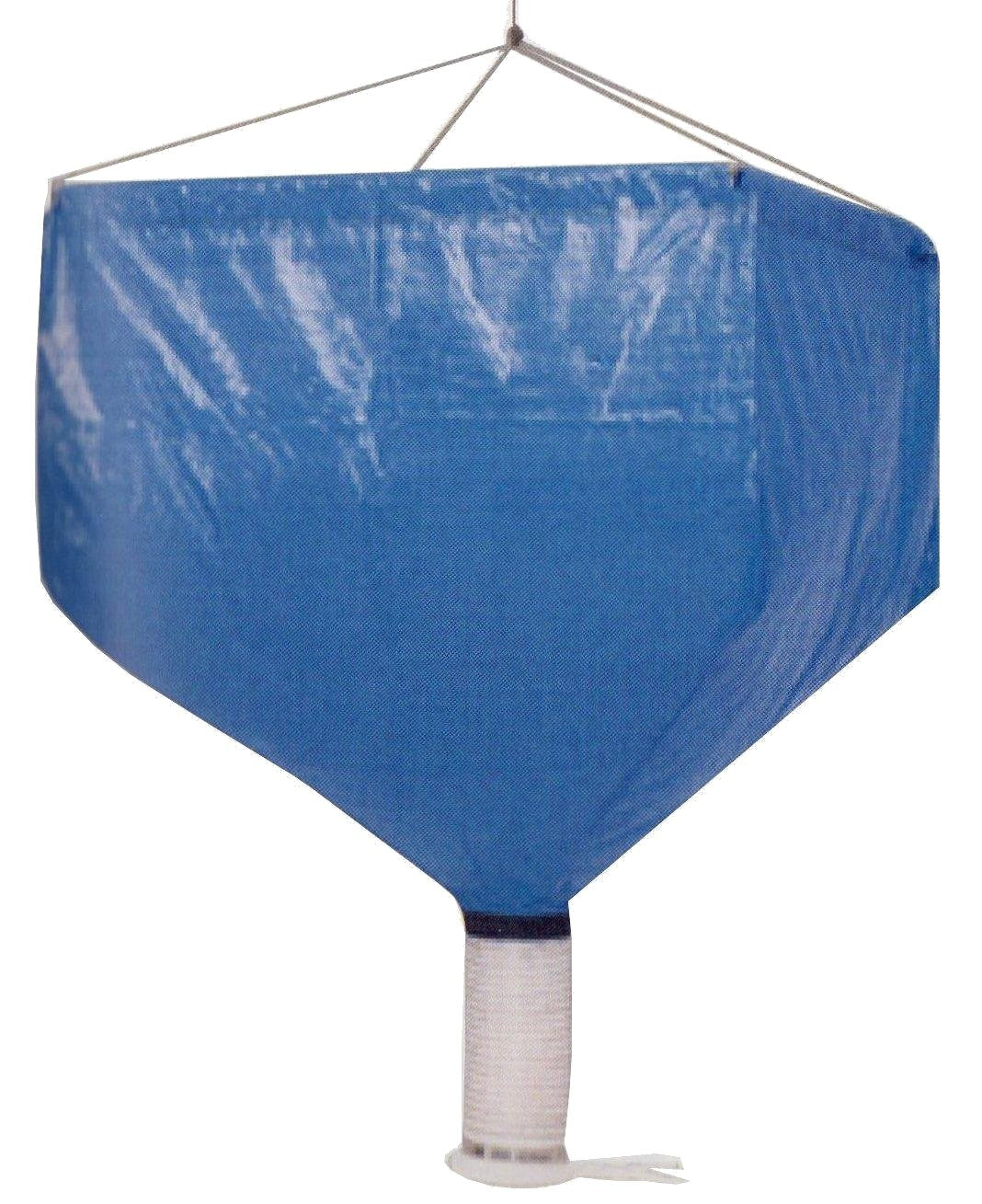
Equipment / Loosefill Hoppers
-
1 Bag Loosefill Hopper (15 cu ft)Regular price From £187.50 GBPRegular priceUnit price per
-
2 Bag Loosefill Hopper (30 cu ft)Regular price From £361.50 GBPRegular priceUnit price per
-
4 Bag Loosefill Hopper (60 cu ft)Regular price From £373.50 GBPRegular priceUnit price per


Equipment / Loosefill Hoppers
Equipment / Loosefill Hoppers
Loosefill hoppers (also called loose fill dispensers) are gravity-fed storage and dispensing units designed to keep loose fill cushioning organized and ready at a packing station. Instead of cutting open bags and letting material spill across the floor, a hopper holds loose fill overhead and releases it through a valve or chute so packers can quickly fill void space in cartons. This improves workflow consistency, reduces cleanup, and helps control how much cushioning is used per shipment.
This collection includes three hopper capacities commonly referenced by both cubic feet and “bag” equivalents: 15 cu ft (1 bag), 30 cu ft (2 bag), and 60 cu ft (4 bag). These sizes are widely used in shipping departments because they scale from single-station packing to higher-throughput operations while keeping refills manageable.
Loosefill Hoppers — Helpful Guide
Below is a practical guide to the hopper types and capacities in this category, along with the specific products available in this collection. Use it to match hopper size to your packing volume, available space, and refill frequency goals.
1) Capacity-based hopper selection (15 / 30 / 60 cu ft)
-
1 Bag Loosefill Hopper (15 cu ft)
A compact hopper intended for smaller packing areas or a single pack station. A 15 cu ft capacity is often described as a “1 bag” unit, making it a practical choice when you want overhead storage without dedicating much floor space.
-
2 Bag Loosefill Hopper (30 cu ft)
A mid-capacity hopper suited to moderate daily shipping volume. The 30 cu ft size (commonly called “2 bag”) can reduce refill interruptions compared with smaller units while still fitting many standard packing layouts.
-
4 Bag Loosefill Hopper (60 cu ft)
A higher-capacity hopper designed for busier operations or shared packing zones. At 60 cu ft (“4 bag”), it typically supports longer run times between refills and can help stabilize packing speed during peak periods.
2) What a loosefill hopper does (and what it doesn’t)
A hopper’s job is to store loose fill and dispense it in a controlled way. It does not create cushioning material; it simply manages it. If your operation uses loose fill as a void fill, blocking, or bracing medium, a hopper can make that process more repeatable by keeping material accessible at the point of use.
Hoppers are most effective when paired with a consistent packing method: choose a carton, place the product, add loose fill to fill voids and immobilize contents, then close and seal. When packers can dispense cushioning with one hand while positioning the product with the other, cycle time often improves.
Case Study: Reducing refill interruptions at a two-station pack area
Consider a small fulfillment area with two adjacent packing benches shipping a mix of lightweight, non-fragile items that still require void fill to prevent shifting. The team initially opened loose fill bags on the floor and scooped material into cartons. This created three recurring issues: (1) frequent trips to retrieve new bags, (2) inconsistent fill levels between packers, and (3) loose fill scattered around the work area.
By moving to an overhead hopper approach, the team centralized loose fill storage and standardized dispensing. A mid-capacity unit (30 cu ft) supported typical daily volume with fewer refills, while the dispensing valve allowed packers to add cushioning in smaller, repeatable bursts. The result was a cleaner station layout and fewer workflow pauses caused by bag changes.
The key takeaway: hopper capacity should be chosen based on how often you want to refill and how many packers share the same supply point—not only on how much loose fill you use in a single carton.
How to choose the correct loosefill hopper
Step 1: Estimate your loose fill consumption
Start with a simple observation period (for example, one typical shipping day). Track how many bags of loose fill are consumed and how many pack stations draw from the same supply. If you use roughly one bag per day at a single station, a 15 cu ft hopper may be sufficient. If you use multiple bags per day or have multiple packers, consider 30 or 60 cu ft to reduce refill frequency.
Step 2: Decide how many stations will share the hopper
A single hopper can serve one station or a small cluster, depending on layout. If two packers share one hopper, the effective “run time” between refills is reduced. In shared setups, moving up one capacity tier often helps maintain steady packing speed.
Step 3: Check ceiling height and clearance
Because hoppers store material overhead, confirm you have adequate vertical clearance for the hopper body plus safe access for refilling. Also consider the reach distance from the valve to the carton opening—dispensing is easiest when the carton can be positioned directly under the outlet without awkward lifting.
Step 4: Plan for refill method and material handling
Refilling typically involves lifting and emptying bags into the hopper. If bags are bulky or refills are frequent, choose a capacity that reduces how often refilling is required. Keep a step platform or safe access method available if the fill opening is above comfortable reach. Good refill ergonomics can matter as much as capacity.
Step 5: Match hopper size to variability in demand
If your shipping volume spikes seasonally or weekly, a larger hopper can act as a buffer. For example, a 60 cu ft unit may be appropriate when you want to load multiple bags at once and avoid refilling during peak pick/pack windows.
Operational tips for better results
Improve consistency with a simple dispensing routine
- Dispense a base layer of loose fill into the carton before placing the product (when appropriate for your packing method).
- Place the product and add loose fill around it to prevent lateral movement.
- Top off until the product is immobilized and the carton closes without excessive compression.
Reduce mess and waste
- Keep the valve closed when not in use to prevent accidental spills.
- Position cartons directly under the outlet to minimize stray pieces.
- Use a consistent “fill target” so cartons aren’t overfilled, which can increase material use and slow closing/sealing.
Safety and housekeeping considerations
- Maintain clear floor space under and around the hopper to reduce slip/trip hazards.
- Ensure the hopper is installed or positioned so it cannot tip or shift during use.
- Train staff on safe refilling practices, especially if a step stool or platform is used.
Common applications
Loosefill hoppers are commonly used for:
- Void filling in corrugated cartons for lightweight to moderately fragile items.
- Blocking and bracing to reduce shifting during transit.
- High-mix fulfillment where carton sizes vary and quick access to cushioning is important.
- Operations that want to keep loose fill contained and accessible rather than stored in open bags.
Capacity comparison: 15 vs 30 vs 60 cu ft
- 15 cu ft (1 bag): Best for limited space, lower daily volume, or a single packer who wants overhead organization.
- 30 cu ft (2 bag): A balanced option for moderate throughput; often reduces refill interruptions without requiring the footprint/clearance of the largest units.
- 60 cu ft (4 bag): Best for higher throughput, shared stations, or peak-demand environments where refilling during busy windows is disruptive.
These “bag” equivalencies are commonly used in the industry as a practical shorthand for how many standard bags of loose fill can be loaded at once. Actual bag volume can vary by material type and how it settles, so treat bag counts as approximate planning guidance.
Questions & Answers
What does “15 cu ft (1 bag)” or “60 cu ft (4 bag)” mean for a loosefill hopper?
It describes the hopper’s storage capacity. Cubic feet is the internal volume the hopper can hold, while “bag” is a common shorthand for how many typical loose fill bags fit. Bag volume varies by material and settling, so counts are approximate.
How do I choose between a 15, 30, and 60 cu ft hopper for my packing station?
Choose based on how quickly you consume loose fill and how often you want to refill. Lower-volume, single-station use often fits 15 cu ft. Moderate volume or shared use often fits 30 cu ft. Higher throughput or peak-demand buffering often fits 60 cu ft.
Will a larger hopper reduce loose fill usage per carton?
A larger hopper mainly reduces refill frequency and improves access. Material usage depends more on packing method, carton sizing, and how consistently packers fill voids. Standardizing a dispensing routine and avoiding overfilling typically has a bigger impact on consumption than hopper size.
What layout considerations matter most when installing or positioning a loosefill hopper?
Focus on clearance, reach, and workflow. Ensure there is enough ceiling height for the hopper and safe access for refilling. Place the outlet where cartons can sit directly underneath. Keep the surrounding floor area clear to reduce slip and trip risks.
What are common causes of mess or downtime with loose fill dispensing?
Mess often comes from leaving valves open, dispensing away from the carton opening, or storing loose fill in open bags. Downtime usually comes from frequent refills or awkward refill access. Using an appropriately sized hopper and a consistent routine helps minimize both issues.