
Bags / Sacks / Refuse Sacks
-
18x29x39 - Med 30mu Black Refuse Sack 100% RecycledRegular price From £27.91 GBPRegular priceUnit price per
-
18x29x39 - Med (25mu) Black Refuse SacksRegular price From £2.70 GBPRegular priceUnit price per
-
18x29x39 - Prosac 5 Black Refuse Sacks 45muRegular price From £36.04 GBPRegular priceUnit price per
-
18x29x39 - Med 35mu Black Refuse Sack 100% RecycledRegular price From £27.91 GBPRegular priceUnit price per
-
18x29x39 - Prosac 4 Black Refuse Sack 40muRegular price From £32.35 GBPRegular priceUnit price per
-
18x29x39 - Std (20mu) Black Refuse SacksRegular price From £34.24 GBPRegular priceUnit price per
-
16x25x39 - Clear Refuse SacksRegular price From £26.94 GBPRegular priceUnit price per
-
16x25x39 - Griffon Refuse SacksRegular price From £22.53 GBPRegular priceUnit price per
-
18x29x34 - Med (25mu) Black Refuse SacksRegular price From £68.06 GBPRegular priceUnit price per
-
18x29x34 - Prosac 1 Black Refuse Sacks 42.5/45muRegular price From £27.38 GBPRegular priceUnit price per
-
18x32x39 - Heavy (35mu) Black Refuse SacksRegular price From £13.10 GBPRegular priceUnit price per


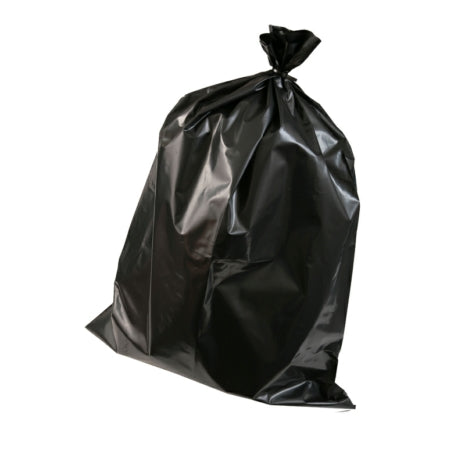
Refuse sacks, also known as bin bags, bin liners, or trash bags, are disposable bags used to collect and contain solid waste. They are typically made from plastic, such as low-density polyethylene (LDPE) or high-density polyethylene (HDPE).
Bags / Sacks / Refuse Sacks
Refuse Sacks (Bin Bags) for Everyday Waste Handling
Refuse sacks are designed to contain general waste safely and hygienically, whether you are managing day-to-day rubbish in offices and facilities or handling higher volumes in warehouses, workshops, and back-of-house areas. In this collection you will find black and clear refuse sacks in several common sizes, with options that focus on economy, strength, and recycled content. The aim is simple: choose a sack that fits the bin, holds the expected waste without splitting, and ties off cleanly for transport and disposal.
Most refuse sacks are made from polyethylene film. In practical terms, the film type and thickness influence how a sack behaves: how it stretches, how it resists punctures, and how it performs with wet or sharp-edged waste. This range includes sacks described in microns (mu), such as 20mu, 25mu, 30mu, 35mu, 40mu and 45mu, which is a straightforward way to compare relative film thickness within similar constructions.
Bags / Sacks / Refuse Sacks — Helpful Guide
This guide explains the main types of refuse sacks in this category and links you to the exact products shown on this page. Use it to match sack size, thickness, and material choice to your waste stream.
1) Standard-duty black refuse sacks (general waste)
Standard-duty sacks are typically chosen for light-to-moderate waste where cost efficiency and reliable tying are the priority. They are commonly used for office waste, packaging offcuts, and routine housekeeping.
-
18x29x39 - Std (20mu) Black Refuse Sacks
Lightweight option for everyday, low-risk waste where sharp items are minimal. A practical choice for frequent bag changes and general bin use.
2) Medium-duty black refuse sacks (balanced strength)
Medium-duty sacks provide a step up in robustness for mixed waste, including heavier loads or occasional awkward shapes. They are often used in kitchens, canteens, light industrial areas, and busy communal spaces.
-
18x29x39 - Med (25mu) Black Refuse Sacks
A versatile mid-weight sack suited to general waste where you want improved tear resistance compared with standard options. -
18x29x34 - Med (25mu) Black Refuse Sacks
Similar medium-duty thickness in a shorter length, useful where bin height is lower or where you want less excess film above the rim.
3) Heavy-duty black refuse sacks (higher load and puncture resistance)
Heavy-duty sacks are intended for more demanding waste streams, such as heavier bag weights, denser contents, or situations where the bag may be dragged or handled more aggressively. They can help reduce split bags and leakage incidents when used appropriately.
-
18x32x39 - Heavy (35mu) Black Refuse Sacks
A heavier gauge option with added width and thickness for bulkier waste and higher fill weights, helping improve durability during removal and transport.
4) Extra-strong / performance refuse sacks (thicker micron options)
Where waste includes sharper edges, heavier loads, or higher handling stress, thicker sacks can provide additional confidence. These are often selected for trade waste, warehousing, and areas where bag failure is disruptive or costly to clean up.
-
18x29x39 - Prosac 4 Black Refuse Sack 40mu
Higher thickness for tougher waste handling, supporting improved puncture and tear resistance in demanding environments. -
18x29x39 - Prosac 5 Black Refuse Sacks 45mu
One of the thickest options in this collection, typically chosen when maximum strength is needed for heavy or awkward waste. -
18x29x34 - Prosac 1 Black Refuse Sacks 42.5/45mu
A shorter-length, high-strength option for lower bins or where you want a compact sack with strong film performance.
5) Recycled-content black refuse sacks (resource-conscious choice)
Recycled refuse sacks are designed to support waste management needs while using recycled material content. They are commonly used in facilities that track sustainability metrics or prefer recycled-content consumables. As with any sack, performance depends on thickness, waste type, and handling method.
-
18x29x39 - Med 30mu Black Refuse Sack 100% Recycled
Recycled-content option with a medium-to-heavier thickness, suitable for general waste where you want a stronger recycled sack. -
18x29x39 - Med 35mu Black Refuse Sack 100% Recycled
Thicker recycled option for heavier loads or more demanding handling, helping reduce the risk of splits compared with lighter sacks.
6) Clear refuse sacks (visibility and segregation support)
Clear sacks are often used where contents need to be visible for auditing, compliance, or improved segregation. They can be helpful in workplaces that separate recyclables, manage confidential waste processes, or want quick visual checks to reduce contamination.
-
16x25x39 - Clear Refuse Sacks
Clear sack option for visibility of contents, useful for waste segregation routines and quick checks before disposal. -
16x25x39 - Griffon Refuse Sacks
Clear refuse sack option in the same size format, suitable where you want visibility and consistent sizing for standard bins.
Case Study: Reducing Split Bags in a Busy Back-of-House Area
A facilities team managing a shared waste point noticed frequent bag splits during removal. The waste stream included mixed packaging, occasional sharp-edged cartons, and heavier-than-expected loads at peak times. Staff were double-bagging as a workaround, which increased consumption and slowed down changeovers.
The team reviewed three factors: (1) whether the sack size matched the bin and typical fill height, (2) whether the film thickness was appropriate for the weight and sharpness of the waste, and (3) whether tying and handling practices were contributing to stress points. They found that bags were often overfilled above the rim, creating strain at the top seal when tied.
By switching to a heavier-duty option for the busiest waste point and introducing a simple “fill to rim” guideline, the team reduced split incidents and improved housekeeping efficiency. The key lesson was that the correct sack is not only about thickness; it is also about matching size and handling method to the real-world waste profile.
How to Choose the Correct Refuse Sack
Step 1: Confirm the sack size for your bin
Refuse sack sizes are commonly shown as width x gusset x length (often in inches). The width and gusset determine how the sack fits around the bin rim, while the length determines whether there is enough film to line the bin and still tie off securely. If a sack is too short, tying becomes difficult and the top edge can tear. If it is too long, excess film can snag or drag during removal.
In this collection you will see sizes such as 18x29x39, 18x29x34, 18x32x39, and 16x25x39. As a practical approach, choose the size that comfortably lines the bin without stretching tightly at the rim, and leaves enough length to knot or tie without over-tensioning.
Step 2: Match thickness (micron) to waste type and handling
Micron (mu) is a useful indicator of film thickness. Within similar materials and constructions, higher micron sacks generally provide improved resistance to tearing and puncturing. However, the “best” thickness depends on what you are throwing away and how the bag is handled.
- Light waste (paper, light packaging): a standard option such as 20mu may be sufficient.
- Mixed waste (general rubbish, moderate weight): medium options such as 25mu can provide a better balance.
- Heavier or awkward waste: consider thicker options such as 35mu and above, especially if bags are dragged or moved long distances.
- Sharp edges (broken packaging, rigid plastics, metal offcuts): thicker sacks can help, but also consider reducing sharp exposure by boxing sharp items or using dedicated containers where appropriate.
Step 3: Decide between black and clear sacks
Colour choice is often operational rather than cosmetic:
- Black sacks are commonly used for general waste where contents do not need to be visible.
- Clear sacks support visibility for segregation, auditing, and quick checks to reduce contamination.
Step 4: Consider recycled-content options
Recycled refuse sacks can support internal sustainability goals and reporting. When selecting recycled sacks, focus on the same fundamentals: correct size, suitable thickness, and appropriate handling. If your waste stream is heavy or includes sharp edges, choose a thicker recycled option to help maintain performance.
Step 5: Plan for safe tying, lifting, and transport
Even a strong sack can fail if it is overfilled or lifted incorrectly. To reduce splits and leaks:
- Do not overfill above the rim; leave enough film to tie without stretching.
- Lift from the knot or gathered neck rather than pulling from the side wall.
- Use two-person lifts for heavy bags and avoid dragging across rough floors.
- Where liquids are present, consider double-lining bins or using thicker sacks to reduce seepage risk.
Common Applications for Refuse Sacks
Refuse sacks are used across many environments. Choosing the right specification helps maintain cleanliness and reduces time spent dealing with split bags.
- Offices and reception areas: lighter sacks for paper and general waste.
- Kitchens and catering: medium-to-heavy sacks for mixed waste; consider thicker film where wet waste increases weight.
- Warehouses and distribution: heavier sacks for packaging waste and higher handling stress.
- Workshops and light industrial: thicker sacks where puncture risk is higher.
- Facilities management: clear sacks for segregation and compliance routines.
Understanding Refuse Sack Measurements (Quick Reference)
While bin shapes vary, the following principles help when comparing sizes:
- Width relates to the sack’s flat width across the opening.
- Gusset adds depth, helping the sack fit around wider bin rims and accommodate bulkier contents.
- Length determines how far the sack drops into the bin and how much material remains for tying.
If you are unsure, it can help to measure your bin circumference and height, then choose a sack that fits without stretching tightly and provides enough length to tie comfortably.
Storage and Handling Tips
- Store sacks in a cool, dry place away from direct sunlight to help maintain film integrity.
- Keep rolls or packs near the point of use to reduce handling time and encourage correct bag changes.
- Train staff to avoid placing sharp items directly into sacks where possible; use rigid containers for sharps or broken materials.
- Standardise sack types by area (e.g., office, kitchen, warehouse) to reduce incorrect usage.
Frequently Asked Questions
What does “micron (mu)” mean on refuse sacks?
Micron (mu) is a unit of thickness for plastic film. In general, a higher micron number indicates a thicker film, which can improve resistance to tearing and puncturing. The best choice depends on waste weight, sharp edges, and how the bag is handled.
How do I choose the right refuse sack size for my bin?
Start with bin height and rim circumference. Choose a sack that lines the bin without stretching tightly at the rim and leaves enough length to tie securely. If a sack is too short it can tear when tied; too long can snag.
Are clear refuse sacks better for recycling and segregation?
Clear sacks can help because contents are visible, making it easier to spot contamination and confirm correct segregation. They are often used where audits or compliance checks are required. Performance still depends on selecting the right size and thickness.
When should I use heavy-duty refuse sacks instead of standard sacks?
Use heavier-duty sacks when waste is heavier, bulkier, or more likely to puncture the film, or when bags are moved longer distances and handled more. If you frequently see splits or leaks, increasing thickness and improving fill practices can help.
Do recycled refuse sacks perform differently from non-recycled sacks?
Performance depends on film construction and thickness as well as waste type and handling. Recycled-content sacks can work well for many applications, but it is important to choose an appropriate micron level for your waste stream, especially if loads are heavy.