
Equipment / Staplers
-
32/15 - Pneumatic Carton Top StaplerRegular price From £138.02 GBPRegular priceUnit price per
-
32/15 - Carton Top StaplerRegular price From £138.02 GBPRegular priceUnit price per
-
13/6 - Gun Tagger 13Regular price From £28.84 GBPRegular priceUnit price per
-
SP50 - Pneumatic Plier StaplerRegular price From £66.00 GBPRegular priceUnit price per
-
21/4 - Bambi - Hand Plier 51- TurtleRegular price From £17.10 GBPRegular priceUnit price per
-
73/8 - Hand Plier Rap31Regular price From £46.34 GBPRegular priceUnit price per
-
26/6 - Hand Plier 1 - PorpoiseRegular price From £18.99 GBPRegular priceUnit price per
-
A11 - Hammer TackerRegular price From £28.84 GBPRegular priceUnit price per
-
26/6 - Desk StaplerRegular price From £11.69 GBPRegular priceUnit price per


Equipment / Staplers
Equipment / Staplers
Stapling equipment is used to fasten packaging materials quickly and consistently—whether you are closing corrugated cartons, attaching tags, or securing light materials to wood or fiberboard. In a packing environment, the right stapler improves closure reliability, reduces rework, and helps standardize results across shifts. This category focuses on practical stapling tools commonly used in shipping rooms, warehouses, retail backrooms, and light production lines.
Because staplers are often specified by the staple series they drive (for example, 32/15, 73/8, or 26/6), selecting the correct tool is closely tied to the fastener size, crown, and leg length required for your material stack-up. The sections below explain the main tool types in this collection and how to match them to typical packaging tasks.
Equipment / Staplers — Helpful Guide
Different staplers are designed around different motions (top-down, plier-style squeeze, hammer action, or desktop press) and different staple formats. Use this guide to understand what each tool type is best suited for, and to identify the products in this collection that match your application.
1) Carton top staplers (manual and pneumatic)
Carton top staplers are built for closing the top flaps of corrugated cartons. They are typically used when tape is not ideal—such as when cartons are dusty, cold, or when a mechanical fastener is preferred for tamper resistance or for certain export and industrial shipments. These tools are commonly paired with heavier-gauge staples and longer legs to penetrate corrugated board and clinch securely.
- 32/15 - Carton Top Stapler — A carton-closure tool designed to drive 32/15 staples for fastening corrugated carton tops. Useful for consistent top closure where a stapled seam is preferred over tape.
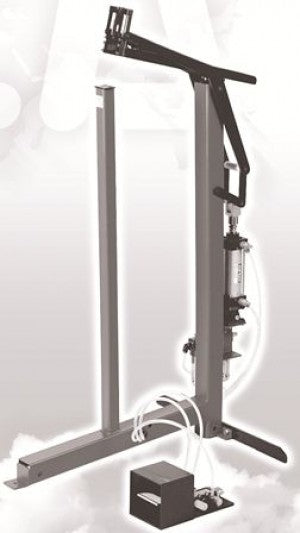
- 32/15 - Pneumatic Carton Top Stapler — An air-powered version intended for higher throughput and reduced operator effort. Pneumatic drive can help maintain consistent penetration and clinch across repetitive closures.
Typical use cases: closing regular slotted containers (RSCs), reinforcing heavy cartons, securing cartons that will be handled repeatedly, and applications where staples are part of a standardized packing specification.
What to check before choosing: corrugated thickness (single/double wall), required leg length, staple crown compatibility, and whether your workflow benefits from pneumatic power (higher volume, reduced fatigue) versus manual operation (lower complexity, no air supply).
2) Plier staplers (hand and pneumatic)
Plier staplers are squeeze-operated tools that staple as you compress the handles, making them well suited for closing small cartons, bags, sleeves, and light packaging assemblies. They are also used for attaching labels or cards to packaging components when a quick, controlled staple is needed. Plier staplers are valued for their maneuverability and the ability to staple in tight spaces.
- 21/4 - Bambi - Hand Plier 51- Turtle — A hand plier stapler that uses 21/4 staples. Often chosen for light packaging tasks where a compact, hand-held squeeze action is convenient.
- 73/8 - Hand Plier Rap31 — A hand plier stapler designed around 73/8 staples. Suitable for repetitive hand stapling where consistent placement and quick cycling matter.
- 26/6 - Hand Plier 1 - Porpoise — A hand plier stapler that uses 26/6 staples. Commonly used for lighter materials and smaller closures where a shorter leg length is appropriate.
- SP50 - Pneumatic Plier Stapler — A pneumatic plier stapler intended to reduce hand force and increase speed for higher-volume work. Air power can help maintain uniform drive depth across long runs.
Typical use cases: closing small cartons, stapling paperboard sleeves, securing poly or paper bags (where appropriate), attaching cards/tags to packaging components, and light assembly work.
What to check before choosing: staple series and leg length, material stack thickness, access/clearance around the staple point, and whether operator fatigue is a concern (pneumatic options can help in high-cycle environments).
3) Hammer tackers
Hammer tackers drive staples by impact. They are often used for fastening lightweight materials quickly over larger areas, especially when precision placement is less critical than speed. In packaging and shipping contexts, hammer tackers can be used for temporary fastening, securing protective materials, or attaching paper and film to wood or fiberboard surfaces.
- A11 - Hammer Tacker — An impact-driven stapling tool designed for rapid fastening of light materials. Useful when you need speed and broad coverage rather than fine placement control.
Typical use cases: attaching kraft paper or protective sheets to crates, securing light wrap to wood, and quick fastening tasks where the work surface can tolerate impact.
What to check before choosing: staple compatibility, substrate hardness, and whether the application requires controlled clinching (hammer tackers are generally best for speed-focused fastening rather than precision closures).
4) Desk staplers (bench/office-style)
Desk staplers are press-down tools designed for paper and light materials. In a packaging operation, they are often used at packing stations for paperwork, labels, and documentation packets. While they are not intended for corrugated carton closure, they can be essential for organizing shipping documents and internal process paperwork.
- 26/6 - Desk Stapler — A desktop stapler that uses 26/6 staples. Suitable for paperwork and light fastening tasks at a packing or receiving desk.
Typical use cases: stapling packing slips, invoices, receiving documents, and light paper bundles used in shipping and inventory workflows.
Case study: reducing carton rework by standardizing closure
A warehouse shipping mixed-weight orders noticed inconsistent carton closures: some operators used tape only, while others reinforced with staples. The result was variable seam strength and occasional flap lift during handling. The team documented the carton sizes and board grades used most often, then standardized on a carton top stapling method for heavier cartons and a lighter method for small cartons and inserts.
After standardization, operators used a consistent staple series for the heavy cartons and a plier-style tool for smaller packages. The key improvement was not simply “more staples,” but consistent placement and matching staple leg length to the corrugated thickness. With a defined closure method, training became easier, closure quality became more uniform, and rework from reopened seams decreased.
How to choose the correct stapler for your packaging task
Step 1: Define the material stack-up
Start by listing what you are fastening: single-wall corrugated, double-wall corrugated, paperboard, paper bundles, tags, or protective materials. The thickness and density of the stack-up largely determine the staple leg length you need and whether a manual tool will drive consistently.
Step 2: Match the tool to the motion and access
- Top closure on cartons: choose a carton top stapler for straight-down access and consistent seam fastening.
- Small packages or tight access: choose a plier stapler for controlled placement and one-handed operation.
- Fast coverage on light materials: choose a hammer tacker when speed matters more than precise placement.
- Paperwork and labels: choose a desk stapler for paper bundles and station documentation.
Step 3: Decide between manual and pneumatic
Pneumatic staplers are typically selected when cycle counts are high, when consistent drive depth is critical, or when reducing operator fatigue is a priority. Manual staplers can be ideal for lower-volume work, mobile use, or environments where compressed air is not available. If you are stapling all day, air power can improve consistency and comfort.
Step 4: Confirm staple series compatibility
Staplers are engineered around specific staple series (for example, 32/15, 73/8, 26/6, or 21/4). Always confirm that the tool and staple series match exactly. Even if two staples look similar, differences in crown width, wire gauge, or leg length can cause jams, poor clinching, or incomplete drive.
Step 5: Consider clinch quality and appearance requirements
For carton closure, a secure clinch and consistent penetration are essential. For tags or paperwork, appearance and neatness may matter more than maximum holding power. If the staple must not snag contents, ensure the clinch is tight and the leg length is not excessive for the material thickness.
Operating tips for better results
- Keep staples dry and clean: moisture and debris can increase jams and inconsistent feeding.
- Use the right leg length: too short may not clinch; too long can buckle or protrude.
- Maintain consistent placement: especially on carton seams—repeatable placement improves closure strength.
- Check air supply (pneumatic tools): stable pressure and clean, dry air help maintain consistent drive depth.
- Inspect wear points: worn drivers and anvils can reduce clinch quality and increase misfires.
Common applications in packaging and shipping
- Carton sealing and reinforcement: stapled seams for heavy or high-handling cartons.
- Small carton and sleeve closure: plier staplers for quick, controlled fastening.
- Tagging and identification: attaching tags or cards where a staple is acceptable for the material.
- Crating and protective wrap: hammer tackers for fastening paper or film to wood surfaces.
- Documentation control: desk staplers for packing lists and shipping paperwork.
Questions & Answers
What is the difference between a carton top stapler and a plier stapler?
A carton top stapler is designed for closing corrugated carton flaps with a straight-down action and heavier staples. A plier stapler is squeeze-operated for smaller packages and tighter access. The best choice depends on carton size, material thickness, and placement control needs.
How do I know which staple size (for example, 32/15 or 26/6) I need?
Staple size is tied to the tool and the material stack thickness. The first number typically indicates the staple series, while the second relates to leg length. Choose a staple that penetrates the full stack and clinches without excessive protrusion, and confirm exact tool compatibility.
When should I choose a pneumatic stapler instead of a manual stapler?
Choose pneumatic staplers for high-volume work, when consistent drive depth is critical, or when reducing hand and wrist fatigue matters. Manual staplers are often sufficient for lower cycle counts, mobile tasks, or areas without compressed air. Workflow volume and ergonomics usually drive the decision.
What causes staplers to jam frequently in packaging operations?
Frequent jams are commonly caused by using the wrong staple series, damaged or damp staples, debris in the magazine, or worn driver components. In pneumatic tools, inconsistent air pressure can also contribute. Verifying staple compatibility and keeping the tool clean typically resolves most issues.
Can a desk stapler be used to close corrugated shipping cartons?
Desk staplers are intended for paper and light materials and generally do not provide the drive force or staple format needed for corrugated carton closure. For cartons, use a carton top stapler or an appropriate plier or pneumatic stapler designed for packaging materials and thicker substrates.