
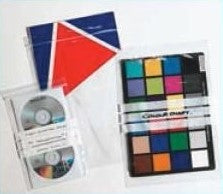
Bags / Resealable (Grip Seal) / Grip-Seal with Write-On Panel
-
No132 - (9x12.75) Pro-Loc Grip Seal "Write-On" Poly Bags (229x324mm)Regular price From £66.00 GBPRegular priceUnit price per
-
No133 - (10x14) Pro-Loc Grip Grip Seal "Write-On" Poly Bags (254x356mm)Regular price From £67.16 GBPRegular priceUnit price per
-
No131 - (8x11) Pro-Loc Grip Seal "Write-On" Poly Bags (203x279mm 45mu)Regular price From £141.31 GBPRegular priceUnit price per
-
No130 - (6x9) Pro-Loc Grip Seal "Write-On" Poly Bags (152x229mm)Regular price From £101.25 GBPRegular priceUnit price per
-
No129 - (7.5x7.5) Pro-Loc Grip Seal "Write-On" Poly Bags (191x191mm)Regular price From £6.39 GBPRegular priceUnit price per
-
No127 - (3x7.5) Pro-Loc Grip Seal "Write-On" Poly Bags (76x191mm)Regular price From £0.22 GBPRegular priceUnit price per
-
No125 - (4x5.5) Pro-Loc Grip Seal "Write-On" Poly Bags (102x140mm)Regular price From £89.93 GBPRegular priceUnit price per
-
No124 - (4.25x4.25) Pro-Loc Grip Seal "Write-On" Poly Bags (108x108mm)Regular price From £0.22 GBPRegular priceUnit price per
-
No123 - (3.5x4.5) Pro-Loc "Write-On" Poly Bags (89x114mm)Regular price From £188.96 GBPRegular priceUnit price per
-
No122 - (3x3.25) Pro-Loc Grip Seal "Write-On" Poly Bags (76x83mm)Regular price From £139.67 GBPRegular priceUnit price per
-
No120 - (2.25x2.25) Pro-Loc Grip Seal "Write-On" Poly Bags (57x57mm)Regular price From £4.97 GBPRegular priceUnit price per
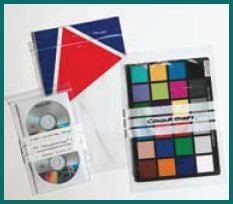
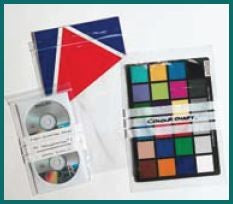
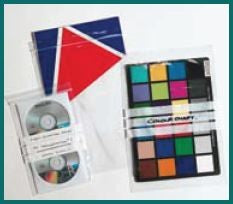
Grip-seal bags with write-on panels are a versatile and convenient packaging solution. They are made from durable polythene and feature a resealable closure and a white panel for easy labelling.
Our range of clear Pro-Loc grip seal display bags are ideal for protecting and storing a wide variety of products. The high quality clear polythene finish also ensures your product is presented to a high standard.
Bags / Resealable (Grip Seal) / Grip-Seal with Write-On Panel
Grip-Seal Bags with Write-On Panel: Clear, Resealable Storage with Easy Identification
Grip-seal bags with a write-on panel are clear polythene resealable bags designed for quick, repeat access and simple, reliable identification. Each bag combines a press-to-close grip seal with a white write-on area, making it easier to label contents, dates, batch numbers, locations, or handling notes without needing separate labels.
This category focuses on clear grip-seal bags with a dedicated write-on panel in a range of sizes, suitable for organising, protecting, and presenting items where visibility and traceability matter. The clear film helps you confirm contents at a glance, while the write-on panel supports consistent stock control and reduces mix-ups during picking, packing, kitting, and storage.
Grip-Seal with Write-On Panel — Helpful Guide
Write-on panel grip-seal bags are commonly used anywhere items need to be separated, protected from dust and handling, and clearly identified. They are especially useful for small parts, samples, components, and mixed orders where multiple similar items must be kept distinct.
1) Clear grip-seal bags with write-on panel (all sizes in this collection)
All products in this collection are clear grip-seal bags with a white write-on panel. The main difference between items is the bag size, which affects what fits comfortably and how the bag performs in day-to-day handling.
-
No120 - (2.25x2.25) Pro-Loc Grip Seal "Write-On" Poly Bags (57x57mm)
Compact square bags for very small items such as fasteners, small samples, beads, or tiny components where a short label (e.g., part code and quantity) is enough. -
No122 - (3x3.25) Pro-Loc Grip Seal "Write-On" Poly Bags (76x83mm)
Small-format bags that provide a little more room for both contents and handwriting, useful for small parts, sample portions, or grouped items that still need clear identification. -
No123 - (3.5x4.5) Pro-Loc "Write-On" Poly Bags (89x114mm)
A versatile small bag size for components, craft items, or small retail parts where you want a clearer label area and easier handling than the smallest formats. -
No124 - (4.25x4.25) Pro-Loc Grip Seal "Write-On" Poly Bags (108x108mm)
Square bags suited to items that sit better in a wider footprint (e.g., small assemblies, fittings, or flat items). The write-on panel supports quick sorting and bin identification. -
No125 - (4x5.5) Pro-Loc Grip Seal "Write-On" Poly Bags (102x140mm)
General-purpose bags for slightly larger parts, mixed kits, or items that need a longer label (e.g., description, date, and operator initials). -
No127 - (3x7.5) Pro-Loc Grip Seal "Write-On" Poly Bags (76x191mm)
Longer bags designed for narrow items such as cables, small tools, elongated components, or grouped parts that benefit from a slim profile and clear labelling. -
No129 - (7.5x7.5) Pro-Loc Grip Seal "Write-On" Poly Bags (191x191mm)
Larger square bags for bulkier items, multiple components in one pack, or products that need more space to lay flat while still being visible and easy to identify. -
No130 - (6x9) Pro-Loc Grip Seal "Write-On" Poly Bags (152x229mm)
A popular mid-to-large size for parts, documents, instruction sheets with components, or items that need extra room for handling and a more detailed label. -
No131 - (8x11) Pro-Loc Grip Seal "Write-On" Poly Bags (203x279mm 45mu)
Large-format bags suitable for bigger components, grouped kits, or items that need to stay together with paperwork. The listed 45mu thickness indicates a defined film gauge for consistent handling. -
No132 - (9x12.75) Pro-Loc Grip Seal "Write-On" Poly Bags (229x324mm)
Extra-large bags for larger items or multi-part kits where visibility and clear identification are still required, and where repeated opening/closing is expected. -
No133 - (10x14) Pro-Loc Grip Grip Seal "Write-On" Poly Bags (254x356mm)
The largest size in this collection for bulky contents, larger assemblies, or consolidated packs where a clear write-on area helps maintain traceability through storage and dispatch.
Case Study: Reducing Picking Errors in a Small Parts Workflow
Consider a typical small-parts operation: multiple similar-looking components are stored in bins, picked into kits, and then moved through packing and dispatch. Without consistent identification, it is easy for parts to be mixed, quantities to be misread, or older stock to be used unintentionally.
By switching to clear grip-seal bags with write-on panels, teams can standardise how items are separated and labelled at each step. For example, a picker can write a part code, quantity, and location on the panel; a quality check can add initials and date; and packing can confirm contents visually without opening the bag. The resealable closure supports inspection and rework without needing to replace packaging, while the write-on panel keeps the identification attached to the item rather than relying on external paperwork.
The result is a clearer chain of custody for parts and fewer avoidable errors caused by unclear identification or mixed components.
How to Choose the Correct Grip-Seal Write-On Bag
1) Choose the right size (fit and usability)
Start with the item’s maximum length, width, and thickness. A good rule is to allow extra space so the contents sit flat and the grip seal can close without strain. If the bag is too tight, the seal may be harder to close consistently and the write-on panel may be harder to use neatly.
- For tiny parts: choose smaller formats such as 57x57mm or 76x83mm to reduce wasted space and keep bins tidy.
- For mixed kits: choose a size that allows components to lie flat and leaves room for a readable label.
- For long items: a longer bag format can prevent bending and makes it easier to keep items aligned.
2) Consider film thickness (micron / mu) for handling and protection
Film thickness is often stated in microns (µm), sometimes written as “mu”. Thicker film generally provides more puncture resistance and a sturdier feel, which can matter for heavier items or parts with sharper edges. Where a thickness is specified (for example, 45mu), it can help you match performance expectations across repeat orders.
If you are packing items with corners, threads, or edges, consider testing a sample size first to confirm the bag withstands handling without tearing or stretching excessively.
3) Decide what needs to be written (label content and legibility)
Write-on panels are most effective when the information is standardised. Before choosing a size, decide what you need to record. Common fields include:
- Part number / SKU
- Description
- Quantity
- Date (packed, received, or expiry where applicable)
- Batch / lot number
- Operator initials or check sign-off
If you need multiple fields, a larger bag often makes it easier to write clearly and reduces the chance of smudging.
4) Think about the environment (storage, transport, and workflow)
Grip-seal write-on bags are commonly used for general storage and organisation. If your workflow includes frequent opening and closing (e.g., picking partial quantities), a resealable closure helps maintain order without repeatedly replacing packaging. For dusty environments, the seal helps keep contents cleaner than open-top bags.
For specialist requirements (such as direct food contact, medical use, or chemical compatibility), confirm the relevant suitability and compliance requirements for your application before use.
Best Practices for Labelling and Handling
Use the right pen
For clear, durable writing, many users prefer permanent markers. For temporary identification, a non-permanent marker may be suitable. Always test on the write-on panel first to confirm drying time and resistance to smudging in your handling conditions.
Write before filling (when practical)
Writing on an empty bag often produces clearer text because the panel is flat and supported. If you need to label after filling, place a flat card behind the panel to create a firm writing surface.
Remove excess air for neater storage
For compact storage, gently press out excess air before sealing. This helps bags stack more neatly in bins and reduces the chance of the seal opening due to internal pressure.
Don’t overload the seal area
Keep bulky items below the seal line so the closure can engage fully. If contents push into the seal, the bag may not close consistently and can open during handling.
Common Uses for Write-On Panel Grip-Seal Bags
- Warehousing and stock control: label bin-ready packs with part codes, quantities, and locations.
- Manufacturing and kitting: keep multi-part kits together with clear identification and check sign-off.
- Maintenance and field service: organise spare parts and fittings with dates and job references.
- Samples and small items: separate and identify samples, small components, or mixed assortments.
- Retail and presentation: keep items clean and visible while maintaining a neat, consistent label area.
Questions & Answers
What is the benefit of a write-on panel compared with a standard clear grip-seal bag?
A write-on panel provides a dedicated white area for clear handwriting, making identification easier than writing directly on clear film. It helps keep part codes, dates, and quantities readable, improving organisation and reducing mix-ups during storage, picking, and packing.
How do I choose the right bag size for my items?
Measure the item’s length, width, and thickness, then allow extra space so the contents sit flat and the seal closes without strain. If you need to include paperwork or write longer notes, choose a larger size for better legibility and handling.
What does “mu” or “micron” mean on a grip-seal bag specification?
Micron (µm), sometimes written as “mu”, refers to the thickness of the plastic film. Higher micron values generally indicate a thicker, more robust bag that can better resist punctures and stretching. Thickness choice depends on item weight, edges, and handling frequency.
Can I reuse grip-seal write-on bags multiple times?
These bags are designed with a resealable closure for repeated opening and closing. Reuse depends on your application and handling conditions. If the bag becomes punctured, heavily creased, or the seal area is contaminated with dust or debris, replacement is recommended.
What’s the best way to prevent writing from smudging on the panel?
Use a suitable marker and allow ink to dry fully before stacking or handling. Writing on a flat, supported panel improves clarity and reduces smearing. If bags are handled frequently, test your pen choice to confirm it remains legible under your workflow conditions.