
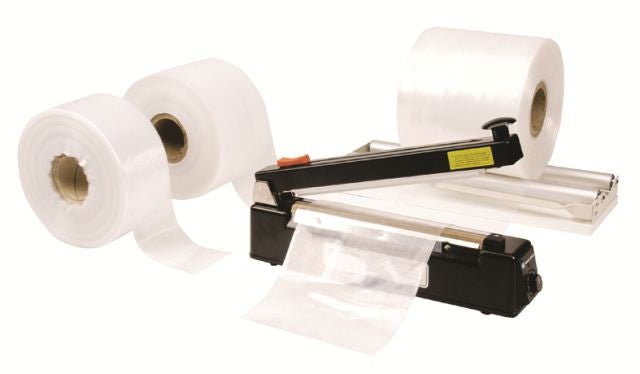
Polythene / Layflat Tubing (Popular) / 250G (63mu) LFT
-
8"x8kg - 250g Lay Flat Tubing (203mm - 64mu)Regular price From £45.60 GBPRegular priceUnit price per
-
7"x7kg - 250g Lay Flat Tubing (178mm - 64mu)Regular price From £26.52 GBPRegular priceUnit price per
-
4"x4kg - 250g Lay Flat Tubing (102mm - 64mu)Regular price From £25.40 GBPRegular priceUnit price per
-
40"x25kg - 250g Lay Flat Tubing (1016mm - 64mu)Regular price From £82.15 GBPRegular priceUnit price per
-
3"x3kg - 250g Lay Flat Tubing (76mm - 64mu)Regular price From £22.26 GBPRegular priceUnit price per
-
36"x30kg - 250g Lay Flat Tubing (914mm - 64mu)Regular price From £97.52 GBPRegular priceUnit price per
-
30"x35kg - 250g Lay Flat Tubing (762mm - 64mu)Regular price From £110.40 GBPRegular priceUnit price per
-
30"x25kg - 250g Clear Regran Lay Flat Tubing (762mm - 64mu)Regular price From £134.69 GBPRegular priceUnit price per
-
2"x2kg - 250g Lay Flat Tubing (51mm - 64mu)Regular price From £7.43 GBPRegular priceUnit price per
-
28"x25kg - 250g Clear Lay Flat Tubing (711mm - 64mu)Regular price From £122.77 GBPRegular priceUnit price per
-
22"x25kg - 250g Lay Flat Tubing (559mm - 64mu)Regular price From £82.15 GBPRegular priceUnit price per
-
1½"x1½kg - 250g Lay Flat Tubing (38mm - 64mu)Regular price From £14.56 GBPRegular priceUnit price per
-
1"x1kg - 250g Lay Flat Tubing (25mm - 64mu)Regular price From £11.96 GBPRegular priceUnit price per
-
18"x 25kg - 250g Lay Flat Tubing (457mm - 64mu) RegranulatedRegular price From £120.60 GBPRegular priceUnit price per
-
16"x16kg - 250g Lay Flat Tubing (406mm - 64mu)Regular price From £92.30 GBPRegular priceUnit price per
-
15"x15kg - 250g Lay Flat Tubing (381mm - 64mu)Regular price From £87.23 GBPRegular priceUnit price per
-
14"x14kg - 250g Lay Flat Tubing (356mm - 64mu)Regular price From £82.07 GBPRegular priceUnit price per


Polythene Lay Flat tubing made from 30% recycled content material, unless otherwise stated.
Ideal for long and irregular items; make your own size bag - simply heat seal the ends.
Protect blinds, carpets and long pole shaped objects against dust, water and scratches.
Black is also available for security, or colours for quick identification.
Recyclable and Economical
Use impulse heat sealer, for neat professional finish
Bespoke printing
Wide range of widths and thicknesses in stock
Any sizes and gauge, subject to minimum order quantities
Polythene / Layflat Tubing (Popular) / 250G (63mu) LFT
Polythene Layflat Tubing (250 Gauge / ~63 Micron) — Practical Overview
Layflat tubing is a continuous roll of polythene supplied flattened ("lay flat"). It is designed for making custom-length bags on demand: cut the tube to the required length, seal one end, insert the item, then seal the other end. This approach is especially useful for long, awkward, or variable-length products where pre-made bags would create excess waste or require many different bag sizes.
This collection focuses on popular sizes in a medium-duty specification commonly described as 250 gauge, which is approximately 62.5–63.5 micron thickness (often rounded to 63 micron). This thickness is widely used for general protection against dust and light moisture, and it is compatible with impulse heat sealing equipment for a neat, consistent finish.
The tubing in this range is described as being made from recycled-content material (30% recycled content unless otherwise stated) and is recyclable where suitable recycling streams exist for clean LDPE film.
Polythene Layflat Tubing (Popular) / 250G (63mu) LFT — Helpful Guide
Below is a practical guide to the main ways customers use 250 gauge (~63 micron) layflat tubing, along with the specific product sizes available in this collection. The product links are included so you can quickly check the exact width and roll length for your application.
1) General-purpose clear layflat tubing (medium duty)
Clear medium-duty layflat tubing is commonly chosen when you want visibility of the packed item, straightforward stock control, and flexible sizing. It is often used for protecting goods during storage, internal transport, or dispatch where the primary goal is to keep items clean and reduce scuffs.
-
3"x3kg - 250g Lay Flat Tubing (76mm - 64mu)
Compact width for narrow components, trims, rods, and small parts where a snug fit reduces film usage. -
4"x4kg - 250g Lay Flat Tubing (102mm - 64mu)
Useful for slightly wider profiles such as bundled fixings, small mouldings, and narrow boxed items. -
7"x7kg - 250g Lay Flat Tubing (178mm - 64mu)
A versatile mid-size option for grouped items, folded textiles, and products that benefit from a little extra clearance. -
8"x8kg - 250g Lay Flat Tubing (203mm - 64mu)
Commonly used for wider bundles and longer items where you still want a relatively tight pack. -
30"x35kg - 250g Lay Flat Tubing (762mm - 64mu)
Wide layflat tubing for bulky or broad items; also suitable for grouping multiple products into one protective sleeve. -
36"x30kg - 250g Lay Flat Tubing (914mm - 64mu)
Extra width for large-format protection, including wide panels and oversized components. -
40"x25kg - 250g Lay Flat Tubing (1016mm - 64mu)
Very wide tubing for large items where a single continuous sleeve is more efficient than multiple smaller bags. -
44"x40kg - 250g Lay Flat Tubing (1118mm - 64mu)
One of the widest options in this popular range, intended for large, irregular, or high-volume packs.
2) Protection for long and irregular items
Layflat tubing is particularly effective for long products because you can create a sleeve that matches the exact length. This reduces excess film at the ends and helps prevent the item moving inside the pack. Typical examples include blinds, carpets, poles, trims, profiles, and other elongated goods that are awkward to bag using standard pre-made sizes.
For long items, the key is selecting a width that comfortably fits the item’s maximum cross-section (including any protective corners, end caps, or bundled accessories). If the item has sharp edges, consider adding edge protection or an inner wrap to reduce the risk of puncture.
3) Security and identification (colour options where applicable)
Layflat tubing can be supplied in different colours for quick identification of product lines, work orders, or destinations. Black film is often used where you want to reduce visibility of the contents for security or privacy. If you are using coloured film for identification, keep a simple internal standard (for example, one colour per product family) to reduce packing errors.
Case Study: Reducing film waste on variable-length products
A workshop packing long, irregular items (such as profiles and trims) often faces a choice between stocking many pre-made bag sizes or using a single roll format. By switching to layflat tubing, the team can cut each sleeve to the exact length needed, seal both ends, and keep a consistent packing method across multiple product lengths.
In practice, this can reduce wasted film at the ends of the pack, simplify stockholding (fewer different bag SKUs), and improve presentation because the sealed ends look uniform. It also helps when product lengths change: the same tubing can still be used without re-ordering a new bag size.
How to Choose the Correct Layflat Tubing
Step 1: Understand layflat width vs finished bag circumference
Layflat tubing width is measured across the flattened tube. When opened into a bag, the approximate circumference is about twice the layflat width. For example, a 7" layflat tube produces a bag with roughly a 14" circumference (before allowing for seams and product shape). This is a helpful way to sense-check fit for round or irregular items.
Step 2: Allow for product shape, not just nominal dimensions
Square, rectangular, and irregular items need extra allowance compared with round items of the same nominal width. Consider protrusions, handles, bundled accessories, and protective corners. If the pack is too tight, sealing becomes difficult and the film is more likely to split under tension.
Step 3: Choose thickness based on handling risk
250 gauge (~63 micron) is commonly used as a medium-duty option for general protection. If your items have sharp edges, heavy corners, or are likely to be dragged during handling, you may need a heavier gauge. If the goal is simply dust protection for light items, a lighter gauge may be sufficient. Always test with your real packing process and handling conditions.
Step 4: Select the right sealing method
Impulse heat sealers are widely used for sealing LDPE layflat tubing because they create a consistent seal line without continuous heat. For best results, keep the seal area clean and flat, avoid wrinkles, and allow the seal to cool briefly before moving the pack. If you need a very wide seal, check that your sealer jaw length matches the tubing width.
Step 5: Consider storage and workflow
Store rolls upright or on a spindle to prevent edge damage and telescoping. In a packing station, a simple dispenser or roll holder helps maintain tension and improves cut accuracy. If you are producing many sleeves of the same length, a length stop or marked bench can speed up repeatability.
Common Applications
- Dust and scratch protection: keeping surfaces clean during storage, fabrication, or transport.
- Moisture barrier (light duty): reducing exposure to splashes and humidity for non-sensitive goods (not a substitute for full waterproofing in harsh conditions).
- Bundling: grouping multiple components into one sealed sleeve to reduce picking errors.
- Custom-length sleeves: ideal for long items where standard bags are inefficient.
- Work-in-progress protection: covering parts between process steps to reduce contamination.
Recycling and Material Notes
Polythene layflat tubing is typically made from LDPE film. Clean, dry LDPE film is widely collected in commercial recycling streams, though availability varies by location and contamination level. If you intend to recycle used film, keep it free from labels, tape, and heavy residues where possible, and segregate it from mixed plastics to improve recyclability.
This range is described as containing recycled content (30% recycled content unless otherwise stated). Recycled-content film can show slight variation in appearance compared with virgin film; this is normal and does not necessarily indicate reduced performance for typical protective packaging uses.
Tips for Better Results
- Cut square: a straight cut helps create a uniform seal and reduces weak points.
- Use consistent seal time: too little heat can cause seal failure; too much can thin or distort the film.
- Double-seal for heavy items: two parallel seals can add redundancy where handling is rough.
- Protect sharp edges: add corner protectors or an inner wrap to reduce punctures.
- Label externally: apply labels to the outside of the sleeve to keep the seal area clean.
Frequently Asked Questions
What does 250 gauge mean in micron thickness?
In polythene film, 250 gauge is commonly treated as roughly 62.5–63.5 micron thickness (often rounded to 63 micron). Exact thickness can vary slightly by manufacturer and tolerance, so check the listed micron value if you need a precise specification.
How do I choose the correct layflat width for my product?
Measure the item’s maximum cross-section, then allow extra for corners, protrusions, and any protective packaging. As a rule of thumb, the opened bag circumference is about twice the layflat width. If in doubt, test one size up to avoid overstressing the film.
Can I seal layflat tubing with an impulse heat sealer?
Yes. LDPE layflat tubing is commonly sealed using impulse heat sealers. For reliable seals, keep the film flat and clean in the jaw area, use a consistent seal time, and let the seal cool briefly before moving or loading the pack.
Is layflat tubing suitable for long items like blinds, poles, or carpets?
Yes. Layflat tubing is well suited to long or irregular items because you can cut sleeves to the exact length and seal both ends. This reduces excess material and helps keep the item stable inside the pack during storage or handling.
Is polythene layflat tubing recyclable?
Layflat tubing is typically LDPE film, which is widely recyclable in many commercial film recycling streams when it is clean and dry. Recycling options vary by site and region, so it’s best to segregate used film and follow your local recycling guidance.