
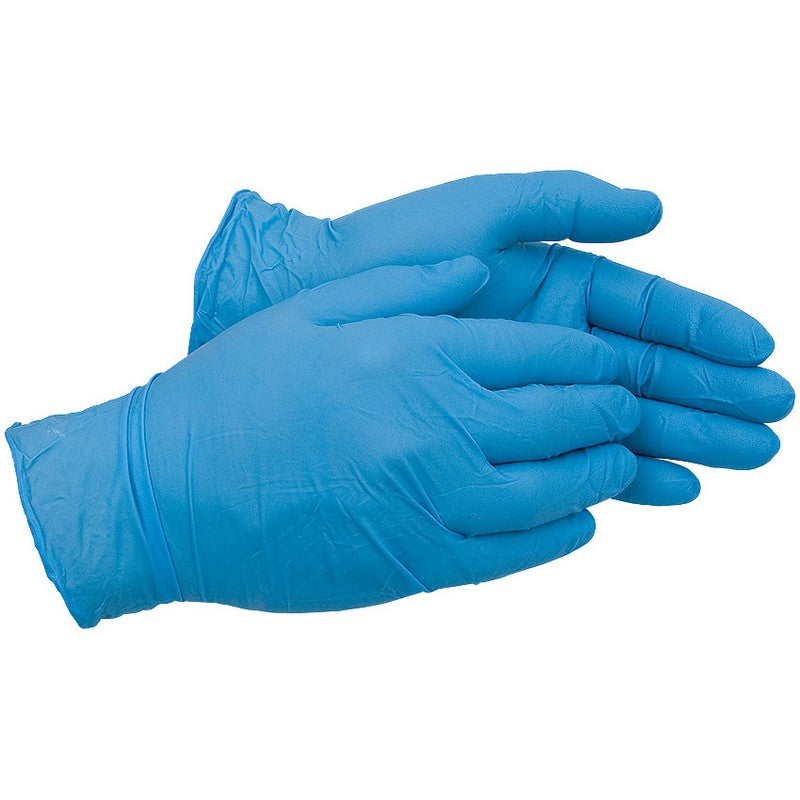
Safety / PPE & Clothing / Nitrile Gloves
-
Large - Nitrile Gloves Powder FreeRegular price From £28.84 GBPRegular priceUnit price per
-
Medium - Nitrile Gloves Powder FreeRegular price From £23.72 GBPRegular priceUnit price per


Safety / PPE & Clothing / Nitrile Gloves
Choosing the right nitrile glove is less about “one-size-fits-all” and more about matching the glove’s fit, thickness, texture, and intended use to the task at hand. Nitrile gloves are widely used for general workplace protection because nitrile offers strong puncture resistance and reliable barrier performance for many everyday applications. Powder-free nitrile gloves are also a common choice where cleanliness matters, since powder-free designs help reduce powder-related residue on hands, tools, and finished surfaces.
Nitrile Gloves: What They Are and Why Powder-Free Matters
Nitrile is a synthetic rubber material engineered to provide a consistent protective barrier. Compared with many other disposable glove materials, nitrile is often selected for its balance of durability, tactile sensitivity, and resistance to punctures and tears. Powder-free nitrile gloves are manufactured without donning powder, which can be helpful in environments where you want to minimize particulate transfer and keep work areas cleaner.
Powder-free gloves can also be a practical option for users who prefer a cleaner feel during extended wear. While powder can make gloves easier to put on, it may leave residue behind. Powder-free nitrile gloves typically rely on internal coatings or manufacturing finishes to support easier donning without powder.
Nitrile Gloves — Helpful Guide
This collection focuses on powder-free nitrile gloves in two common sizes. Use the guide below to match the glove size to your hand and the job requirements.
1) Powder-Free Nitrile Gloves (Disposable)
-
Medium - Nitrile Gloves Powder Free
Medium size is typically chosen for average hand sizes and tasks that require a secure fit for better dexterity. A properly fitted glove helps reduce fingertip slack, improving grip and control when handling small parts, tools, or packaging materials.
-
Large - Nitrile Gloves Powder Free
Large size is commonly selected for larger hands or when you want a bit more room for comfort during longer wear. A glove that is too tight can fatigue hands and increase the chance of tearing during donning; a glove that fits comfortably can help maintain consistent protection.
Common Uses for Powder-Free Nitrile Gloves
Disposable nitrile gloves are used across many industries because they provide a convenient barrier for short-duration tasks. Typical applications include:
- General facility and janitorial work: handling cleaning tools, waste, and routine maintenance tasks.
- Automotive and mechanical work: protecting hands from oils, greases, and grime while maintaining dexterity.
- Light industrial and warehouse tasks: sorting, packing, and handling items where hand protection and cleanliness are important.
- Food handling (where permitted by your procedures): reducing direct hand contact with food and surfaces; always follow local regulations and site policies.
- Lab and technical work: short tasks requiring a clean barrier and good tactile feel; always verify chemical compatibility for your specific substances.
Because tasks vary widely, it’s important to confirm that the glove you choose is appropriate for your environment, including any safety standards, site requirements, and chemical exposure risks.
Case Study: Reducing Rework in a Packing Station
A small fulfillment team noticed that smudges and fingerprints were showing up on finished products and packaging inserts during peak shifts. They also saw occasional tape adhesion issues when hands were contaminated with oils from handling equipment. By standardizing on powder-free nitrile gloves and reinforcing a simple glove-change routine (new gloves after breaks, after handling maintenance tools, and whenever gloves became visibly soiled), the team reduced visible handling marks and improved consistency at the packing bench.
The key takeaway: disposable gloves work best when paired with clear change-out habits. Even a durable glove becomes less effective when it is contaminated or damaged.
How to Choose the Correct Nitrile Gloves
Step 1: Choose the right size (fit is protection)
Fit affects both comfort and performance. Gloves that are too small can tear during donning and restrict movement. Gloves that are too large can bunch at the fingertips, reducing grip and increasing the chance of snagging. If you are between sizes, consider how you’ll use them: precision tasks often benefit from a snugger fit, while longer wear may benefit from slightly more room.
Step 2: Consider thickness and durability needs
Disposable nitrile gloves are made in a range of thicknesses. Thinner gloves generally provide better tactile sensitivity and are easier to work in for fine tasks. Thicker gloves typically offer increased durability and puncture resistance for tougher jobs. If your work involves sharp edges, rough surfaces, or frequent glove changes due to wear, a more durable glove can help reduce interruptions.
Step 3: Look at texture and grip
Grip matters when handling smooth packaging films, tools, or parts. Many nitrile gloves include textured fingertips or a textured surface to improve handling in dry or lightly wet conditions. If you frequently handle slick items, prioritize a glove that supports confident grip without requiring excessive hand force.
Step 4: Confirm chemical compatibility for your specific exposure
“Chemical resistant” is not a single universal rating. Nitrile can perform well against many common oils and solvents, but performance depends on the chemical, concentration, temperature, and exposure time. For any chemical handling, consult a chemical compatibility chart and follow your safety program requirements. If splash or immersion is possible, consider whether a disposable glove is appropriate or if a heavier reusable glove is required.
Step 5: Plan for proper change-out and disposal
Disposable gloves are designed for short-term use. Replace gloves immediately if they tear, puncture, or become heavily contaminated. Remove gloves safely to avoid skin contact with contaminants, and wash hands after glove removal. Dispose of used gloves according to your facility’s waste procedures, especially if they contacted chemicals or biohazards.
Best Practices for Wearing and Removing Disposable Gloves
- Inspect before use: check for tears, pinholes, or weak seams.
- Don with dry hands: moisture can make gloves harder to put on and may increase tearing.
- Avoid touching your face: gloves can transfer contaminants just like bare hands.
- Change gloves between tasks: especially when moving from dirty to clean work.
- Remove safely: peel from the wrist, turning the glove inside out; avoid snapping.
Storage Tips to Maintain Glove Performance
Store disposable nitrile gloves in a cool, dry place away from direct sunlight and heat sources. Excessive heat and UV exposure can degrade materials over time. Keep boxes closed when not in use to reduce dust accumulation and to help maintain a clean dispensing area.
Questions & Answers
Are powder-free nitrile gloves better for clean work areas?
Powder-free gloves can help reduce powder residue on hands, tools, and surfaces, which is useful in clean packing, light assembly, and general facility tasks. They still need regular changing, since contamination can build up on the glove exterior during use.
How do I know whether I should choose Medium or Large nitrile gloves?
Choose the size that fits snugly without restricting movement. A glove that is too tight may tear during donning and cause hand fatigue, while a glove that is too loose can reduce fingertip control and grip. When in doubt, test fit during typical tasks.
Can disposable nitrile gloves be used for chemical handling?
Nitrile can resist many common substances, but chemical performance depends on the exact chemical, concentration, temperature, and exposure time. For any chemical use, consult a compatibility chart and your safety procedures. Replace gloves immediately if swelling, softening, or breakthrough occurs.
How often should I change disposable nitrile gloves during a shift?
Change gloves whenever they tear, puncture, or become visibly soiled, and between tasks to prevent cross-contamination. Many workplaces also change gloves after breaks or when moving from dirty handling to clean handling. Frequent changes are normal for disposable gloves.
What’s the safest way to remove nitrile gloves to avoid contamination?
Pinch the outside of one glove near the wrist and peel it off inside out. Hold it in the gloved hand, then slide fingers under the wrist of the remaining glove and peel it off over the first glove. Dispose properly and wash hands afterward.