
Tapes / Specialist Tapes / Strapping Tape
-
50mmx66m - Black Polypropylene Strapping TapeRegular price £0.00 GBPRegular priceUnit price per
-
25mmx66m - Black Polypropylene Strapping TapeRegular price £0.00 GBPRegular priceUnit price per
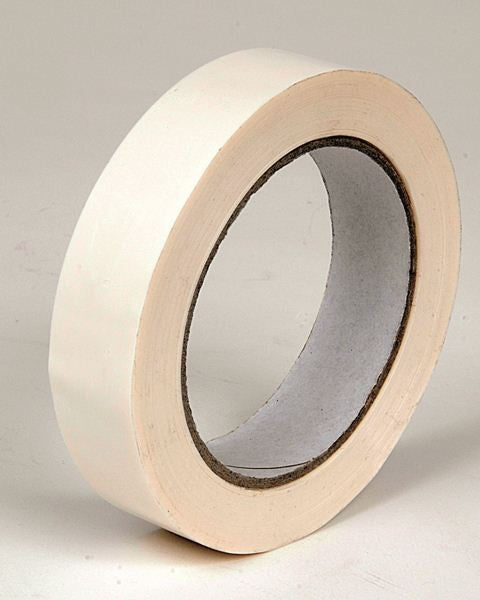
White non-stretch durable strapping tape for bundling applications. Easily removed after use without damaging your products.
- Easy to use
Tapes / Specialist Tapes / Strapping Tape
| Order Code | Colour | Size W x L | Pack Quantity |
| 01STWH25 | Black | 25mm x 66m | 36 |
| 01STWH50 | Black | 50mm x 66m | 36 |
Polypropylene Strapping Tape (Non-Stretch) — Overview
Polypropylene strapping tape (often called PP strapping tape) is a specialist bundling tape designed to hold items together firmly without stretching under load. It is commonly used to secure grouped products, keep long items aligned, and stabilise packs for handling and short-distance transit. Because it is non-stretch and durable, it helps maintain tension once applied, reducing the risk of bundles loosening during movement.
In this collection you’ll find black polypropylene strapping tape in two practical widths for everyday bundling tasks. Both options are supplied on 66m rolls and are intended for fast, consistent application where a clean, controlled hold is needed.
Polypropylene Strapping Tape — Helpful Guide
This guide explains what strapping tape is best suited for, how to choose the right width, and how to apply it for reliable results. It also lists the products available in this category with direct links for quick reference.
1) Polypropylene strapping tape (black, non-stretch)
PP strapping tape is typically chosen when you need a firm bind that resists elongation. It’s useful for bundling items that should not shift relative to each other (for example, stacked cartons, grouped packs, or long products that need to stay aligned). The black colour can also help with quick visual identification of strapped bundles in busy packing areas.
-
25mmx66m - Black Polypropylene Strapping Tape
Best for lighter bundles, smaller packs, and applications where you want a narrower band that’s easier to conform around compact items. A good choice when you need secure bundling without adding unnecessary bulk. -
50mmx66m - Black Polypropylene Strapping Tape
Best for wider contact area and improved load distribution across the bundle. Often preferred for larger or heavier bundles, or where you want extra stability and reduced risk of edge pressure on the packaged items.
Typical Uses and Where Strapping Tape Fits
Strapping tape sits between general-purpose carton sealing tapes and heavy strapping systems. It is not primarily intended to seal carton flaps; instead, it is designed to bind and reinforce. Common use cases include:
- Bundling multiple items together: keeping products grouped as a single unit for picking, packing, or internal distribution.
- Reinforcing packs: adding an external band around cartons or trays to reduce shifting and improve handling stability.
- Securing long or awkward items: holding lengths together so they don’t fan out or slide during movement.
- Temporary holds: applications where you want a strong hold that can still be removed after use without damaging the product surface when applied appropriately.
Because strapping tape is non-stretch, it is especially helpful when you need the bundle to remain tight after application. If a tape stretches significantly, tension can relax over time; non-stretch constructions help reduce that effect.
Case Study: Reducing Bundle Movement in a Busy Dispatch Area
A packing team was preparing mixed bundles for internal transfers: multiple small cartons were grouped into sets to match pick lists. The main issue was that bundles would loosen slightly after handling, causing cartons to shift and labels to become harder to scan quickly.
By switching to a non-stretch strapping tape approach and standardising the wrap method (consistent overlap and tension), the team improved bundle stability. The wider option was used for larger sets to distribute pressure, while the narrower option was reserved for compact bundles. The result was fewer reworks at the dispatch bench and more consistent bundle integrity during movement.
How to Choose the Correct Strapping Tape Width
Step 1: Consider bundle size and weight
As a general rule, larger or heavier bundles benefit from a wider tape because it spreads holding force over a larger area. This can reduce pressure points and help the tape resist edge lift on corners.
- Choose 25mm when bundles are smaller, lighter, or when you need a tighter wrap around compact items.
- Choose 50mm when bundles are larger, heavier, or when you want improved stability and load distribution.
Step 2: Think about the surface you’re strapping
Surface texture and cleanliness affect performance. Dusty, oily, or highly textured surfaces can reduce adhesion and make removal less predictable. For best results, apply to clean, dry surfaces and avoid trapping debris under the tape.
Step 3: Decide whether removability matters
If the tape will be removed after use, plan for a removal-friendly application method. Avoid excessive tension on delicate surfaces and consider leaving a small folded tab at the end of the wrap to make removal easier. Always test on a small area first when working with sensitive finishes.
Application Tips for Reliable Bundling
- Use consistent tension: pull firmly enough to stabilise the bundle, but avoid over-tensioning which can deform cartons or mark softer products.
- Overlap for strength: ensure the tape overlaps itself sufficiently so the wrap locks in place.
- Square the bundle first: align items before strapping so the tape is holding a stable shape rather than forcing items into position.
- Protect edges when needed: for sharp corners or delicate surfaces, consider adding a protective layer or edge protection so the tape doesn’t concentrate force on a single point.
- Store rolls correctly: keep tape in a clean, dry area away from heat and direct sunlight to help maintain consistent performance.
Common Mistakes (and How to Avoid Them)
- Using strapping tape as a carton-sealing tape: if the goal is to seal flaps, a dedicated carton sealing tape is usually more appropriate. Strapping tape is best used as an external reinforcement band.
- Applying to contaminated surfaces: dust and oils reduce adhesion. Wipe surfaces where practical.
- Insufficient overlap: too little overlap can cause the wrap to lift. Build in a consistent overlap zone.
- Over-tensioning: can crush cartons or leave marks. Use only the tension needed to stabilise the load.
Frequently Asked Questions
What is polypropylene strapping tape used for?
Polypropylene strapping tape is used to bundle items together and reinforce packs so they stay aligned during handling. It’s commonly applied as an external band around grouped products or cartons. Because it is non-stretch, it helps the bundle remain tight after application.
Should I choose 25mm or 50mm strapping tape?
Choose 25mm for smaller or lighter bundles where a narrower wrap is easier to apply neatly. Choose 50mm for larger or heavier bundles because the wider tape spreads holding force over a bigger area, improving stability and reducing pressure on edges.
Will strapping tape damage products when removed?
Removal depends on the surface and how the tape is applied. On clean, robust surfaces it can often be removed cleanly, but delicate finishes may mark or lift. Use moderate tension, avoid contaminated surfaces, and test on a small area first for sensitive materials.
How do I apply strapping tape so the bundle stays tight?
Align the items first, then apply the tape with consistent tension and adequate overlap so the wrap locks onto itself. Avoid stretching or twisting the tape during application. For heavier bundles, consider multiple bands or using the wider tape to improve load distribution.
Is strapping tape the same as carton sealing tape?
No. Carton sealing tape is designed to seal box flaps and maintain a closed carton. Strapping tape is designed to bind and reinforce by wrapping around items or cartons as an external band. Use strapping tape for bundling and reinforcement rather than primary sealing.