
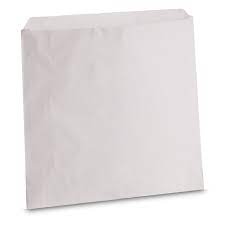
Bags / Paper Bags / White Bags - Strung
-
7x11x15 - Strung White Paper BagsRegular price From £24.05 GBPRegular priceUnit price per
-
4x6x14 - Strung White Paper BagsRegular price From £15.59 GBPRegular priceUnit price per
-
12x12 - Strung White Paper BagsRegular price From £16.38 GBPRegular priceUnit price per
-
10x12 - Strung White Paper BagsRegular price From £23.86 GBPRegular priceUnit price per
-
10x10 - Strung White Paper BagsRegular price From £22.12 GBPRegular priceUnit price per
-
8.5x11 - Strung White Paper BagsRegular price From £24.14 GBPRegular priceUnit price per
-
8.5x8.5 - Strung White Paper BagsRegular price From £17.39 GBPRegular priceUnit price per
-
7x9.5 - Strung White Paper BagsRegular price From £16.10 GBPRegular priceUnit price per
-
7x7 - Strung White Paper BagsRegular price From £13.79 GBPRegular priceUnit price per
-
6x6 - Strung White Paper BagsRegular price From £10.28 GBPRegular priceUnit price per
-
5x5 - Strung White Paper BagsRegular price From £8.06 GBPRegular priceUnit price per


Bags / Paper Bags / White Bags - Strung
| Product Code | Description |
| 01W01 | 5x5 - Strung White Paper Bags |
| 01W02 | 5x6 - Strung White Paper Bags |
| 01W07 | 7x7 - Strung White Paper Bags |
| 01W07A | 7x9.5 - Strung White Paper Bags |
| 01W08 | 8.5x8.5 - Strung White Paper Bags |
| 01W09 | 8.5x11 - Strung White Paper Bags |
| 01W10 | 10x10 - Strung White Paper Bags |
| 01W11 | 10x12 - Strung White Paper Bags |
| 01W12 | 12x12 - Strung White Paper Bags |
| 01W13 | 4x6x12 - Strung White Paper Bags |
| 01W14 | 4x6x26 - Strung White Paper Bags |
| 01W15 | 7x11x15 - Strung White Paper Bags |
| 01W13L | 4x6x14 - Strung White Paper Bags |
Strung White Paper Bags
Strung white paper bags are a practical choice when you need lightweight, clean-looking packaging that can be opened quickly and handled efficiently. “Strung” bags are typically supplied in a stack with a string or wire through the top area, helping keep bags aligned and easy to dispense one at a time. This format is commonly used anywhere speed, organization, and consistent presentation matter—such as retail counters, food service prep areas, and back-of-house packing stations.
This collection includes multiple flat and gusseted sizes, making it easier to match the bag to the product rather than forcing a one-size-fits-all solution. The result is neater packing, less wasted space, and fewer issues with items shifting during handoff or short-distance transport.
White Bags – Strung — Helpful Guide
Use the guide below to understand the main types of strung white paper bags in this category and how the listed sizes typically fit different product shapes. For quick navigation, each product name is linked to its product page.
1) Flat strung white paper bags (no side gussets)
Flat bags are best for items that are relatively thin or compressible. They store compactly and present a crisp, simple look. Choose flat bags when your product doesn’t need extra side depth.
-
5x5 - Strung White Paper Bags
Compact square bag for small, flat items such as small parts, samples, or small confectionery portions. -
5x6 - Strung White Paper Bags
Slightly taller than 5x5 for small items that need a bit more height without added bulk. -
7x7 - Strung White Paper Bags
Mid-size square option for wider items that remain relatively flat. -
7x9.5 - Strung White Paper Bags
Extra height for longer items while keeping a flat profile. -
8.5x8.5 - Strung White Paper Bags
Roomier square format for larger flat goods or bundled items. -
8.5x11 - Strung White Paper Bags
Popular “document-like” proportion for taller flat items and easy loading. -
10x10 - Strung White Paper Bags
Larger square bag for wider products that still don’t require side depth. -
10x12 - Strung White Paper Bags
Added height for larger flat items; useful when you want more coverage at the top. -
12x12 - Strung White Paper Bags
Largest flat square option in this set for oversized flat goods or multi-item bundles.
2) Gusseted strung white paper bags (with side depth)
Gusseted bags include side folds that expand to create depth. They’re better for bulkier items, irregular shapes, or products that need to sit more naturally in the bag. If you frequently struggle with tearing, awkward loading, or items “popping” the bag open, moving to a gusseted size often helps.
-
4x6x12 - Strung White Paper Bags
Gusseted format for small-to-medium items that need depth; the side gusset helps accommodate thicker products. -
4x6x26 - Strung White Paper Bags
Tall gusseted option for long items; the added height supports products that need vertical clearance. -
7x11x15 - Strung White Paper Bags
Larger gusseted bag for bulkier items or multi-item packing where side depth improves stability.
Case Study: Improving Speed and Consistency at a Busy Counter
A high-traffic counter operation often faces two recurring issues: (1) packaging slows down service during peak periods, and (2) inconsistent bag sizing leads to messy presentation and occasional product damage. By switching to strung bags, staff can pull a single bag quickly without separating loose stacks. Standardizing a small set of sizes—one compact flat size, one mid-size flat size, and one gusseted size—reduces decision time and keeps packing consistent across shifts.
In practice, teams typically keep the most-used size on the primary dispenser and a secondary size nearby for larger or bulkier orders. The result is smoother workflow, fewer re-bags, and a cleaner handoff to customers.
How to Choose the Correct Strung White Paper Bag
Step 1: Measure the product the way it will be packed
Measure width and height for flat items. For bulkier items, measure width, height, and thickness (or diameter). If you pack multiple items together, measure the combined bundle as it will sit in the bag.
Step 2: Decide whether you need a flat or gusseted bag
- Choose flat when the product is thin, flexible, or can be stacked neatly without creating a thick bundle.
- Choose gusseted when the product has thickness, irregular shape, or you want easier loading and better stability.
Step 3: Add practical clearance
Allow extra space so the product slides in without catching on the opening. Too-tight bags slow packing and increase the chance of tearing. Too-large bags can look sloppy and allow items to shift. A small amount of clearance on width and height usually improves both speed and presentation.
Step 4: Consider how the bag will be handled
- Quick handoff: A closer fit often looks cleaner and is easier to carry.
- Short transport: A gusseted bag can help keep items upright and reduce shifting.
- Grease or moisture exposure: If contents may be oily or damp, consider whether an additional liner or inner wrap is needed to protect the paper and maintain appearance.
Operational Tips for Strung Bag Dispensing
- Keep the opening accessible: Position the stack so the top bag can be opened with minimal hand movement.
- Separate by use-case: Store flat and gusseted sizes in distinct locations to reduce selection errors.
- Train for consistent loading: A simple standard—insert product, settle it to the bottom, then fold/close—helps maintain uniform presentation.
- Match bag size to the product: Right-sizing reduces waste and improves the look of the packed item.
Common Uses for White Strung Paper Bags
Because they are neutral in appearance and easy to dispense, white strung paper bags are frequently used for:
- Small retail items and parts
- Counter service packaging and quick packing workflows
- Lightweight food service items where a simple paper bag is appropriate
- Sorting, staging, and organizing items in back-of-house operations
Storage and Handling
Store paper bags in a clean, dry area away from humidity and direct contact with liquids. Keep stacks flat to prevent curling and maintain easy dispensing. If bags are used in food-adjacent environments, ensure storage areas are protected from dust and splashes to preserve cleanliness.
Questions & Answers
What does “strung” mean for paper bags?
“Strung” paper bags are supplied in a stack held together by a string or wire near the top. This keeps bags aligned and makes it easier to dispense one bag at a time, improving speed and reducing mess compared with loose stacks.
How do I know if I need a flat bag or a gusseted bag?
Choose a flat bag for thin, flexible, or neatly stacked items that don’t need side depth. Choose a gusseted bag when the product has thickness, an irregular shape, or you want easier loading and better stability during handling.
What do the three numbers mean in a size like 4x6x12?
Three-number sizes typically indicate a gusseted bag: width, gusset (depth), and height. The gusset measurement represents the expandable side depth. This format helps you select a bag that fits bulkier items more naturally than a flat bag.
Should I size up to make packing faster?
A small amount of extra clearance can speed packing and reduce tearing, but oversizing too much can look untidy and allow items to shift. Aim for a bag that loads smoothly while still holding the product securely with minimal movement.
How should paper bags be stored to prevent damage?
Store bags in a dry, clean area away from humidity, direct sunlight, and liquids. Keep stacks flat and protected from dust to prevent curling and contamination. Good storage helps maintain consistent dispensing and preserves the bag’s appearance during use.