
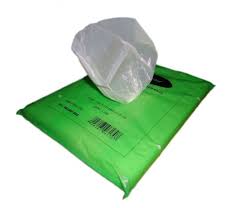
Bags / Polythene (Popular) / White H.D (Butchers) Bags
-
12x18 - 12mic White H.D BagsRegular price From £14.70 GBPRegular priceUnit price per
-
12x15 - 12mic White H.D BagsRegular price From £16.97 GBPRegular priceUnit price per
-
10x12 - 12mic White H.D BagsRegular price From £11.15 GBPRegular priceUnit price per
-
8x10 - 12mic White H.D BagsRegular price From £4.97 GBPRegular priceUnit price per
-
12x18 - 10mic White H.D Bags - PolypouchedRegular price From £12.29 GBPRegular priceUnit price per
-
12x15 - 10mic White H.D Bags - PolypouchedRegular price From £9.87 GBPRegular priceUnit price per
-
10x12 - 10mic White H.D Bags - PolypouchedRegular price From £7.24 GBPRegular priceUnit price per
-
8x10 - 10mic White H.D Bags - PolypouchedRegular price From £5.67 GBPRegular priceUnit price per
-
6x8 - 8mic White H.D BagsRegular price From £3.61 GBPRegular priceUnit price per


White HD (High-Density) bags are a popular choice for butchers and other food businesses.
Bags / Polythene (Popular) / White H.D (Butchers) Bags
| Product Code | Description |
| 04H01 | 6x8 - 8mic White H.D Bags |
| 04H10 | 12x18 - 8mic White H.D Bags |
| 04H02 | 8x10 - 10mic White H.D Bags |
| 04H03 | 10x12 - 10mic White H.D Bags |
| 04H04 | 12x15 - 10mic White H.D Bags |
| 04H05 | 12x18 - 10mic White H.D Bags |
| 04H06 | 8x10 - 11mic White H.D Bags |
| 04H07 | 10x12 - 11mic White H.D Bags |
| 04H08 | 12x15 - 11mic White H.D Bags |
| 04H09 | 12x18 - 11mic White H.D Bags |
White H.D (High-Density) Butchers Bags — Practical Overview
White high-density (H.D) polythene bags are widely used in food handling environments where a clean presentation, quick packing, and reliable moisture resistance matter. High-density polyethylene (HDPE) film is typically crisp and lightweight, making it easy to open, separate, and dispense at busy counters. These bags are commonly used for portioning and carrying fresh foods such as meat cuts, poultry, fish, deli items, and produce, as well as for general hygienic handling where a simple barrier layer is needed.
Within this collection you’ll find white H.D bags in a range of sizes and gauges (microns). The size determines what fits comfortably, while the micron rating indicates film thickness and helps you match the bag to the weight, shape, and handling demands of the product being packed.
White H.D (Butchers) Bags — Helpful Guide
1) By thickness (micron) — what it changes in day-to-day use
Micron (often written as “mic”) is a measure of film thickness. In practical terms, higher microns generally provide improved strength and puncture resistance, while lower microns are lighter and often preferred for very quick, short-duration packing tasks. HDPE film can feel firm even at lower microns because the material is naturally stiffer than low-density polythene.
-
8 micron (light-duty)
Best for lightweight items and fast counter service where the bag is used briefly and not heavily loaded. Typical uses include small portions, light produce, or items that will be placed into a secondary outer bag.
- 8x10 - 7mic White H.D Bags — compact size for small portions and quick handling.
- 6x8 - 8mic White H.D Bags — small-format bag for very light items and portioning.
- 12x18 - 8mic White H.D Bags — longer bag for larger but still light-duty packs.
-
10 micron (general-purpose)
A common choice for everyday butcher and deli packing where you want a little more robustness without moving to a heavy film. Suitable for many fresh-food portions and routine carry-out.
- 8x10 - 10mic White H.D Bags — versatile small bag for portions and prep.
- 10x12 - 10mic White H.D Bags — mid-size option for a wide range of counter items.
- 12x15 - 10mic White H.D Bags — extra room for bulkier packs and trays.
- 12x18 - 10mic White H.D Bags — longer format for larger portions and multi-item packing.
-
11 micron (added durability)
Choose 11 micron when you want improved resistance to tearing and punctures—useful for heavier portions, sharper edges, or when bags may be handled more during service and transport.
- 8x10 - 11mic White H.D Bags — compact but tougher for demanding small packs.
- 10x12 - 11mic White H.D Bags — balanced size and strength for busy counters.
- 12x15 - 11mic White H.D Bags — more capacity with extra durability.
- 12x18 - 11mic White H.D Bags — longer bag for larger packs where strength matters.
2) By bag size — quick sizing guidance
Bag dimensions are typically shown as width x length. Width affects how easily the product fits without stretching the film; length affects whether the bag can fold over or tie off comfortably. For food counters, it’s often helpful to standardise on two or three sizes so staff can pack quickly without hesitation.
- Small sizes (e.g., 6x8, 8x10) — ideal for small portions, trimmings, samples, and prep tasks where minimal excess film is preferred.
- Medium sizes (e.g., 10x12) — a flexible “default” size for many deli and butcher items.
- Larger sizes (e.g., 12x15, 12x18) — better for bulkier portions, multiple items, or when you need extra length to fold over and secure.
Case Study: Standardising Counter Bags to Reduce Waste
A busy food counter often carries multiple bag sizes and thicknesses “just in case.” Over time, this can lead to inconsistent packing, excess film usage, and staff reaching for an oversized bag to save time. A simple standardisation approach can reduce waste while keeping service fast.
Scenario: A butcher counter packs a mix of small portions (sausages, diced meat), mid-size cuts, and occasional larger orders. Staff frequently choose a larger bag than necessary to avoid re-bagging, especially during peak hours.
Approach: The counter trials a two-thickness system (general-purpose and added-durability) and three sizes (small, medium, large). Small portions use compact bags; most orders use the medium; large is reserved for bulky packs. The thicker option is used only when sharp edges or heavier loads are common.
Outcome: Staff decision-making becomes quicker, bag usage becomes more consistent, and the number of “double-bag” situations drops because the thicker option is available when needed. The result is a cleaner workflow and fewer packing interruptions.
How to Choose the Correct White H.D Butchers Bag
Step 1: Match the bag width to the product footprint
If the bag is too narrow, the film stretches and can split at the seams. If it’s too wide, you’ll use more material than necessary and the pack may look untidy. For tray-packed items, measure the widest point of the tray and allow comfortable clearance.
Step 2: Choose length based on how you close the bag
If you fold over the top, allow extra length so the fold stays secure. If you tie or twist, you’ll need additional length for a neck. Longer bags can also help keep hands away from the product during packing, improving hygiene and speed.
Step 3: Select micron by handling demands
- Light-duty (8 mic) — short carry distance, lightweight items, quick portioning.
- General-purpose (10 mic) — everyday counter use for many fresh-food portions.
- Added durability (11 mic) — heavier portions, sharper edges, or more handling.
Step 4: Consider moisture and product condition
HDPE provides a practical moisture barrier for many fresh foods. For very wet products, consider how the bag will be carried and whether a secondary outer bag or additional containment is part of your process. Always follow your site’s food safety procedures for preventing leaks and cross-contamination.
Step 5: Confirm suitability for food contact where required
“HDPE” describes the material, but food-contact suitability depends on how the bag is manufactured and specified. Where your process requires it, ensure the bags meet your internal food-contact requirements and any applicable regulations for your market.
Handling Tips for Faster, Cleaner Packing
- Dispensing: Keep bags in a consistent location and orientation so staff can open them quickly with minimal fumbling.
- Portioning: Use the smallest bag that comfortably fits the product to reduce excess film and improve presentation.
- Double-bagging: Instead of routinely double-bagging, consider stepping up one micron level for items that frequently cause tears.
- Storage: Store bags away from heat and direct sunlight to help maintain film performance and cleanliness.
Common Applications
White H.D butchers bags are commonly used across food service and retail environments for:
- Butcher counter portions and carry-out
- Deli and takeaway packing
- Produce and bakery handling
- Back-of-house prep and portion control
- General hygienic separation of items during handling
Q&A
What does “micron” mean on white H.D butcher bags?
Micron (mic) is a measure of film thickness. In general, higher microns mean a thicker bag with better tear and puncture resistance. Lower microns are lighter and often used for quick, short-duration packing of lightweight items.
How do I choose between 8, 10, and 11 micron bags?
Use 8 micron for very light items and fast counter service. Choose 10 micron for general-purpose daily packing. Step up to 11 micron when items are heavier, have sharper edges, or the bag will be handled more during service and transport.
What size bag should I use for different portions?
Start by matching the bag width to the widest part of the product or tray, then add length for folding or tying. Small sizes suit small portions and prep; medium sizes cover most counter items; larger sizes fit bulkier packs or multi-item orders.
Are white H.D bags suitable for wet or fresh foods?
HDPE bags provide a practical moisture barrier for many fresh foods and are commonly used for meat, poultry, fish, and deli items. For very wet products, consider extra length for secure closure and follow site procedures to prevent leaks and cross-contamination.
Does HDPE automatically mean the bag is food safe?
HDPE describes the material, but food-contact suitability depends on manufacturing and specification. If your process requires food-contact compliance, confirm the bags meet your internal requirements and any applicable regulations, such as food-grade resin and appropriate documentation.