
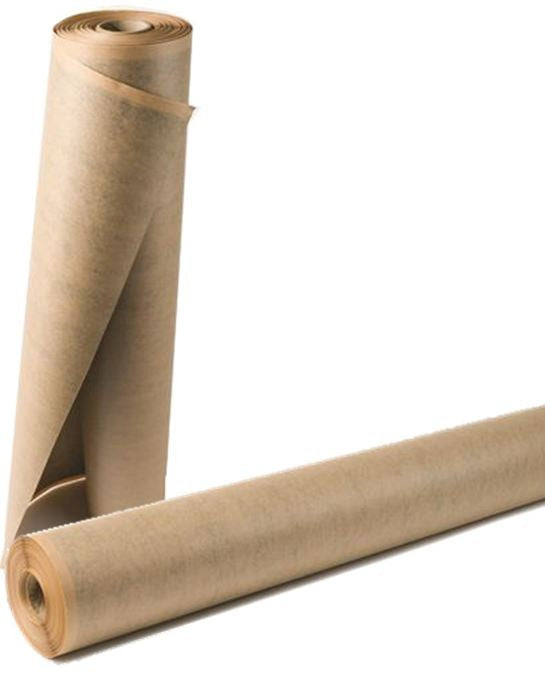
Protective / Paper & Tissue / Kraft Union
-
900mm - 120gsm Kraft UnionRegular price From £81.71 GBPRegular priceUnit price per
-
 Sold out1500mm - 120gsm Kraft UnionRegular price From £57.62 GBPRegular priceUnit price per
 -
1200mm - 120gsm Kraft UnionRegular price From £100.10 GBPRegular priceUnit price per


Protective / Paper & Tissue / Kraft Union
| Order Code | Description and size | Length (m) |
| 10U120 | Kraft union paper roll 120gsm 900mm | 100 |
| 10U90 | Kraft union paper roll 120gsm 1200mm | 100 |
Kraft union paper rolls are a practical choice when you need a tough, reliable paper layer for wrapping, interleaving, and general surface protection. Commonly used in warehouses, workshops, removals, and dispatch areas, this style of paper helps reduce scuffs and abrasion on finished goods while adding structure to packs and pallets. Because it is supplied on a roll, it is easy to dispense to length for consistent wrapping and repeatable packing processes.
Kraft Union Paper Rolls — Helpful Guide
This collection includes kraft union paper rolls in a 120gsm grade, supplied in multiple widths to suit different packing benches, product sizes, and wrapping methods. Use the guide below to match roll width and handling approach to your application.
1) Wide protective wrapping rolls (for large items and pallet coverage)
- 1500mm - 120gsm Kraft Union — A wide roll suited to covering bulky items, lining pallet tops, wrapping furniture panels, or creating broad protective layers around grouped products. The extra width can reduce seams and overlap when wrapping large surfaces.
2) General-purpose bench rolls (for cartons, interleaving, and everyday packing)
- 1200mm - 120gsm Kraft Union — A versatile width for most packing stations. Useful for wrapping medium-to-large items, creating interleaving sheets between stacked components, and lining cartons where you want a stronger paper barrier than lightweight tissue.
3) Narrower rolls (for smaller packs, edge protection, and controlled dispensing)
- 900mm - 120gsm Kraft Union — A narrower option that can be easier to handle on compact benches. Often used for wrapping smaller items, adding protective layers inside cartons, or creating strips for edge and corner coverage where full-width paper is unnecessary.
What “kraft union” paper is used for
Kraft union paper is widely used as a protective packaging paper because it balances strength, stiffness, and tear resistance. In day-to-day packing, it is commonly used for:
- Wrapping and over-wrapping: Creating an outer paper layer around products before placing them into cartons or crates.
- Interleaving: Placing sheets between stacked parts (for example, panels, boards, or flat components) to reduce rubbing and surface marking.
- Void fill and cushioning support: Scrunching or folding paper to help immobilise items in a carton (best for light-to-medium void fill where paper cushioning is appropriate).
- Carton lining: Lining the base and sides of cartons to reduce abrasion and to keep products separated from rough corrugated surfaces.
- Surface protection: Temporary protection for benches, floors, or work surfaces during assembly, finishing, or packing operations.
Understanding 120gsm: what it means in practice
Paper weight (gsm) refers to grams per square metre and is a useful indicator of thickness and robustness. A 120gsm kraft union paper is typically chosen when you need a paper that holds its shape, resists tearing during handling, and provides a more substantial protective layer than light wrapping papers. In practical terms, this grade can be easier to fold neatly, less prone to puncturing from corners, and better suited to repeated handling during packing and dispatch.
Case study: reducing scuffs on finished components during dispatch
A dispatch team shipping finished components noticed that minor scuffs were occurring where parts rubbed together inside cartons. The products were not heavy enough to justify foam or rigid separators for every shipment, but they needed a consistent, low-complexity solution. By introducing a routine of cutting kraft union paper sheets from a roll and placing them between each component (interleaving), the team reduced surface-to-surface contact and improved presentation on arrival. They also used a single outer wrap layer before boxing to help keep bundles aligned during handling.
How to choose the correct kraft union paper roll
Selecting the right roll is mainly about width, handling, and how you intend to dispense and cut the paper. Use the steps below to make a practical choice.
Step 1: Match roll width to the item’s largest face
- If you frequently wrap large faces (wide panels, furniture parts, grouped items), a wider roll can reduce overlap and speed up packing.
- If you mostly need sheets for interleaving or carton lining, a mid-width roll is often the most flexible.
- If you work at a compact bench or mainly wrap smaller items, a narrower roll can be easier to control and less wasteful.
Step 2: Decide whether you need full coverage or strategic protection
Full coverage wrapping uses more material but can provide consistent abrasion protection. Strategic protection focuses on high-risk areas such as corners, edges, and contact points. For many shipments, combining interleaving sheets with targeted edge wraps provides strong protection without excessive paper use.
Step 3: Consider your cutting method and workflow
- Hand tearing vs. cutting: Heavier papers are often cut with a safety knife or bench cutter for clean edges and repeatable sheet sizes.
- Repeatable sheet sizes: If you pack the same products daily, standardising sheet lengths can reduce packing time and improve consistency.
- Dispensing position: Mounting the roll at the bench edge or on a stand can improve ergonomics and reduce paper damage from dragging.
Step 4: Check the protection requirement
Paper is excellent for abrasion reduction and light cushioning, but it is not a moisture barrier and it will not prevent impact damage on its own. If your shipment faces high impact risk, consider combining paper wrapping with appropriate cushioning and immobilisation methods. For moisture-sensitive goods, use a suitable barrier layer in addition to paper.
Best practices for using kraft union paper in packing
- Use interleaving for stacked items: Place a sheet between each item to reduce rubbing and transfer marks.
- Protect corners and edges: Fold paper into multi-layer strips for edges before wrapping the full item.
- Avoid over-tight wrapping: Excessive tension can crease paper sharply and may imprint on delicate surfaces.
- Keep the roll clean and dry: Store rolls off the floor and away from moisture to maintain strength and appearance.
- Standardise where possible: Pre-cut common sheet sizes for faster packing and less waste.
Common applications by industry
- Furniture and joinery: Wrapping panels, interleaving finished parts, and protecting edges during transport.
- Manufacturing and engineering: Separating components, protecting machined surfaces from scuffs, and lining crates.
- Warehousing and distribution: General wrapping, carton lining, and stabilising mixed packs.
- Retail and e-commerce fulfilment: Adding a protective paper layer around items before boxing, especially where presentation matters.
- Removals and storage: Wrapping household items and protecting surfaces during moves (where paper protection is suitable).
Troubleshooting: avoiding common packing issues
Paper tearing during wrapping
If paper tears during wrapping, reduce tension, add an extra layer at corners, and ensure the product has no sharp protrusions. Cutting clean sheets rather than pulling from the roll can also reduce accidental tearing.
Scuffing still occurs
Scuffing can persist if items are moving inside the carton. Add interleaving sheets, increase immobilisation (for example, by improving void fill), and ensure the wrapped bundle is snug within the outer carton so it cannot shift during transit.
Crease marks on delicate finishes
Crease marks can occur when paper is folded tightly against soft or high-gloss finishes. Use broader folds, avoid sharp creases, and consider adding a softer interleaving layer at contact points while keeping kraft union paper as the outer protective wrap.
Questions & Answers
What is kraft union paper typically used for in packaging?
Kraft union paper is commonly used for wrapping products, lining cartons, and placing sheets between items to reduce rubbing. It provides abrasion protection and helps keep packs tidy during handling. It can also be folded or scrunched for light void fill support.
How do I choose between 900mm, 1200mm, and 1500mm roll widths?
Choose a width based on the largest surface you need to cover and how you dispense paper at your bench. Wider rolls reduce overlap for large items, mid-width rolls suit general packing and interleaving, and narrower rolls are easier to control for smaller packs.
Is 120gsm paper thick enough to protect items during shipping?
120gsm paper is generally robust for abrasion protection, interleaving, and carton lining. It helps reduce scuffs and minor surface marks, but it is not designed to absorb heavy impacts. For fragile items, combine paper with cushioning and immobilisation methods.
Can kraft union paper be used as a moisture barrier?
Standard kraft union paper is not a moisture barrier and can absorb water. If products are moisture-sensitive or shipments may face damp conditions, add an appropriate barrier layer such as a plastic liner or sealed packaging, while using paper for abrasion protection and separation.
What’s the best way to use paper rolls for interleaving stacked products?
Cut consistent sheets slightly larger than the contact area and place one sheet between each item. Focus on surfaces that rub during movement. Keep sheets flat and avoid tight creases on delicate finishes. Standardising sheet sizes can improve speed and consistency.