
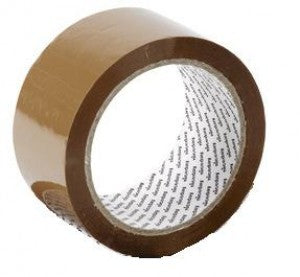
Tapes / Packing Tape (Popular) / Low Noise Silent
-
48mmx66m - White LowNoise/LN Tape - Printed 1 ColourRegular price From £55.75 GBPRegular priceUnit price per
-
48mmx66m - White LowNoise/LN DENVA TapeRegular price From £1.94 GBPRegular priceUnit price per
-
50mmx66m - Clear LowNoise/LN 'Vibac' TapeRegular price From £1.65 GBPRegular priceUnit price per
-
50mmx66m - Brown/Buff LowNoise/LN 'Vibac' TapeRegular price From £1.50 GBPRegular priceUnit price per
-
48mmx66m - Clear LowNoise/LN DENVA TapeRegular price From £26.10 GBPRegular priceUnit price per
-
48mmx66m - Brown/Buff LowNoise/LN DENVA Tape 45micRegular price From £1.29 GBPRegular priceUnit price per


Tapes / Packing Tape (Popular) / Low Noise Silent
Low Noise Packing Tape for Quieter Carton Sealing
Low noise (sometimes called “silent” or “quiet unwind”) packing tape is designed to reduce the sharp, high-pitched sound that standard carton sealing tape can make when it is pulled from a roll. This is achieved through the tape’s film construction and controlled release characteristics, helping create a calmer packing environment in offices, retail backrooms, fulfilment areas, and shared workspaces.
This collection focuses on low noise polypropylene carton sealing tapes in practical everyday sizes for hand application. The products here are primarily in the common 48–50mm width and 66m length format, offered in clear, brown/buff, and white options, including a printed 1-colour variant for simple identification or messaging.
Low Noise Silent Packing Tape — Helpful Guide
Choosing the right low noise tape is mostly about matching the tape to your cartons, storage conditions, and packing method. Below is a practical guide to the tape types in this category and the specific products available.
1) Clear low noise tape (general-purpose sealing)
Clear low noise tape is commonly used when you want the carton markings to remain visible, or when you prefer a clean, unobtrusive seal. It’s widely used for mixed SKU packing, returns processing, and general dispatch.
- 48mmx66m - Clear LowNoise/LN DENVA Tape — A standard-width, standard-length low noise clear tape for everyday carton sealing where quieter unwind is preferred.
- 50mmx66m - Clear LowNoise/LN 'Vibac' Tape — A slightly wider clear low noise option in the same 66m roll length, suited to common hand dispensers that accept 50mm tape.
2) Brown/Buff low noise tape (traditional carton sealing)
Brown/buff low noise tape is often chosen for kraft cartons and for shipments where a traditional “warehouse seal” appearance is preferred. It can also help visually hide scuffs, dust, or handling marks compared with clear tape.
- 48mmx66m - Brown/Buff LowNoise/LN DENVA Tape 45mic — A brown/buff low noise tape with a stated 45 micron film thickness, useful when you want a more robust feel while keeping unwind noise down.
- 50mmx66m - Brown/Buff LowNoise/LN 'Vibac' Tape — A 50mm-wide brown/buff low noise tape for standard carton sealing and compatibility with many 50mm dispensers.
3) White low noise tape (high visibility and labeling support)
White low noise tape is helpful when you want a high-contrast seal that stands out on cartons, or when you want to write notes directly on the tape (for example, simple pick/pack checks). It can also support basic colour-coding workflows.
- 48mmx66m - White LowNoise/LN DENVA Tape — A white low noise tape in a common 48mm width for clear visibility on cartons.
- 48mmx66m - White LowNoise/LN Tape - Printed 1 Colour — A white low noise tape with 1-colour printing, useful for straightforward identification, handling notes, or process cues.
What “Low Noise” Means in Practice
Standard packing tape can produce a loud “rip” sound as the film releases from the roll. Low noise tape is engineered to reduce that sound during unwind. In practical terms, this can help when:
- Multiple people are packing in close proximity.
- Packing is done early/late in the day in shared buildings.
- You want to reduce distraction in customer-facing or office-adjacent areas.
- You are sealing many cartons per shift and want a less fatiguing environment.
Noise reduction does not mean the tape is “weak.” The right low noise tape can still provide reliable carton closure when matched to the carton board, dust levels, and storage temperature.
Key Specifications Explained (Width, Length, and Microns)
Width: 48mm vs 50mm
Both widths are common for carton sealing. A 50mm tape provides slightly more coverage across the seam, which can be helpful on heavier cartons or when the top flaps are slightly uneven. A 48mm tape is also widely used and can be a good fit for many standard dispensers and packing benches.
Length: 66m rolls
66m is a practical roll length for hand application—long enough to reduce changeovers, while still being easy to handle. If you are sealing a high volume of cartons, consider how often operators change rolls and whether your dispensers are set up for quick replacement.
Film thickness (microns)
Micron (µm) thickness is one indicator of film robustness. A thicker film can feel stronger and may resist tearing during application, especially if cartons have rough edges or if operators apply tape quickly. However, overall performance also depends on adhesive formulation and carton surface conditions.
Case Study: Reducing Packing Area Noise Without Changing the Process
A small fulfilment team packing in a shared building noticed that the noise from standard carton tape was disruptive during peak periods. They did not want to change carton sizes, dispensers, or sealing method—only reduce the unwind noise. By switching to low noise tape in the same roll format (48–50mm x 66m), they maintained the same packing workflow while noticeably lowering the sharp unwind sound. The team also found it easier to communicate at the packing benches and reduced the need for repeated instructions during busy periods.
The key takeaway: when the tape format stays consistent, you can often improve the working environment without retraining staff or changing equipment.
How to Choose the Correct Low Noise Packing Tape
1) Match tape colour to your workflow
- Clear: best when you want carton print, labels, or markings to remain visible.
- Brown/Buff: suits kraft cartons and traditional sealing appearance; can visually blend with carton board.
- White: high visibility; useful for writing notes or simple colour-coding.
2) Consider carton weight and seam condition
Heavier cartons, recycled board, or cartons with dusty surfaces can be more demanding. If your cartons are heavy or the seam is under tension, consider a more robust film option (for example, where thickness is specified) and ensure the tape is applied with firm pressure along the full seam.
3) Check your dispenser compatibility
Most hand dispensers are designed around 48–50mm widths and standard core sizes. If you use multiple dispenser types across a site, standardising on one width can simplify replenishment and reduce operator frustration.
4) Apply correctly for best adhesion
- Apply tape to a clean, dry surface where possible.
- Use consistent tension and avoid stretching the tape excessively.
- Press down firmly along the seam, especially at the start and end of the strip.
- For cartons stored in cooler areas, allow cartons and tape to acclimatise where practical before sealing.
Common Packing Issues and Practical Fixes
Tape lifting at the edges
This can happen if cartons are dusty, if the tape is applied with insufficient pressure, or if the carton surface is textured. Wipe dust from the seam, apply with firmer pressure, and ensure the tape overlaps the seam evenly on both sides.
Tape snapping during application
Snapping can be caused by sharp carton edges, overly aggressive dispenser blades, or excessive tension. Check the dispenser blade condition, reduce pull tension, and ensure the tape path is smooth. A slightly wider tape can also help cover uneven seams.
Seal failure in cold conditions
Cold cartons and cold tape can reduce initial tack. Where possible, store tape at room temperature and seal cartons in a warmer area before moving them to cold storage. Apply firm pressure and consider longer tape overlap on the seam.
Storage and Handling Tips
- Store rolls in a clean, dry area away from direct sunlight.
- Avoid leaving tape exposed to dust, which can transfer to the adhesive edge during use.
- Keep dispensers clean so the tape feeds smoothly and consistently.
- Rotate stock so older rolls are used first, especially in environments with temperature swings.
Safety and Ergonomics for Hand Taping
Even with low noise tape, safe application matters. Use a dispenser with a guarded blade where possible, keep wrists neutral, and position cartons at a comfortable height. If operators seal many cartons per day, consider bench layout and reach distances to reduce repetitive strain.
Q&A
What makes low noise packing tape quieter than standard tape?
Low noise tape is engineered so the film releases from the roll more smoothly, reducing the vibration and rapid separation that create the sharp “rip” sound. The quieter unwind comes from the tape’s film construction and controlled release characteristics during dispensing.
Is low noise tape suitable for heavy cartons?
It can be, provided the tape specification matches the carton weight and surface. For heavier cartons, focus on consistent application, adequate overlap, and firm pressure along the seam. A more robust film thickness can also help resist tearing during fast application.
Should I choose 48mm or 50mm wide tape?
Both are common for carton sealing. 50mm provides slightly more coverage across the seam, which can help on uneven flaps or heavier packs. 48mm is widely used and often fits standard dispensers well. Choose based on dispenser fit and carton needs.
Why does tape sometimes lift or peel after sealing?
Lifting is often caused by dust, moisture, textured carton surfaces, or low application pressure. Ensure the seam is clean and dry, apply the tape without overstretching, and press firmly along the full length. Cold conditions can also reduce initial tack.
How should low noise packing tape be stored to maintain performance?
Store rolls in a clean, dry area away from direct sunlight and large temperature swings. Keep tape protected from dust and rotate stock so older rolls are used first. If sealing in cold areas, keep tape at room temperature before use when possible.