
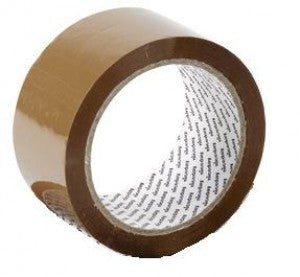
Tapes / Packing Tape (Popular) / Polypropylene (Popular)
-
48mmx66m - Clear P/P DENVA TapeRegular price From £21.84 GBPRegular priceUnit price per
-
50mmx50yd - Clear P/P TapeRegular price £0.00 GBPRegular priceUnit price per
-
12mmx66m - Clear P/P TapeRegular price £0.00 GBPRegular priceUnit price per
-
50mmx50yd - Brown/Buff P/P TapeRegular price £0.00 GBPRegular priceUnit price per
-
48mmx990m - Clear P/P Tape - Hot MeltRegular price From £19.48 GBPRegular priceUnit price per
-
48mmx990m - Clear P/P Tape - AcrylicRegular price From £19.48 GBPRegular priceUnit price per
-
75mmx66m - Clear P/P TapeRegular price From £0.95 GBPRegular priceUnit price per
-
72mmx66m - Brown/Buff P/P TapeRegular price From £1.24 GBPRegular priceUnit price per
-
48mmx66m - White Solvent Tape - Printed 2 ColoursRegular price From £2.49 GBPRegular priceUnit price per
-
48mmx66m - White P/P TapeRegular price From £0.83 GBPRegular priceUnit price per
-
48mmx66m - Brown/Buff P/P Tape - Easy TearRegular price £0.00 GBPRegular priceUnit price per
-
48mmx66m - Clear P/P Tape - SolventRegular price £0.00 GBPRegular priceUnit price per
-
48mmx66m - Brown/Buff P/P DENVA Tape 45micRegular price From £47.19 GBPRegular priceUnit price per
-
38mmx66m - Brown/Buff P/P TapeRegular price From £0.67 GBPRegular priceUnit price per
-
24mmx66 - Clear P/P Tape 45micRegular price From £0.45 GBPRegular priceUnit price per
-
25mmx66m - Brown/Buff P/P TapeRegular price From £0.45 GBPRegular priceUnit price per
-
19mmx66m - Clear P/P TapeRegular price From £0.72 GBPRegular priceUnit price per
-
48mmx990m - Clear P/P Tape - SolventRegular price From £10.26 GBPRegular priceUnit price per
-
48mmx990m - Brown/Buff Hot Melt P/P TapeRegular price From £12.29 GBPRegular priceUnit price per


Tapes / Packing Tape (Popular) / Polypropylene (Popular)
| Product Code | Description |
| 13C12C | 12mmx66m - Clear P/P Tape |
| 13C25C | 25mmx66 - Clear P/P Tape 45mic |
| 13C25B | 25mmx66m - Buff P/P Tape |
| 13C38B | 38mmx66m - Buff P/P Tape |
| 13C48B | 48mmx66m - Buff P/P DENVA Tape 45mic |
| 13C48C | 48mmx66m - Clear P/P DENVA Tape |
| 13C48W | 48mmx66m - White P/P Tape |
| 13C48CS | 48mmx66m - Clear P/P Tape - Solvent |
| 13C75C | 75mmx66m - Clear P/P Tape |
| 13C75B | 72mmx66m - Buff P/P Tape |
| 13B990C | 48mmx990m - Clear P/P Tape - Solvent |
| 13B990B | 48mmx990m - Buff P/P Tape |
Polypropylene (P/P) Packing Tape for Carton Sealing
Polypropylene packing tape (often called P/P or BOPP tape) is one of the most widely used carton-sealing tapes for day-to-day dispatch, warehousing, and general packaging. It combines a strong, tear-resistant film backing with a pressure-sensitive adhesive designed to bond to corrugated cardboard and many common packaging surfaces. This category focuses on popular P/P tape sizes used for sealing cartons, bundling items, and reinforcing packages in transit.
On this page you’ll find clear, buff, and white polypropylene tapes in practical widths (from narrow 12mm for light bundling up to 75mm for wide seals), standard 66m roll lengths for hand application, and long-length 990m rolls suited to higher-throughput packing environments. Some options are listed with solvent adhesive and/or a 45 micron film thickness, which are common specifications for reliable carton sealing.
Polypropylene Packing Tape — Helpful Guide
Choosing the right packing tape is mainly about matching width, film thickness, adhesive type, and roll length to your cartons, handling conditions, and packing speed. Use the guide below to understand the tape types in this collection and how the listed products fit typical packing tasks.
1) Narrow-width P/P tape (light bundling, bag sealing, small packs)
-
12mmx66m - Clear P/P Tape
Useful for light bundling, temporary holds, and small-pack sealing where a full carton-seal width is unnecessary. -
25mmx66 - Clear P/P Tape 45mic
A narrow clear tape with a specified 45 micron film, often chosen when you want a more robust feel than very light tapes while keeping a slim width. -
25mmx66m - Buff P/P Tape
Buff (tan) tape in a narrow width for general bundling and small carton work where a discreet, carton-matching color is preferred.
2) Standard carton-sealing widths (most shipping cartons)
-
38mmx66m - Buff P/P Tape
A practical mid-width option for smaller cartons or where you want a seal wider than 25mm without moving to 48mm. -
48mmx66m - Clear P/P DENVA Tape
48mm is a common standard for carton sealing. Clear film helps keep labels, markings, or printed cartons visible. -
48mmx66m - Buff P/P DENVA Tape 45mic
A standard-width buff tape with a 45 micron film specification, typically selected for dependable everyday sealing on a wide range of cartons. -
48mmx66m - White P/P Tape
White tape is often used where a high-contrast seal is helpful for identification, marking, or presentation. -
48mmx66m - Clear P/P Tape - Solvent
Solvent adhesive is commonly chosen for strong adhesion and performance on more challenging cartons (for example, recycled board, dusty surfaces, or cooler conditions).
3) Wide P/P tape (reinforcement, heavy cartons, wide seams)
-
75mmx66m - Clear P/P Tape
Wider tape can help cover larger seams, reinforce heavy cartons, or reduce the number of strips needed on wide flaps. -
72mmx66m - Buff P/P Tape
A wide buff tape option for strong, carton-matching seals and reinforcement on larger boxes.
4) Long-length rolls (higher throughput, fewer roll changes)
-
48mmx990m - Clear P/P Tape - Solvent
A long-length clear roll designed to reduce changeovers. Solvent adhesive is often selected for demanding sealing conditions. -
48mmx990m - Buff P/P Tape
Long-length buff tape for sustained packing runs where minimizing downtime from roll changes matters.
Understanding Key Tape Specifications
Film type: Polypropylene (P/P)
Polypropylene film is valued for its balance of strength, clarity (for clear tapes), and resistance to tearing during application. In carton sealing, the film provides the mechanical strength while the adhesive provides the bond to the carton surface. P/P tape is commonly used with hand dispensers and in many packing workflows.
Thickness (microns) and what it means in practice
Tape thickness is often stated in microns (µm). As a simple reference, 45 microns = 0.045 mm. In general, thicker films tend to feel stronger and can be more resistant to splitting during application, while thinner films can be easier to tear by hand but may be less robust on heavy cartons or rough handling routes.
Thickness alone does not determine performance—adhesive type, carton quality, storage temperature, and application pressure all matter. However, when you see a tape specified at 45 microns, it is commonly positioned as a dependable general-purpose thickness for carton sealing.
Adhesive types (including solvent)
Pressure-sensitive packing tapes are typically offered with different adhesive systems. The right choice depends on carton surface, temperature, and how long the carton will be stored before shipping.
- Solvent adhesive: Often chosen for strong adhesion and reliable performance on more difficult surfaces (such as recycled corrugated board) and in cooler or variable environments. It can also cope better where cartons may have light dust or handling contamination.
- Other common systems (not necessarily shown on every line item): acrylic and hot-melt adhesives are also widely used in packaging. Acrylic is often selected for aging/UV stability and long-term storage; hot-melt is often selected for fast “grab” in high-speed packing.
Width selection: 12mm to 75mm
Width affects both seal coverage and efficiency:
- 12–25mm: light bundling, small packs, narrow seams, or temporary holds.
- 38–48mm: the most common range for sealing standard shipping cartons.
- 72–75mm: wide seams, reinforcement, heavier cartons, or when you want fewer strips per carton.
Roll length: 66m vs 990m
Roll length influences how often you need to change rolls:
- 66m rolls: common for hand dispensers and general packing benches; easy to handle and store.
- 990m rolls: designed for longer runs and fewer changeovers; often used where packing volume is high and consistency matters.
Case Study: Reducing Carton Seal Failures in a Busy Dispatch Area
A dispatch team shipping mixed-weight cartons noticed occasional seal lifting on recycled cartons during colder mornings. The packing process was consistent, but cartons were stored near a loading bay where temperatures fluctuated. The team reviewed three factors: carton dust, application pressure, and adhesive choice.
- Surface prep: cartons were brushed quickly to remove loose dust from the top seam.
- Application method: operators were trained to apply firm, even pressure along the full tape length, especially at the leading and trailing edges.
- Tape selection: a solvent-adhesive polypropylene tape was introduced for the cartons most prone to lifting, while standard P/P tape remained in use for easier cartons.
After these changes, the team saw fewer re-tapes and less time spent on inspection. The key takeaway is that tape performance is a system: carton quality, environment, and application technique can be as important as the tape itself.
How to Choose the Correct Polypropylene Packing Tape
Step 1: Identify your carton and load
Start with the carton board quality and the weight of the packed contents. Heavier cartons and weaker board generally benefit from wider tape and/or a more robust specification. If cartons are double-walled or heavily loaded, consider moving from narrow widths to 48mm or wider, and use reinforcement strips where needed.
Step 2: Consider the environment (temperature, dust, storage time)
- Cool or variable temperatures: solvent adhesive options are often selected for more reliable bonding in challenging conditions.
- Dusty handling areas: improve surface cleanliness and apply firm pressure; adhesive choice can also help.
- Long storage before shipping: ensure the adhesive system suits the storage duration and conditions; consistent application pressure helps prevent edge lift.
Step 3: Choose the right width for the seam
For most cartons, 48mm provides good coverage of the center seam. For small cartons or inner packs, 25–38mm may be sufficient. For large cartons, wide seams, or reinforcement, 72–75mm can reduce the number of strips required.
Step 4: Decide on clear, buff, or white
- Clear: keeps printed cartons, barcodes, and labels visible; useful when you want to see the surface beneath the tape.
- Buff: blends with standard brown cartons and is commonly used in shipping rooms.
- White: provides contrast for identification or presentation and can make seals easier to spot during checks.
Step 5: Match roll length to packing volume
If you are changing rolls frequently, long-length rolls can reduce interruptions. For lower-volume packing benches, standard 66m rolls are often easier to manage and store.
Application Tips for Stronger Seals
- Use consistent tension: avoid stretching the tape excessively, which can cause shrink-back and edge lift.
- Press down firmly: apply pressure along the full length to wet-out the adhesive onto the carton surface.
- Seal beyond the seam: extend tape past the edge of the flap where practical to reduce peel points.
- Reinforce heavy cartons: consider an “H-seal” pattern (center seam plus both edge seams) for heavier loads.
- Store tape correctly: keep rolls clean and dry; avoid prolonged exposure to heat sources or direct sunlight that can affect unwind and adhesive behavior.
Common Mistakes to Avoid
- Applying tape to damp or frosty cartons: moisture can reduce adhesion; allow cartons to acclimatize where possible.
- Using too narrow a tape for the job: narrow widths may not provide enough coverage on standard carton seams.
- Under-pressing the tape: insufficient pressure can leave micro-gaps that lead to lifting.
- Ignoring carton quality: highly recycled or dusty board may require better surface prep and/or a different adhesive choice.
Questions & Answers
What does “P/P” mean on packing tape?
P/P refers to polypropylene, the plastic film used as the tape backing. Polypropylene film is commonly used for carton sealing because it is strong for its thickness, resists tearing during application, and can be made clear or colored for different packaging needs.
What does 45 micron tape thickness indicate?
Micron (µm) is a thickness unit; 45 microns equals 0.045 mm. In practical terms, a 45 micron polypropylene tape is often considered a dependable general-purpose option for sealing cartons, offering a balance of strength and easy handling.
When should I choose solvent adhesive packing tape?
Solvent adhesive tapes are commonly chosen when cartons are difficult to bond to, such as recycled corrugated board, or when conditions are cooler, dusty, or variable. They typically provide strong adhesion and can help reduce edge lift in demanding dispatch environments.
Is 48mm tape always the best width for cartons?
48mm is a common standard for sealing many shipping cartons, but it is not always required. Smaller cartons or inner packs may seal well with 25–38mm tape, while larger cartons or reinforcement needs may benefit from wider 72–75mm tape.
What is the advantage of 990m long-length rolls compared with 66m rolls?
Long-length rolls reduce how often operators need to change rolls, which can improve efficiency in higher-volume packing areas. Standard 66m rolls are easier to handle for general bench packing, while 990m rolls are typically used for longer, uninterrupted runs.