
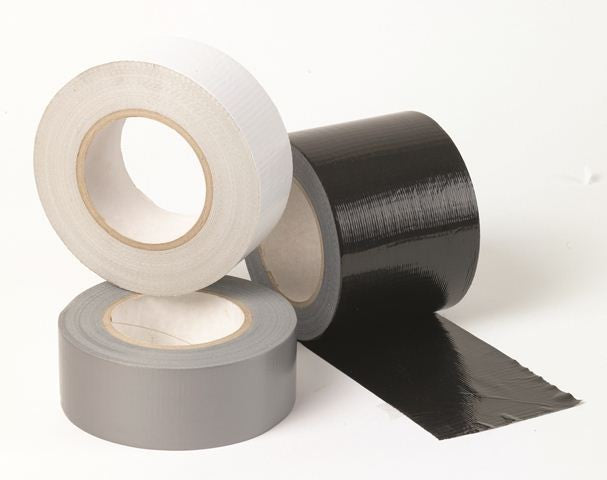
Tapes / Specialist Tapes / Waterproof Cloth
-
75mmx50m - White Waterproof Cloth TapeRegular price From £4.97 GBPRegular priceUnit price per
-
75mmx50m - Silver Waterproof Cloth TapeRegular price From £4.72 GBPRegular priceUnit price per
-
75mmx50m - Black Waterproof Cloth TapeRegular price From £4.97 GBPRegular priceUnit price per
-
68mmx45m - Silver Waterproof Cloth TapeRegular price From £2.49 GBPRegular priceUnit price per
-
50mmx50m - White Waterproof Cloth TapeRegular price From £3.68 GBPRegular priceUnit price per
-
50mmx50m - Silver Waterproof Cloth TapeRegular price From £4.00 GBPRegular priceUnit price per
-
50mmx50m - Blue Waterproof Cloth TapeRegular price From £2.49 GBPRegular priceUnit price per
-
50mmx50m - Black Waterproof Cloth TapeRegular price From £4.84 GBPRegular priceUnit price per
-
50mmx30m - Black Waterproof Cloth TapeRegular price From £2.49 GBPRegular priceUnit price per
-
25mmx50m - White Waterproof Cloth TapeRegular price £0.00 GBPRegular priceUnit price per
-
25mmx50m - Silver Waterproof Cloth TapeRegular price £0.00 GBPRegular priceUnit price per
-
25mmx50m - Black Waterproof Cloth TapeRegular price £0.00 GBPRegular priceUnit price per
-
19mmx50m - Black Waterproof Cloth TapeRegular price £0.00 GBPRegular priceUnit price per


Manufactured from a layer of cloth and film laminated together to give it strength. Coated with a generous layer of adhesive and can be torn easily across its width.
Tapes / Specialist Tapes / Waterproof Cloth
| Order Code | Size W x L | Colour | Pack Quantity |
| 13W25B | 25mm x 50m | Black | 48 |
| 13W25W | 25mm x 50m | White | 48 |
| 13W25S | 25mm x 50m | Silver | 48 |
| 13W50B | 50mm x 50m | Black | 24 |
| 13W50W | 50mm x 50m | White | 24 |
| 13W50S | 50mm x 50m | Silver | 24 |
| 13W75B | 75mm x 50m | Black | 16 |
| 13W75W | 75mm x 50m | White | 16 |
| 13W75S | 75mm x 50m | Silver | 16 |
Waterproof Cloth Tape (Laminated Cloth & Film) — Practical Overview
Waterproof cloth tape is a tough, general-purpose specialist tape made from a woven cloth scrim combined with a protective film layer. This laminated construction is designed to deliver a balance of strength, flexibility, and moisture resistance. A key practical benefit is that it can be torn by hand across its width, helping users work quickly without scissors or knives in many day-to-day tasks.
Within this collection you’ll find waterproof cloth tape supplied in common trade-friendly roll formats and colours, suitable for bundling, temporary repairs, sealing, holding, and protection where a robust, conformable tape is needed.
Waterproof Cloth Tape — Helpful Guide
This category focuses on one specialist tape type: waterproof cloth tape (often used similarly to duct-style cloth tapes). Below is a simple guide to the options available and how to match them to typical tasks.
1) Choose the width (coverage vs. control)
-
13W25B — 25mm x 50m (Black). A narrower width that offers more control for smaller repairs, cable bundling, edge protection, and neat finishing where you don’t want excess tape overlap.
-
13W25W — 25mm x 50m (White). Useful where a lighter colour is preferred for visibility, marking, or a cleaner appearance on pale surfaces while keeping the same hand-tear convenience.
-
13W25S — 25mm x 50m (Silver). A versatile colour often chosen for general maintenance tasks and temporary repairs where a neutral finish is desired.
-
13W50B — 50mm x 50m (Black). A wider tape for faster coverage on larger areas, stronger bundling, and broader sealing/holding tasks where you want more surface contact.
-
13W50W — 50mm x 50m (White). Wider coverage with a high-visibility finish, often helpful for temporary protection, patching, or where you want the tape to stand out for inspection.
-
13W50S — 50mm x 50m (Silver). A common “all-round” choice for maintenance and facilities work where quick application and broad coverage are priorities.
2) Choose the colour (visibility, contrast, and finish)
Colour selection is often practical rather than cosmetic:
Black can help hide scuffs and marks and is frequently used for general repairs, bundling, and protection.
White can improve visibility and can look cleaner on light-coloured surfaces; it may also help highlight contamination or dirt during checks.
Silver is a neutral, widely used finish for general-purpose maintenance tasks.
3) Understand what “waterproof” means in practice
The laminated film layer helps resist moisture and splashes, making this tape useful in damp environments and for short-term outdoor tasks. However, “waterproof” does not automatically mean it is intended for permanent submersion, long-term UV exposure, or structural repairs. For critical applications, test on a small area first and confirm suitability for the environment.
Typical Uses and Where Waterproof Cloth Tape Fits Best
Because it combines a cloth reinforcement with a film backing, waterproof cloth tape is commonly chosen when you need a tape that:
Conforms around corners, irregular shapes, and textured surfaces better than many smooth plastic tapes.
Resists tearing during use yet can still be torn by hand across the width for speed.
Provides quick holding power for temporary fixes, securing, and bundling.
Offers moisture resistance for damp areas, short-term outdoor exposure, and splash-prone tasks.
Common application examples
Bundling and securing: grouping cables, hoses, or lightweight components for transport or storage.
Temporary repairs: quick patching of covers, sheeting, or protective wraps where a flexible, tough tape is needed.
Edge protection: reinforcing edges on protective materials to reduce fraying and tearing.
General maintenance: holding items in place during servicing, marking temporary fixes, or securing protective padding.
Case Study: Reducing Downtime During On-Site Maintenance
A facilities team performing routine maintenance often needs a tape that can be applied quickly, conforms to uneven surfaces, and holds reliably in damp service areas. In one typical scenario, the team needed to temporarily secure protective sheeting and bundle loose cables while equipment was inspected. A waterproof cloth tape format helped because it could be torn by hand to length, applied rapidly without tools, and provided a tough, moisture-resistant layer that stayed in place during the shift. After the work was completed, the temporary tape applications were removed and replaced with permanent fixings where required.
This kind of use highlights where waterproof cloth tape performs well: short-term securing, protection, and quick fixes that prioritise speed and practicality.
How to Choose the Correct Waterproof Cloth Tape
Step 1: Match width to the job
Choose 25mm when you need precision, tighter wraps, or minimal overlap (e.g., cable bundling, small patches, neat edge reinforcement).
Choose 50mm when you need faster coverage, broader sealing/holding, or stronger surface contact (e.g., larger patches, securing protective materials, general maintenance).
Step 2: Consider the surface and environment
Adhesion depends heavily on the surface condition. For best results:
Apply to clean, dry, dust-free surfaces where possible.
On rough or porous materials, expect higher tape usage and consider using wider tape for better contact.
In cold conditions, allow the tape and surface to warm if possible; many pressure-sensitive adhesives bond better at moderate temperatures.
Step 3: Decide whether you need removability or long-term hold
Cloth tapes are often used for temporary tasks, but dwell time matters: the longer a tape remains in place, the more likely it is to leave residue or become harder to remove. If clean removal is critical, test first and remove as soon as practical.
Step 4: Plan for neat application
Use firm pressure along the full length to improve contact and reduce edge lift.
Round off corners (tear or trim) on patches to reduce snagging and peeling.
Avoid stretching the tape during application; stretched tape can shrink back and lift at the edges.
Handling, Storage, and Safety Notes
Storage: keep rolls in a cool, dry place away from direct sunlight to help maintain adhesive performance.
Surface compatibility: some painted, coated, or delicate surfaces may be prone to marking or residue; test on an inconspicuous area.
Removal: peel back slowly at a low angle. If residue remains, use an appropriate cleaner for the surface type and follow safety guidance.
Frequently Asked Questions
What is waterproof cloth tape made from?
Waterproof cloth tape is typically made from a woven cloth reinforcement (scrim) combined with a thin film layer laminated on top. This construction improves strength and conformability while the film helps resist moisture. A pressure-sensitive adhesive layer provides bonding to many surfaces.
Can waterproof cloth tape be torn by hand?
Many waterproof cloth tapes are designed to be torn by hand across the width, which speeds up application for bundling and quick repairs. Tearability can vary with thickness and temperature, so for very clean edges or cold conditions, a cutting tool may still help.
Is waterproof cloth tape suitable for outdoor use?
It can be suitable for short-term outdoor tasks because the laminated film helps resist moisture. Long-term outdoor exposure depends on factors like sunlight, temperature swings, and surface type. For critical or extended outdoor applications, test first and inspect periodically for edge lift.
How do I choose between 25mm and 50mm wide rolls?
Choose 25mm when you need more control, tighter wraps, or minimal overlap on smaller items. Choose 50mm when you want faster coverage, broader patches, or stronger holding through increased surface contact. The best width depends on the size of the area and the required coverage.
Will waterproof cloth tape leave residue when removed?
Residue risk depends on the surface, how long the tape is left in place, and environmental conditions. Longer dwell times and heat can increase residue. To reduce risk, apply to clean surfaces, avoid unnecessary pressure on delicate finishes, and remove slowly at a low angle.