
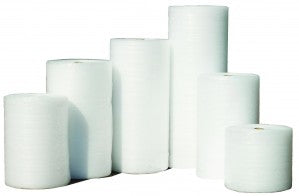
Protective / Bubble Wrap / Bubble Wrap - Small (10mm)
-
600x75 - Airsafe 10 Small Bubble WrapRegular price From £15.38 GBPRegular priceUnit price per
-
500x100 - Airsafe 10 **Small Bubble WrapRegular price From £11.62 GBPRegular priceUnit price per
-
400x100 - Airsafe 10 **Small Bubble WrapRegular price From £9.06 GBPRegular priceUnit price per
-
300x50 - Airsafe 10 Small Bubble WrapRegular price From £2.80 GBPRegular priceUnit price per
-
750x100 - Airsafe 10 Small Bubble WrapRegular price From £18.78 GBPRegular priceUnit price per
-
600x100 - Airsafe 10 Small Bubble WrapRegular price From £18.86 GBPRegular priceUnit price per
-
500x100 - Airsafe 10 Small Bubble WrapRegular price From £15.35 GBPRegular priceUnit price per
-
300x75 - Small Bubble WrapRegular price From £5.87 GBPRegular priceUnit price per
-
300x100 - Airsafe 10 Small Bubble WrapRegular price From £12.97 GBPRegular priceUnit price per
-
2,100x100 - Airsafe 10 **Small Bubble WrapRegular price From £66.62 GBPRegular priceUnit price per
-
2,000x100 - Airsafe 10 Small Bubble WrapRegular price From £35.67 GBPRegular priceUnit price per
-
1,200x100 - Airsafe 10 Small Bubble WrapRegular price From £39.34 GBPRegular priceUnit price per
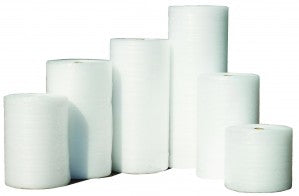
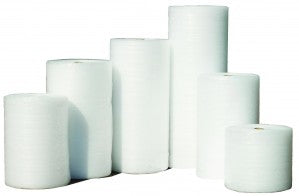
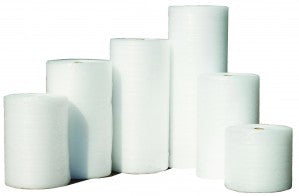
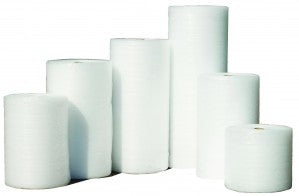
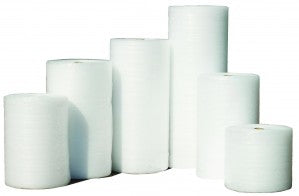
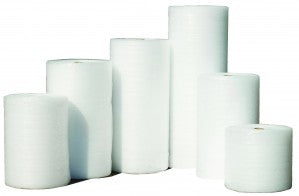
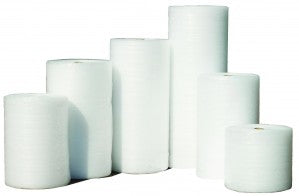
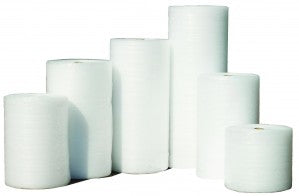
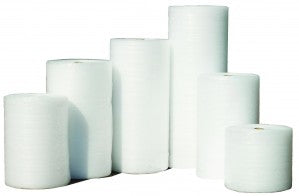
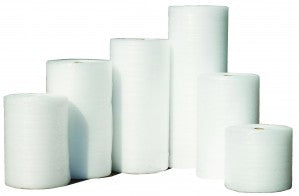
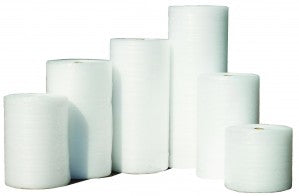
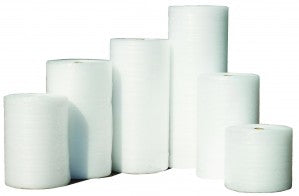
Protective / Bubble Wrap / Bubble Wrap - Small (10mm)
| Product Code | Description |
| 14S30 | 300x100 - Airsafe 10 Small Bubble Wrap |
| 14S50 | 500x100 - Airsafe 10 Small Bubble Wrap |
| 14S60 | 600x100 - Airsafe 10 Small Bubble Wrap |
| 14S75 | 750x100 - Airsafe 10 Small Bubble Wrap |
| 14S90 | 900x100 - Airsafe 10 Small Bubble Wrap |
| 14S100 | 1,000x100 - Airsafe 10 Small Bubble Wrap |
| 14S120 | 1,200x100 - Airsafe 10 Small Bubble Wrap |
| 14S150 | 1,500x100 - Airsafe 10 Small Bubble Wrap |
| 14S210 | 2,100x100 - Airsafe 10 Small Bubble Wrap |
| 14SH30 | 300x50 - Airsafe 10 Small Bubble Wrap |
| 14SP150 | 1,500x100 - Airsafe 10 **Small Bubble Wrap |
Small Bubble Wrap (10mm) for Protective Packaging
Small bubble wrap (10mm bubble) is a versatile cushioning material designed to protect items from knocks, vibration, and surface abrasion during storage, handling, and transit. The small bubble profile conforms closely to product shapes, making it especially useful for wrapping smaller or more detailed items where you want consistent coverage without excessive bulk.
This collection contains small-bubble rolls in multiple widths and roll lengths shown in the product table on this page (including 100m rolls across a wide range of widths). Choosing the right width helps you pack faster, reduce overlap, and minimise material waste.
Bubble Wrap - Small (10mm) — Helpful Guide
What’s in this category
This category focuses on 10mm small bubble wrap rolls (small bubble cushioning). The products listed on this page are primarily differentiated by roll width and roll length, allowing you to match the material to your packing bench, carton sizes, and the items you ship.
Types of protective packaging covered here
- Small bubble cushioning (10mm) — close-fitting bubbles for wrapping, interleaving, and surface protection on small-to-medium items.
- Wide-format small bubble — broader rolls for faster wrapping of larger cartons, flat items, or bundling multiple products together.
- Narrow-format small bubble — slimmer rolls for small parcels, components, and reducing excess overlap.
Products on this page (by common use)
Use the internal links below to jump to the exact roll size already listed in this collection.
-
300x100 - Airsafe 10 Small Bubble Wrap
Compact width for small parcels, parts, and tight wrapping with minimal waste. -
300x50 - Airsafe 10 Small Bubble Wrap
Shorter roll length option when you need the same narrow width but lower volume. -
500x100 - Airsafe 10 Small Bubble Wrap
General-purpose width for mixed packing lines and everyday ecommerce orders. -
600x100 - Airsafe 10 Small Bubble Wrap
Versatile mid-width roll for wrapping boxed goods and creating quick cushioning layers. -
750x100 - Airsafe 10 Small Bubble Wrap
Faster coverage for medium cartons, frames, and bundling multiple items. -
900x100 - Airsafe 10 Small Bubble Wrap
Wider roll for larger packs where fewer wraps and overlaps improve speed. -
1,000x100 - Airsafe 10 Small Bubble Wrap
Broad coverage for wide cartons and quicker wrapping of larger items. -
1,200x100 - Airsafe 10 Small Bubble Wrap
Useful for larger flat items and wide cartons where you want fewer seams. -
1,500x100 - Airsafe 10 Small Bubble Wrap
High-coverage roll for bulky items, broad surfaces, and efficient packing workflows. -
1,500x100 - Airsafe 10 Small Bubble Wrap
Same wide format for fast wrapping and broad protective coverage (see product page for exact specification). -
2,100x100 - Airsafe 10 Small Bubble Wrap
Extra-wide roll for oversized items, large cartons, and sheet-style coverage.
Case Study: Reducing Damage on Small Fragile Shipments
A small fulfilment team shipping mixed fragile items (such as small homewares and boxed accessories) was seeing scuffs and occasional corner damage in transit. The issue wasn’t only impact; it was also movement inside the carton and surface abrasion when items rubbed against each other.
They standardised their process around small bubble wrap (10mm) as a primary wrap, then focused on three improvements:
- Right-sizing the wrap width — narrow rolls for small parcels reduced excess overlap and improved consistency.
- Layering intentionally — two to three snug layers around fragile items provided better cushioning than one loose layer.
- Controlling void space — wrapped items were packed to prevent shifting, reducing repeated impacts during handling.
The result was fewer cosmetic marks and a noticeable reduction in damage-related rework, while packing speed improved because the team used widths matched to their most common carton sizes.
How to Choose the Correct Small Bubble Wrap
1) Choose bubble size based on the type of protection you need
10mm small bubble is typically selected when you want a close-fitting wrap that protects surfaces and provides light-to-moderate cushioning. Small bubbles conform well to corners and detailed shapes, making them suitable for many everyday packing tasks where you don’t want excessive bulk.
2) Choose roll width to reduce overlap and waste
Roll width is one of the biggest drivers of packing efficiency. A practical rule is to choose a width that wraps the item with minimal overlap while still allowing you to cover edges and corners. Wider rolls can speed up packing for larger items, while narrower rolls help avoid unnecessary material use on small parcels.
- 300mm — best for small items, components, and narrow cartons.
- 500–600mm — versatile widths for mixed packing benches and general-purpose wrapping.
- 750–1000mm — faster wrapping for medium cartons, frames, and bundled items.
- 1200–2100mm — wide coverage for large cartons, flat items, and oversized packs.
3) Choose roll length based on throughput
This collection includes long rolls (such as 100m) for regular packing and a shorter roll option (50m) for lower-volume use or where storage space is limited. If you pack daily, longer rolls reduce changeovers; if you pack occasionally, shorter rolls can be easier to handle and store.
4) Decide how many layers you need
Bubble wrap performance depends on how it’s applied. For more fragile items, use multiple snug layers and pay attention to corners and edges. For surface protection (preventing scuffs), one to two layers may be sufficient, especially when the item is already boxed.
5) Prevent movement inside the carton
Even well-wrapped items can be damaged if they move around. After wrapping, ensure the packed carton is filled so the contents are stable. The goal is to reduce repeated impacts and abrasion during handling and transport.
Best Practices for Packing with 10mm Bubble Wrap
Wrap direction and overlap
Wrap so the bubble wrap overlaps consistently and covers vulnerable points. Keep the wrap snug (not stretched tight) so the bubbles retain their cushioning. For long items, consider spiralling the wrap to maintain even coverage.
Protect corners and edges
Corners and edges are common damage points. Add an extra turn of bubble wrap at corners, or fold the wrap to create a thicker pad before taping. This is especially helpful for framed items, boxed electronics, and products with sharp edges.
Interleaving and separation
Small bubble wrap is useful as an interleaving layer between items to prevent rubbing and scuffing. When packing multiple items in one carton, separate them with bubble wrap layers so they don’t contact each other directly.
Taping and sealing
Use tape to secure the wrap so it doesn’t unwind during packing. Apply tape to the wrap (not directly to delicate product surfaces). If you’re wrapping items with sensitive finishes, ensure the tape never touches the product.
Common Applications for Small Bubble Wrap (10mm)
- Ecommerce fulfilment — wrapping boxed goods, cosmetics, accessories, and small homewares.
- Warehouse packing — cushioning and stabilising items inside cartons to reduce movement.
- Storage and removals — protecting surfaces from scratches and dust during handling.
- Manufacturing and distribution — separating components and protecting finishes during internal transport.
Troubleshooting: When Bubble Wrap Isn’t Enough
Problem: Items still arrive damaged
- Check carton strength and size — an oversized carton increases movement and impact risk.
- Add layers strategically — reinforce corners and edges, not just flat faces.
- Reduce void space — stabilise the item so it cannot shift.
Problem: Too much material waste
- Switch to a narrower width for small parcels to reduce overlap.
- Standardise carton sizes so you can match a roll width to your most common packs.
- Train for consistent wrapping — uneven overlap often causes unnecessary usage.
Problem: Packing is slow
- Use wider rolls for larger items to reduce the number of passes.
- Pre-cut lengths for common SKUs to speed up repetitive packing tasks.
- Organise the bench so bubble wrap, tape, and cartons are within easy reach.
Q&A
What does “10mm small bubble” mean, and when should I use it?
“10mm small bubble” refers to the approximate bubble diameter. Small bubbles conform closely to product shapes, making them suitable for surface protection and light-to-moderate cushioning. It’s commonly used for smaller fragile items, boxed goods, and separating items to prevent scuffs.
How do I choose the best roll width for my items?
Pick a width that wraps the item with minimal overlap while still covering edges and corners. Narrow widths reduce waste on small parcels, while wider rolls speed up wrapping for larger cartons. Matching width to your most common carton sizes improves consistency and efficiency.
How many layers of small bubble wrap should I use?
Use one to two snug layers for basic surface protection or already-boxed items. For fragile products, add more layers and reinforce corners and edges. The goal is to keep bubbles intact and create a stable cushion without leaving the wrap loose.
Is bubble wrap enough on its own to prevent transit damage?
Bubble wrap helps cushion impacts and prevent abrasion, but damage can still occur if the item moves inside the carton or the box is too weak. Combine proper wrapping with a correctly sized, strong carton and ensure the contents are packed tightly to prevent shifting.
Why do my wrapped items still get scuffed or marked?
Scuffing often happens when items rub against each other or against the carton during movement. Use bubble wrap as an interleaving layer between items, secure the wrap so it doesn’t unwind, and fill void space so the packed contents remain stable throughout handling.