
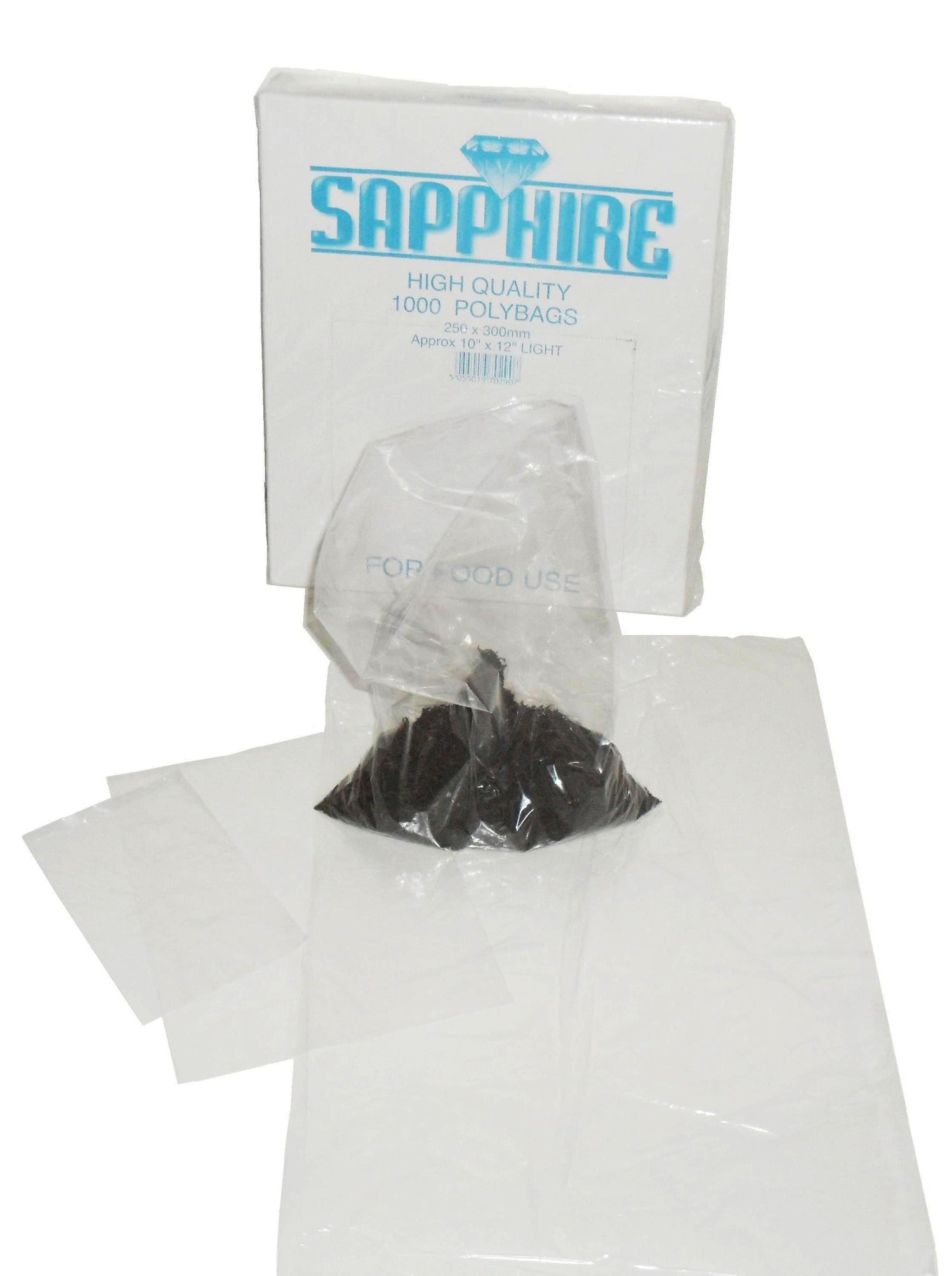
Bags / Polythene (Popular) / 500G (127mu)
-
24x36 - 500g Clear Poly Bags (610x914mm - 127mu)Regular price From £65.11 GBPRegular priceUnit price per
-
20x30 - 500g Clear Poly Bags (508x762mm - 127mu)Regular price From £49.89 GBPRegular priceUnit price per
-
18x24 - 500g Clear Poly Bags (457x610mm - 127mu)Regular price From £69.74 GBPRegular priceUnit price per
-
15x20 - 500g Clear Poly Bags (381x508mm - 127mu)Regular price From £24.19 GBPRegular priceUnit price per
-
10x12 - 500g Clear Poly Bags (254x305mm - 127mu)Regular price From £23.14 GBPRegular priceUnit price per
-
7x9 - 500g Clear Poly Bags (178x229mm - 127mu)Regular price From £26.52 GBPRegular priceUnit price per
-
6x8 - 500g Clear Poly Bags (152x203mm - 127mu)Regular price From £19.48 GBPRegular priceUnit price per
-
8x10 - 500g Clear Poly Bags (203x254mm - 127mu)Regular price From £29.99 GBPRegular priceUnit price per
-
12x18 - 500g Clear Poly Bags (305x457mm - 127mu)Regular price From £46.23 GBPRegular priceUnit price per
-
36x48 - 500g Clear Poly Bags (914x1219mm - 127mu)Regular price From £127.30 GBPRegular priceUnit price per
-
12x15 - 500g Clear Poly Bags (305x381mm - 127mu)Regular price From £38.06 GBPRegular priceUnit price per
-
9x12 - 500g Clear Poly Bags (229x305mm - 127mu)Regular price From £47.07 GBPRegular priceUnit price per
-
30x50 - 500g Clear Poly Bags (762x1270mm - 127mu)Regular price From £42.42 GBPRegular priceUnit price per
-
4x16 - 500g Clear Poly Bags (102x406mm - 127mu) - Paper WrappedRegular price From £19.48 GBPRegular priceUnit price per
-
4x6 - 500g Clear Poly Bags (102x152mm - 127mu)Regular price From £18.53 GBPRegular priceUnit price per
-
32.5x60 - 500g Clear Poly Bags 30% Recycled (826x1524mm - 127mu) - Paper WrappedRegular price From £1.70 GBPRegular priceUnit price per
-
31x54 - 500g Clear Poly Bags (787x1372mm - 127mu) - Paper WrappedRegular price From £28.19 GBPRegular priceUnit price per
-
24x39x70 (620/970x1750) - 500g Blue Opaque Gussetted B/W Poly BagsRegular price From £45.58 GBPRegular priceUnit price per
-
34x60x38 (864x1524x965mm) - 125mic (500G) Clear Poly BagsRegular price From £87.81 GBPRegular priceUnit price per
-
80x72 - 500g Clear Poly Bags-on-a-roll (2032x1829mm - 127mu)Regular price From £125.33 GBPRegular priceUnit price per
-
72x68 - 500g Clear Poly Bags (1829x1727mm - 127mu)Regular price From £69.09 GBPRegular priceUnit price per
-
30x53x100 - 500g Clear Poly Bags - Paper WrappedRegular price From £74.17 GBPRegular priceUnit price per
-
27x44x76 - 500g Clear Poly BagsRegular price From £91.84 GBPRegular priceUnit price per
-
27x44x62 - 500g Clear Poly Bags - 30% RecyRegular price From £2.37 GBPRegular priceUnit price per
-
43x30 - 500g Clear Poly Bags (1092x762mm - 127mu) - Paper WrappedRegular price From £55.81 GBPRegular priceUnit price per
-
36x63 - 500g Clear Poly Bags (914x1600mm - 127mu)Regular price From £26.98 GBPRegular priceUnit price per
-
36x60 - 500g Clear Poly Bags (914x1524mm - 127mu)Regular price From £44.41 GBPRegular priceUnit price per
-
36½x37 - 500g Clear Poly Bags (927x940mm - 127mu) - Paper WrappedRegular price From £51.19 GBPRegular priceUnit price per
-
31x60 - 500g Clear Poly Bags (787x1524mm - 127mu) - 30% RecyRegular price From £1.62 GBPRegular priceUnit price per
-
31x48 - 500g Clear Poly Bags (787x1219mm - 127mu)Regular price From £56.66 GBPRegular priceUnit price per
-
30x60 - 500g Clear Poly Bags (762x1524mm - 127mu)Regular price From £37.39 GBPRegular priceUnit price per
-
30x48 - 500g Clear Poly Bags (762x1219mm - 127mu)Regular price From £42.42 GBPRegular priceUnit price per
-
30x40 - 500g Clear Poly Bags (762x1016mm - 127mu) 30% Recy - Paper WrappedRegular price From £45.74 GBPRegular priceUnit price per
-
24x48 - 500g Clear Poly Bags (610x1219mm - 127mu)Regular price From £34.33 GBPRegular priceUnit price per
-
20x40 - 500g Clear Poly Bags (508x1016mm - 127mu)Regular price From £42.42 GBPRegular priceUnit price per
-
20x20 - 500g Clear Poly Bags (508x508mm - 127mu) - Paper WrappedRegular price From £31.60 GBPRegular priceUnit price per


Bags / Polythene (Popular) / 500G (127mu)
* Many of our poly bags are suitable for food use, however there may be exceptions and if you specifically require this then it is best to get specific confirmation of this.
Clear Polythene Bags (500 Gauge / 127 Micron) — Overview
This collection groups clear polythene bags made from heavier film commonly described as 500 gauge, which is equivalent to 127 micron thickness. This thickness is typically chosen when you need a clearer presentation than paper or opaque sacks, while also needing a more robust bag for handling, storage, and protection.
These bags are widely used for packing and protecting items such as parts, textiles, printed materials, boxed goods, and general stock where visibility helps with identification and picking. Thickness is only one part of performance; the correct size, seal method, and storage conditions also matter.
Clear Polythene Bags (500 Gauge / 127 Micron) — Helpful Guide
When selecting a clear poly bag, start with three basics: size (width × length), film thickness (here: 127 micron / 500 gauge), and closure method (open-ended, heat seal, tape, ties, etc.). A 127 micron bag is often selected where a lighter bag may crease or puncture too easily during packing or transit.
What “500 gauge / 127 micron” means
- Micron (µm) is a metric unit of thickness. 127 micron equals 0.127 mm.
- Gauge is an older thickness notation used for plastic film. In this category, 500 gauge corresponds to 127 micron.
- As a rule of thumb, higher micron/gauge generally means a thicker, stronger bag (though strength also depends on polymer type and manufacturing).
Types of packaging in this category
This collection focuses on clear, open-ended polythene bags in multiple sizes, all at the same thickness (127 micron). The main “types” to consider here are therefore best understood by bag size and typical use-case:
Small format clear poly bags (for parts, samples, small goods)
-
6x8 - 500g Clear Poly Bags (152x203mm - 127mu)
Compact size for small components, fasteners, craft items, and sample packs where a thicker film helps resist tearing during handling. -
7x9 - 500g Clear Poly Bags (178x229mm - 127mu)
Useful for slightly bulkier items such as folded leaflets, small boxed goods, or grouped parts that need visibility and protection from dust. -
8x10 - 500g Clear Poly Bags (203x254mm - 127mu)
A versatile size for small retail back-of-house packing, kitting, and storage where you want a neat fit without excessive spare film. -
10x12 - 500g Clear Poly Bags (254x305mm - 127mu)
Common for folded garments, manuals, and medium-small items; the heavier film can help reduce punctures from corners and edges.
Medium format clear poly bags (for folded textiles, documents, boxed items)
-
12x18 - 500g Clear Poly Bags (305x457mm - 127mu)
Suitable for larger documents, flat-packed items, or folded clothing; provides a balance of capacity and manageable handling. -
15x20 - 500g Clear Poly Bags (381x508mm - 127mu)
Often used for thicker folded textiles, grouped products, or larger kits where you still want a clear view of contents.
Large format clear poly bags (for bulky items, liners, protection during storage)
-
18x24 - 500g Clear Poly Bags (457x610mm - 127mu)
Good for larger folded items, protective over-bagging, and keeping stock clean in storage areas. -
20x30 - 500g Clear Poly Bags (508x762mm - 127mu)
Useful for bulkier goods and grouped packs; the thicker film helps when bags are moved repeatedly or stacked. -
24x36 - 500g Clear Poly Bags (610x914mm - 127mu)
Large protective bag for oversized items, larger textile folds, or as a dust cover for stored goods. -
36x48 - 500g Clear Poly Bags (914x1219mm - 127mu)
Extra-large format for very bulky items, large protective covers, or industrial storage applications where visibility is still helpful.
Food-use note (important)
Some polythene bags are suitable for food contact, but suitability depends on the specific material specification and intended use. If you require food-contact compliance for your application, confirm the exact suitability before use (especially for fatty foods, hot-fill, or long-term contact).
Case Study: Reducing Picking Errors in a Stockroom
A small parts distributor stored similar-looking components in opaque outer packaging. Staff frequently opened packs to confirm contents, increasing handling time and the risk of mixing items. Switching to clear bags at a heavier thickness helped in two ways: contents were visible at a glance, and the thicker film reduced splits when bins were moved and restocked. The result was fewer repacks, less dust ingress, and faster order picking.
How to Choose the Correct Bag Size and Thickness
1) Measure the product correctly
- Width: measure the widest point of the item (or bundle) and add clearance for easy insertion.
- Length: measure the longest dimension and add extra length if you plan to fold over the top or heat seal.
- Bulk: for thicker items, allow additional width/length so the bag is not under tension at seams.
2) Decide how the bag will be closed
- Open-ended for quick packing: suitable when items are stored in cartons or not exposed to dust.
- Fold-over and tape/tie: adds basic closure without specialist equipment.
- Heat sealing: creates a more secure closure and can improve tamper evidence; ensure you have enough extra length for a consistent seal area.
3) Match thickness to handling conditions
- Choose heavier film when items have sharp corners, when bags are handled repeatedly, or when packs are stacked and moved.
- For lighter-duty storage where bags are rarely moved, a thinner film may be adequate; for this collection, the focus is on the more robust 127 micron option.
4) Consider clarity and presentation
Clear bags support quick identification, barcode scanning, and visual checks without opening the pack. This can be helpful for quality control, kitting, and dispatch workflows where speed and accuracy matter.
Handling, Storage, and Practical Tips
- Avoid overfilling: tension at the opening and seams increases the chance of tearing.
- Protect against puncture: for sharp items, consider adding an inner wrap or corner protection before bagging.
- Keep film clean: dust and debris can affect sealing performance and clarity.
- Store correctly: keep bags away from excessive heat and direct sunlight to help maintain film performance over time.
- Plan for sealing: if heat sealing, test seal temperature and dwell time on a sample to achieve a consistent weld without distortion.
Common Applications
- Warehousing and logistics: grouping items into kits, protecting labels, and keeping stock clean.
- Manufacturing: parts protection between process steps and during internal transport.
- Print and stationery: protecting documents, manuals, and inserts from moisture and scuffing.
- Textiles: keeping folded garments and fabric components clean while allowing quick identification.
- General storage: dust covers and protective over-bagging for items stored long-term.
Questions & Answers
What does 500 gauge mean in polythene bags?
Gauge is a traditional way to describe plastic film thickness. In this category, 500 gauge corresponds to 127 micron (0.127 mm). Thicker film generally offers better puncture resistance and durability, though performance also depends on the material and how the bag is used.
How do I choose the right bag size for my product?
Measure the widest and longest points of the item (or bundle), then add clearance for easy insertion. If you plan to fold over the top or heat seal, add extra length for the closure area. For bulky items, allow additional space to avoid stressing seams.
Are clear polythene bags suitable for food?
Some polythene bags can be suitable for food contact, but it depends on the specific material specification and intended use. If food-contact compliance is required, confirm suitability before use—especially for fatty foods, hot items, or long contact times where requirements can be stricter.
Can these bags be heat sealed?
Many plain polythene bags can be heat sealed, provided the film type is compatible with your sealer. Leave enough extra length to create a consistent seal band, and test temperature and dwell time on samples. A good seal should be uniform without excessive melting or distortion.
What causes polythene bags to split or tear during use?
Splits are commonly caused by overfilling, sharp edges, or repeated handling that stresses the opening and seams. Punctures can occur when items shift in transit. Choosing adequate thickness, adding corner protection for sharp items, and avoiding tension at the top can reduce failures.