

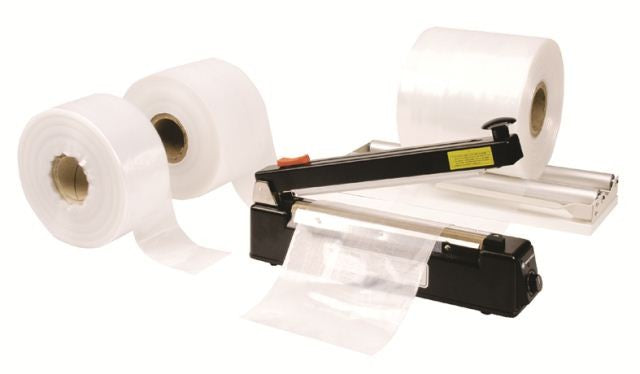
500G Lay Flat Tubing (LFT)
Overview
Lay flat tubing (LFT) is a continuous tube of polythene supplied on a roll, designed to be cut to length and sealed to create custom-sized bags as you pack. This 500g (127mu) lay flat tubing is a popular choice when you need a strong, flexible film for protecting products from dust, handling marks and light moisture during storage, picking and dispatch. The roll format makes it ideal for variable-length items and for operations that want to reduce the number of pre-made bag sizes held in stock.
Because it is supplied as tubing rather than individual bags, you can create packaging that closely matches your product length—helping to reduce excess material and improve presentation. Lay flat tubing is widely used with heat sealers and bag sealers in warehouses, workshops and production environments where speed and consistency matter.
Key Features
- 500g (127mu) film thickness: A heavier-gauge polythene designed for improved durability and puncture resistance compared with lighter films.
- Lay flat tubing format: Continuous tubing on a roll lets you cut to the exact length you need and seal both ends to form a bag.
- Custom bag lengths on demand: Ideal for products that vary in length or where you want a snug fit without holding multiple bag sizes.
- Efficient packing workflow: Works well with bench heat sealers and packing stations for repeatable, tidy seals.
- Protective polythene barrier: Helps keep items clean and protected from dust and scuffs during handling and storage.
- Versatile for many industries: Commonly used for parts, components, printed materials, textiles, and general goods.
Typical Uses
- Creating custom-length bags for long or awkward items
- Protecting products during storage, picking and dispatch
- Bundling multiple items together into one sealed pack
- Workshop and warehouse packing where product lengths vary
- General-purpose protective wrapping and bag-making
500g Lay Flat Tubing — Full Product Guide
Introduction
Lay flat tubing is one of the most flexible packaging formats available: instead of choosing from a fixed set of bag sizes, you create the bag as you pack. This is especially useful when your products are consistent in width but vary in length, or when you want to minimise wasted film and keep your packaging neat and professional.
How It Works
Lay flat tubing is supplied as a flattened tube wound onto a roll. To make a bag, you typically:
- Pull out the required length of tubing
- Seal across the tubing to create the first closed end
- Cut the tubing (if needed) to separate the bag length
- Insert the product
- Seal the open end to complete the pack
This simple process allows you to produce consistent, sealed packs with minimal setup. Many packing teams standardise the workflow by marking common lengths at the packing bench or using a simple measuring guide.
Materials and Construction
This product is polythene lay flat tubing in a heavier 500g (127mu) gauge. Polythene film is valued for its flexibility, clarity (where applicable), and general resistance to tearing under normal handling. The tubing construction means there is no side seam to split in the way some bag formats can under stress; instead, you create the bag length and seals to suit your application.
Choosing the Right Width and Fit
Lay flat tubing is specified by its lay-flat width (the width of the flattened tube). When opened, the tubing forms a circumference approximately twice the lay-flat width. For best results, choose a width that comfortably accommodates the widest part of your product, allowing a little extra room for easy insertion and for the seal area.
If you are packing items with sharp corners or edges, consider allowing additional clearance and ensure the film gauge is appropriate for the handling conditions.
Film Thickness (Gauge) and Performance
The 500g (127mu) thickness is selected when you need a more robust film. In practical terms, a thicker film can help with:
- Improved puncture resistance for parts and components
- Better durability during internal handling and transit preparation
- More confidence when sealing heavier or more rigid items
As with any packaging film, performance depends on the product shape, weight distribution, and how the pack is handled. If your items have particularly sharp edges, additional protective measures (such as corner protectors or inner wraps) may be beneficial.
Sealing Guidance (Heat Sealing)
Lay flat tubing is commonly used with heat sealers. For consistent seals:
- Keep the seal area clean and free from dust or product debris
- Use a flat, even seal across the full width
- Allow the seal to cool briefly before applying tension
- Test and adjust sealer time/temperature to suit the film gauge
Different sealers and working environments can affect results, so it’s good practice to run a short trial when you first set up a new roll or change film thickness.
Floor Type Compatibility
Lay flat tubing is suitable for a wide range of packing environments—from small packing benches to busy warehouse dispatch areas. It can be used in:
- Manual packing stations with bench sealers
- Goods-in and kitting areas
- Production lines where items are bagged before boxing
For smoother workflow, store rolls on a dispenser or spindle so the tubing feeds cleanly and stays protected from dirt.
Health and Safety
As with all plastic packaging, keep film away from children and avoid placing it over the head or face due to suffocation risk. In a workplace setting:
- Use heat sealers according to the manufacturer’s instructions
- Take care around hot sealing elements to prevent burns
- Keep the work area tidy to reduce trip hazards from loose film
Ideal Applications and Use Cases
This 500g lay flat tubing is a strong all-round option for creating protective packs. It is commonly chosen for:
- Engineering and industrial parts: Bagging components, fixings, and assemblies where durability matters.
- Retail and eCommerce fulfilment: Creating neat, sealed inner packs before placing items into outer cartons or mailers.
- Printed materials and stationery: Protecting documents, manuals, and sets from handling marks.
- Textiles and soft goods: Keeping items clean and presentable in storage.
- Bundling and kitting: Grouping multiple items into one sealed unit for easier picking.
Maintenance, Cleaning and Care
Lay flat tubing itself requires minimal maintenance, but good storage and handling will help maintain film quality:
- Store rolls in a clean, dry area away from direct heat sources
- Keep rolls on a dispenser to prevent crushing or edge damage
- Avoid dragging film across dirty surfaces before sealing
- Rotate stock so older rolls are used first
Case Study (Typical Workflow Example)
Scenario: A small assembly operation packs mixed-length components for internal distribution and customer orders. Pre-made bags either waste material (too long) or require holding many sizes.
Approach: The team installs a simple roll dispenser and a bench heat sealer at the packing station. Operators pull the tubing to the required length, seal and cut, insert the component, then seal the top.
Outcome: Packaging becomes more consistent, stockholding of multiple bag sizes is reduced, and the team can quickly adapt to new product lengths without changing packaging formats.
Who Is It For?
- Warehouses and fulfilment teams needing flexible, on-demand bag lengths
- Workshops and manufacturers packing parts and assemblies
- Businesses looking to reduce the number of bag SKUs they stock
- Operations that want a robust polythene film for everyday packing
Colours / Features Available
This listing is for lay flat tubing in the specified gauge and width options shown on the product page. If you require a different film type, thickness, or special features, choose the closest option available or contact the team for guidance.
Sizes Available
Lay flat tubing is supplied on a roll and is cut to length as required. Select the width and roll option that best suits your product range. If you need help choosing the correct width for your application, consider the widest point of the item and allow clearance for easy insertion and sealing.