

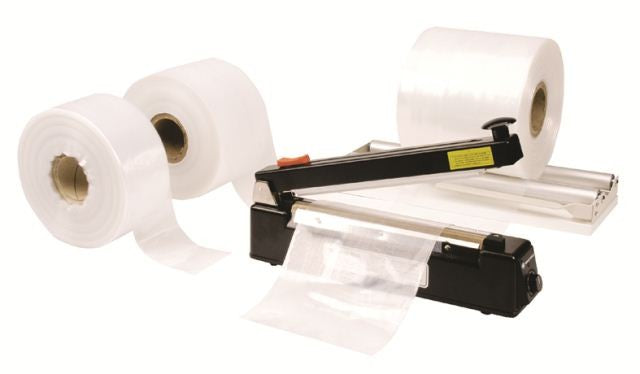
500G Lay Flat Tubing (LFT)
Lay Flat Tubing (LFT) — 6" (152mm) Wide, Heavy-Duty Polythene on a Roll
Lay flat tubing (often shortened to LFT) is a continuous tube of polythene supplied flattened on a roll. It’s designed for fast, flexible packaging where you want to create bags or sleeves to the exact length you need—simply pull off the required amount, cut, insert the product, then seal. This product is a heavy-duty lay flat tubing option in a 6" (152mm) layflat width, supplied on a roll, and commonly used for protecting parts, components, and products during storage, handling, and transit.
Because lay flat tubing is a continuous tube, it’s ideal when you’re packing items of varying lengths or when you want to minimise waste compared with pre-made bags. It also helps streamline packing operations: one roll can cover many pack sizes, and you can produce consistent, professional-looking packs with a heat sealer.
Key Features (At a Glance)
- Continuous tubing format — cut to length to create custom bags and sleeves on demand.
- Heavy-duty thickness — robust polythene designed for demanding packing tasks and improved puncture resistance.
- 6" (152mm) layflat width — a practical width for many narrow-to-medium products and components.
- Compatible with heat sealing — create sealed packs quickly using suitable sealing equipment.
- Efficient stockholding — one roll can replace multiple bag sizes, reducing SKU count and storage space.
- Protective barrier — helps shield goods from dust, dirt, and handling marks during storage and distribution.
Typical Uses
- Creating custom-length protective sleeves for parts, profiles, and components
- Packaging items with variable lengths where pre-made bags are inefficient
- Bundling and protecting products for storage, picking, and dispatch
- General industrial and warehouse packing where speed and flexibility matter
Lay Flat Tubing — Full Product Guide
Lay flat tubing is a simple concept that solves a common packaging challenge: how to pack products that don’t fit neatly into standard bag sizes, or where you want to reduce waste and improve packing speed. Below is a practical guide to help you choose, use, and get the best results from this lay flat tubing.
How It Works
Lay flat tubing is supplied as a flattened tube on a roll. When you pull it from the roll, it opens into a tube (like a long, continuous bag). The typical workflow is:
- Measure the length you need for the item (allowing extra for sealing).
- Cut the tubing to length using a safety cutter or suitable cutting tool.
- Seal one end (if you’re making a bag from scratch) using a heat sealer.
- Insert the product into the tube.
- Seal the open end to create a finished pack.
This approach is especially useful when you pack a mix of product lengths: you can standardise on one tubing width and simply vary the cut length as required.
Understanding Layflat Width vs. Open Width
Lay flat tubing is usually specified by its layflat width (the width of the flattened tube). When opened, the circumference is roughly double the layflat width. In practical terms, the layflat width helps you estimate what size product will fit. If you’re packing a product with a larger cross-section, you may need a wider layflat size to allow the tubing to open comfortably around the item.
If you’re unsure, it’s often best to allow a little extra width for easy insertion and to avoid stressing the film at corners or edges.
Materials and Construction
This product is a polythene lay flat tubing option. Polythene film is widely used in packaging because it is lightweight, flexible, and provides a practical protective barrier for many everyday industrial packing tasks. The tubing format means there are no side seams to split along the length, and the film can be sealed to create strong end seals when used with appropriate equipment and settings.
The listing indicates a heavy-duty specification (often referenced by gauge/micron). Thicker films are typically chosen where improved durability is needed—such as when packing heavier items, products with edges, or where packs will be handled repeatedly.
Thickness (Gauge / Micron) — Why It Matters
Film thickness is commonly expressed in microns (µm) or gauge. In general, thicker film provides:
- Better puncture resistance for sharper or more angular products
- Improved tear resistance during handling and transit
- More robust sealing (often easier to achieve consistent seals with the right settings)
When selecting thickness, consider the product weight, shape, and how the pack will be handled. If items are stacked, dragged, or moved frequently, a heavier-duty film can reduce damage and rework.
Floor Type Compatibility
Lay flat tubing is used across many environments—packing benches, warehouse floors, production lines, and dispatch areas. For best results:
- Use a stable cutting surface or bench for consistent lengths.
- Keep the roll supported (e.g., on a dispenser) to prevent telescoping and to improve operator control.
- Maintain a clean area around the sealing zone to reduce contamination that can affect seal quality.
Health and Safety
As with any packaging film and sealing process, safe handling practices help protect operators and maintain consistent output:
- Cutting safety: use appropriate safety cutters and follow site procedures to reduce the risk of injury.
- Heat sealing safety: sealing jaws and elements can be hot—use equipment guards and allow cooling time where required.
- Manual handling: rolls can be heavy; use correct lifting techniques or handling aids where appropriate.
- Housekeeping: keep film offcuts controlled to reduce slip/trip hazards.
If you are packing food, medical, or regulated products, ensure the film specification and your process meet your internal compliance requirements.
Ideal Applications and Use Cases
Lay flat tubing is a strong choice when you need flexibility and speed. Common scenarios include:
- Variable-length products: pack different lengths without stocking multiple bag sizes.
- Long items: create sleeves for profiles, trims, rods, and similar products.
- Parts protection: keep components clean and protected from dust and handling marks.
- Batching and kitting: group items together for picking and assembly.
- Transit protection: reduce scuffs and contamination during distribution.
Where products have sharp corners or edges, consider adding internal protection (e.g., corner protectors) or selecting a thickness that better suits the risk profile.
Maintenance, Cleaning and Care
Lay flat tubing itself requires minimal maintenance, but good storage and handling will help preserve roll quality:
- Store clean and dry: keep rolls away from dust, moisture, and direct sunlight.
- Avoid crushing: store upright or on racking designed for rolls to prevent deformation.
- Use a dispenser: improves control, reduces waste, and helps keep the roll edges neat.
- Seal quality checks: periodically check seals for consistency, especially when changing operators or settings.
If you notice inconsistent seals, review sealer temperature, dwell time, pressure, and ensure the sealing area is free from contamination.
Case Study (Typical Workflow Example)
Scenario: A warehouse packs mixed-length components for dispatch. Pre-made bags either waste material (too long) or don’t fit (too short), and staff spend time searching for the right size.
Approach: The team switches to lay flat tubing in a suitable width and thickness. Operators pull the tubing from a dispenser, cut to length, seal, insert the component, and seal again.
Outcome: Packing becomes more consistent, the number of bag SKUs is reduced, and material waste is lowered because each pack is made to the required length.
Who Is It For?
- Warehouses and distribution centres needing flexible packing for mixed product ranges
- Manufacturing and assembly operations protecting parts between process steps
- Engineering and industrial suppliers packing components and spares
- E-commerce and fulfilment teams creating custom sleeves for awkward items
Colours / Features Available
Lay flat tubing is commonly supplied as standard polythene film. If your application requires specific features (for example, tinted film, printed warnings, anti-static properties, or other specialist requirements), check the available options within the product variants or contact the supplier for guidance.
Sizes Available
This product page may include multiple variants within the same lay flat tubing family. Select the option that best matches your needs (for example, different widths, thicknesses, or roll formats). If you require a specific cut length or a bespoke solution, lay flat tubing is inherently suited to custom-length packing because you cut it to size at the point of use.
Choosing the Right Option
To select the best lay flat tubing for your operation, consider:
- Product dimensions: ensure the layflat width is suitable for the item’s cross-section.
- Product weight and shape: heavier or sharper items typically benefit from thicker film.
- Sealing method: confirm your heat sealer can handle the film thickness and width.
- Throughput: higher-volume packing may benefit from dispensers, cutters, and consistent sealing procedures.
If you’d like help selecting the most suitable lay flat tubing variant for your application, share what you’re packing (dimensions, weight, and any sharp edges) and your sealing method, and we can recommend an appropriate option.