

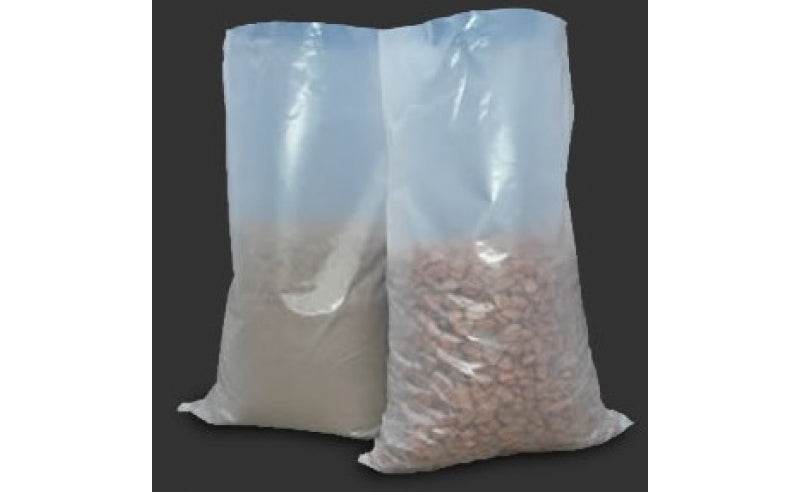
Rubble Sacks
Heavy-Duty Grey Rubble Sacks (Recycled) — Product Overview
These heavy-duty grey rubble sacks are designed for demanding clean-up and waste-handling tasks where a standard refuse sack isn’t strong enough. Made from recycled plastic, they’re built to cope with sharp edges, heavy loads and awkward waste streams commonly found on building sites, in workshops, and during renovations. The grey colour helps disguise dirt and scuffs, making them a practical choice for messy environments and frequent handling.
Rubble sacks are commonly used for collecting and transporting construction and demolition waste such as broken plasterboard, tiles, bricks, rubble, offcuts and general site debris. They’re also widely used for bulky waste, garden clear-outs, and industrial housekeeping where strength and puncture resistance matter. If you need a dependable sack that can take a beating, this recycled heavy-duty option is a solid, cost-effective staple for vans, stores and site cabins.
Key Features
Heavy-duty gauge for tough waste
A thicker, stronger film helps the sack resist tearing and splitting when filled with heavy or abrasive materials. This makes it suitable for rubble, sharp offcuts and mixed site waste where lighter sacks can fail.
Made from recycled plastic
Manufactured using recycled material, helping reduce reliance on virgin plastic while still delivering the strength expected from a rubble sack. Ideal for businesses looking to balance performance with more responsible material choices.
Practical grey colour
Grey sacks are a popular choice on building sites and in industrial settings because they don’t show dirt as easily as lighter colours. They look presentable for longer during handling and storage.
Large-capacity format
The generous sack size is designed to accommodate bulky waste and irregular shapes, helping reduce the number of sacks needed for a job and improving clean-up efficiency.
Versatile for trade and domestic use
Suitable for professional contractors, facilities teams and DIY users alike—useful for everything from renovation waste to workshop clear-outs.
- Heavy-duty recycled rubble sack for demanding waste streams
- Grey colour for practical, low-visibility dirt and scuffs
- Designed for rubble and construction waste including sharp or abrasive materials
- Useful for bulky clear-outs in gardens, garages, warehouses and workshops
- Trade-friendly option for regular site use
Typical Uses
- Construction and renovation waste collection (rubble, broken tiles, plaster, offcuts)
- Site clean-up and general housekeeping
- Workshop and warehouse waste handling
- Garden clear-outs (soil, weeds, branches and bulky green waste)
- House moves, garage clear-outs and bulky domestic waste
Grey Rubble Sacks (Recycled) — Full Product Guide
Rubble sacks are a specialist type of waste sack intended for heavier, harsher waste than everyday bin liners. They’re commonly chosen when waste is dense (so the sack becomes heavy quickly), abrasive (which can wear through thin film), or sharp (which can puncture standard sacks). This recycled heavy-duty grey rubble sack is built for those real-world conditions, helping you work faster and with fewer split bags.
How It Works
The sack is formed from a heavy-duty plastic film designed to provide improved tear resistance compared with lighter refuse sacks. When filled, the film helps distribute stress across the sack body, reducing the chance of a rip starting at a corner or along a fold. For best results, avoid overfilling and keep sharp edges away from the sides where possible—placing flatter, sharper items centrally can help reduce puncture risk.
Because rubble and mixed site waste can be unpredictable, a stronger sack can reduce downtime caused by double-bagging, spill clean-ups, or re-handling waste after a split. That means fewer interruptions and a cleaner, safer working area.
Materials and Construction
These sacks are produced using recycled plastic. Recycled-content sacks are widely used across construction and industrial environments because they offer a practical balance of strength and value. The film is designed to be robust for heavy loads and rough handling, making it suitable for frequent lifting, dragging short distances, and loading into skips or waste containers.
As with all plastic sacks, performance can vary depending on the waste type and how the sack is handled. If you regularly deal with extremely sharp materials (for example, jagged metal offcuts or broken glass), consider additional precautions such as using a rigid container, lining a builder’s tub, or limiting fill weight.
Floor Type Compatibility
Rubble sacks are typically used across a wide range of environments:
- Construction sites: concrete, screed, unfinished floors and outdoor surfaces
- Workshops and warehouses: sealed concrete, epoxy floors and loading bays
- Domestic settings: garages, driveways, patios and garden paths
When dragging sacks across rough ground, keep the distance short and avoid sharp protrusions where possible. Lifting rather than dragging will help preserve the sack and reduce the chance of abrasion damage.
Health and Safety
Handling heavy waste always carries risk. A strong sack helps, but safe working practices matter just as much:
- Do not overfill: rubble becomes heavy quickly. Fill to a manageable weight for safe lifting.
- Use correct lifting technique: bend knees, keep the load close, and avoid twisting.
- Wear appropriate PPE: gloves are recommended, especially with sharp or abrasive waste.
- Segregate hazardous waste: follow local regulations for materials such as asbestos, chemicals, or contaminated waste.
- Prevent trip hazards: keep filled sacks stacked neatly and away from walkways.
If sacks are used in public or shared areas, consider labelling or segregating waste types to support safe disposal and recycling processes.
Ideal Applications and Use Cases
Builders and contractors
Ideal for day-to-day site waste: broken plaster, tile fragments, rubble, packaging waste, and general debris. A heavy-duty sack can reduce the need for double-bagging and help keep the site tidy.
Facilities and maintenance teams
Useful for planned maintenance, strip-outs, and periodic clear-outs where waste is bulky or heavy. Grey sacks are a practical choice for back-of-house areas and service corridors.
Landscaping and gardening
Suitable for collecting weeds, soil, turf offcuts and general garden waste. For very wet or heavy loads, fill to a safe lifting weight and consider using a wheelbarrow or garden trolley.
DIY and home renovation
Perfect for clearing out lofts, garages and sheds, or managing waste during decorating and renovation projects. The heavy-duty film helps cope with awkward shapes and rough debris.
Maintenance, Cleaning and Care
Rubble sacks are typically single-use items intended for waste collection and disposal. However, you can improve performance and reduce waste by using them thoughtfully:
- Store in a dry place away from direct sunlight and heat sources to help maintain film integrity.
- Avoid sharp edges pressing against the sides—place sharp items centrally where possible.
- Don’t overload; use multiple sacks for dense rubble rather than one overfilled sack.
- Keep sacks upright when filling to reduce stress on seams and corners.
If you need a reusable solution for repeated transport of rubble, consider pairing sacks with a builder’s tub or a rigid container to reduce abrasion and puncture risk.
Case Study (Typical Scenario)
Small renovation clean-up
A contractor completing a bathroom refit needs to remove broken tiles, old plaster and packaging waste. Standard refuse sacks split when loaded with tile fragments, causing spills and extra clean-up time. Switching to heavy-duty rubble sacks helps contain sharp debris more reliably, reduces double-bagging, and keeps the work area safer and tidier. Filled sacks are kept to a manageable weight and moved to the skip in fewer trips.
Who Is It For?
- Builders, contractors and tradespeople needing dependable site waste sacks
- Facilities teams managing maintenance waste and clear-outs
- Landscapers and gardeners handling bulky or heavy garden waste
- DIY users tackling renovations, decluttering and home projects
- Warehouses and workshops needing strong sacks for general housekeeping
Colours / Features Available
This listing is for grey rubble sacks. Grey is a popular, practical colour choice for construction and industrial environments because it hides dirt and scuffs well. If you require colour-coding for waste segregation, check your site’s waste policy and consider using labelled areas or separate containers to support correct disposal.
Sizes Available
This product page may represent multiple options within the same rubble sack range. Select the required option from the available variants on the page. If you’re ordering for regular site use, consider standardising on one size/gauge across your team to simplify stock control and reduce the risk of using an under-spec sack for heavy waste.
Need help choosing?
If you’re unsure which rubble sack is best for your waste type, consider the typical load (light bulky vs dense rubble), the presence of sharp edges, and how the sacks will be handled (carried vs dragged). Choosing the right strength can reduce splits, improve safety, and speed up clean-up.