

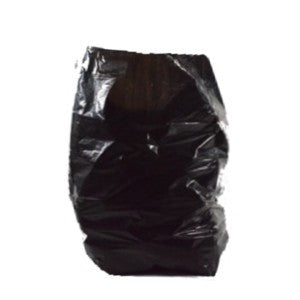
H.T. Sacks
18x24 T3 H.T. Sacks — Overview
These H.T. sacks are a practical, high-volume packaging option for businesses that need a dependable sack-style bag for everyday handling, storage and distribution. Supplied in bulk packs, they’re designed to support efficient packing workflows where speed, consistency and straightforward handling matter.
On Sapphire this product is listed as “18x24 - T3 H.T Sacks” within Bags / Sacks / H.T. Sacks, and is supplied in a pack of 1000 (SKU shown on the product listing: 09HT3-1000).
Key Features
Bulk supply for busy operations
Supplied in high-count packs to help reduce re-order frequency and keep packing stations stocked.
Sack-style format for versatile packing
A simple, familiar sack/bag format that suits a wide range of packing and containment tasks across retail, warehouse and light industrial environments.
Consistent sizing for repeatable processes
A defined sack size helps standardise packing routines, storage planning and outer carton selection.
Simple to integrate into existing workflows
Designed to be easy to pick, open and fill—ideal where teams need a straightforward bag solution without complex setup.
- Product name: 18x24 - T3 H.T Sacks
- Category: Bags / Sacks / H.T. Sacks
- Pack size option shown: Pack of 1000
- SKU shown: 09HT3-1000
Typical Uses
- General-purpose packing and containment
- Warehouse picking/packing support
- Stock holding and internal transfers
- Back-of-house organisation and storage
18x24 T3 H.T. Sacks — Full Product Guide
Choosing the right sack is often about balancing practicality with consistency: you want a bag that fits your product range, supports your packing speed, and works with how your team stores and moves goods. This guide explains how H.T. sacks like this listing are typically used, what to consider when selecting them, and how to get the best day-to-day performance from bulk-packed sacks.
How It Works
H.T. sacks are used as a straightforward “open, fill, and close” packaging format. In most operations they’re kept at a packing bench or dispatch area, opened by hand, filled with items, and then closed using the method that best suits the workflow (for example, tying, taping, or using a closure method appropriate to your process). Because they’re supplied in bulk, they’re well suited to repeat tasks where teams need to work quickly and consistently.
For best results, match the sack size to the typical volume of goods you pack. A sack that’s too small slows packing and increases the risk of damage; a sack that’s too large can waste space and make handling less tidy.
Materials and Construction
This product is listed by Sapphire as an H.T. Sack (category: Bags / Sacks / H.T. Sacks). The product listing itself does not specify the exact polymer, thickness, or construction details, so those should be confirmed if you need a particular material specification for compliance or performance reasons.
If you’re comparing sacks across suppliers, the most useful construction details to check are:
- Material type (e.g., whether it’s a particular plastic grade)
- Gauge/thickness (often the biggest driver of puncture resistance and “feel”)
- Seam type (how the base and sides are formed and sealed)
- Clarity/finish (clear, tinted, or opaque depending on stock visibility needs)
If you’d like, share what you’re packing and how you close the sacks, and we can outline the most relevant spec checks to request.
Floor Type Compatibility
Because these sacks are typically handled at benches, racking areas, and dispatch points, “floor compatibility” is usually about how the sacks behave in your environment rather than the floor surface itself. In busy warehouses, consider:
- Handling conditions: Are sacks dragged, slid, or carried long distances?
- Contact risks: Are there sharp pallet edges, staples, or rough timber that could snag?
- Storage method: Are sacks stored in cartons, on shelves, or at open workstations?
Where snagging is a concern, it’s worth validating the sack’s robustness against your typical handling conditions.
Health and Safety
As with any bag or sack used in a workplace, safe handling practices help reduce avoidable issues:
- Manual handling: Avoid overfilling; keep loads manageable and consistent.
- Trip hazards: Keep loose sacks and offcuts away from walkways.
- Storage: Store packs neatly to prevent slips and to keep packing areas organised.
If you require food-contact suitability, chemical resistance, or other regulated performance, confirm the relevant certification/specification before use (the current listing text does not state these details).
Ideal Applications and Use Cases
H.T. sacks are commonly chosen where a simple, flexible bag format is preferred over rigid packaging. They can be a good fit for:
- Warehousing and distribution: General packing, consolidation, and internal transfers
- Retail and back-of-house: Stock organisation and storage support
- Light industrial: Containment and protection during handling
The key is to align the sack size and strength with the weight, shape, and surface characteristics of what you’re packing.
Maintenance, Cleaning and Care
These sacks are typically treated as a consumable packaging item. To keep performance consistent:
- Keep packs clean and dry in storage to avoid contamination and to maintain easy opening.
- Rotate stock so older packs are used first, especially in environments with heat or direct sunlight.
- Train packers on a consistent fill level and closure method to reduce waste and rework.
Case Study (Typical Workflow Example)
Scenario: A small distribution team needs a reliable sack for consolidating picked items before dispatch.
Approach: Packs of sacks are staged at each packing bench. Staff open a sack, place picked items inside, and close it using their standard method. Because the sacks are supplied in bulk, the team reduces interruptions caused by frequent replenishment.
Outcome: A more consistent packing rhythm, fewer stock-outs at benches, and simpler inventory planning for consumables.
Note: This is a general example of how sack-style packaging is often used; it is not a claim about a specific customer outcome.
Who is it for?
- Businesses that pack and move goods daily and want a straightforward sack format
- Warehouses and stockrooms that benefit from bulk-packed consumables
- Teams looking to standardise packing around a consistent sack size
Colours / Features Available
The current product listing does not specify colour options or special features (such as printed branding, tinted film, or closure features). If you need a particular colour or feature set, it’s best to confirm what variants are available for this product family.
Sizes Available
This listing is for the 18x24 size (as shown in the product title). Sapphire product pages can represent multiple variants; if additional sizes or bespoke/cut-length options exist for this range, they are not stated in the visible listing text captured here, so please check the variant selector on the product page or contact the team for the full range.
Need help choosing?
If you tell us what you’re packing (item type, approximate weight/shape, and how you close the sack), we can help you confirm whether this sack format is the best fit and what specification details to validate.